THE HISTORY OF SILVER AND GOLD MINING IN EL TRIUNFO
John Anderson, Editor
Driving toward El Triunfo, there are signs on the highway announcing “La Ruta de Plata” – The Silver Route. From the 1500s, it has been known that there was silver in the hills around El Triunfo. While the first mine was opened in the 1700s, it was not until 1862 that gold and silver were discovered in El Trunifo. From that time until 1920, El Triunfo was the most populace town in Baja California Sur and the capital. There were over 10,000 miners in the region. Evidence of the mining is still apparent with the smokestacks (La Ramona and La Julia) that were part of the mill and smelting operations of the mining companies still towering over El Triunfo. When the price of silver dropped and the mining operations were no longer viable, El Triunfo became a virtual ghost town. Driving down from Colorado inthe early 1990s, the town looked abandoned, buildings were in disrepair and there were virtually no services available – restaurants, accommodation and shops. Over the past 10 years, entrepreneurs like Jose Castellanos have worked hard to bring the town back to life.
The history of mining in El Triunfo is now available at Museo de Ruta Plata. This museum offers visitors not only displays and exhibits of mining equipment, minerals and artifacts, and the history of mining in the town but a full Interactive Experience with access to digital archives, an orientation film, oral histories, digital scrapbooks, and the opportunity to explore a digital mine.
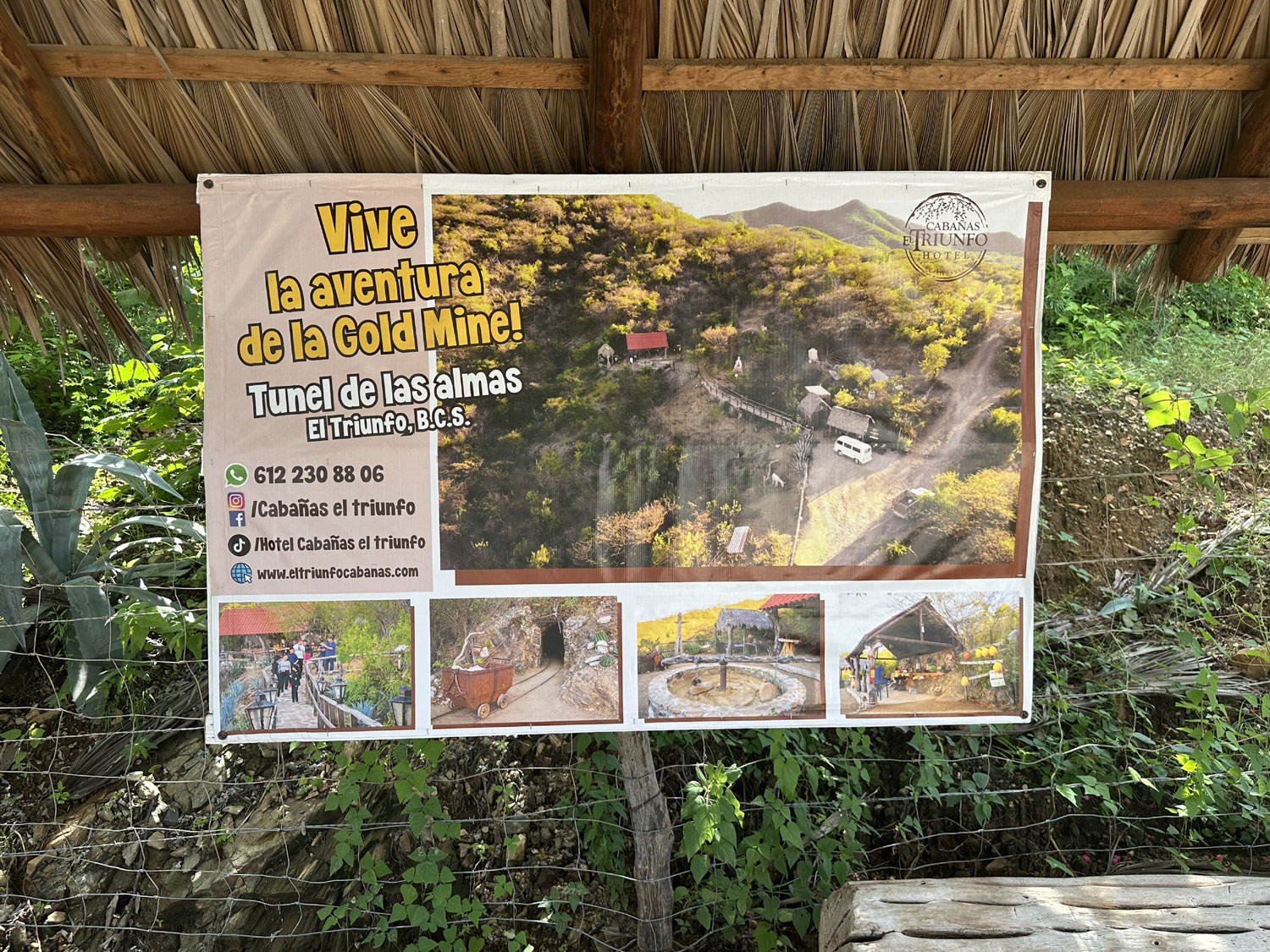
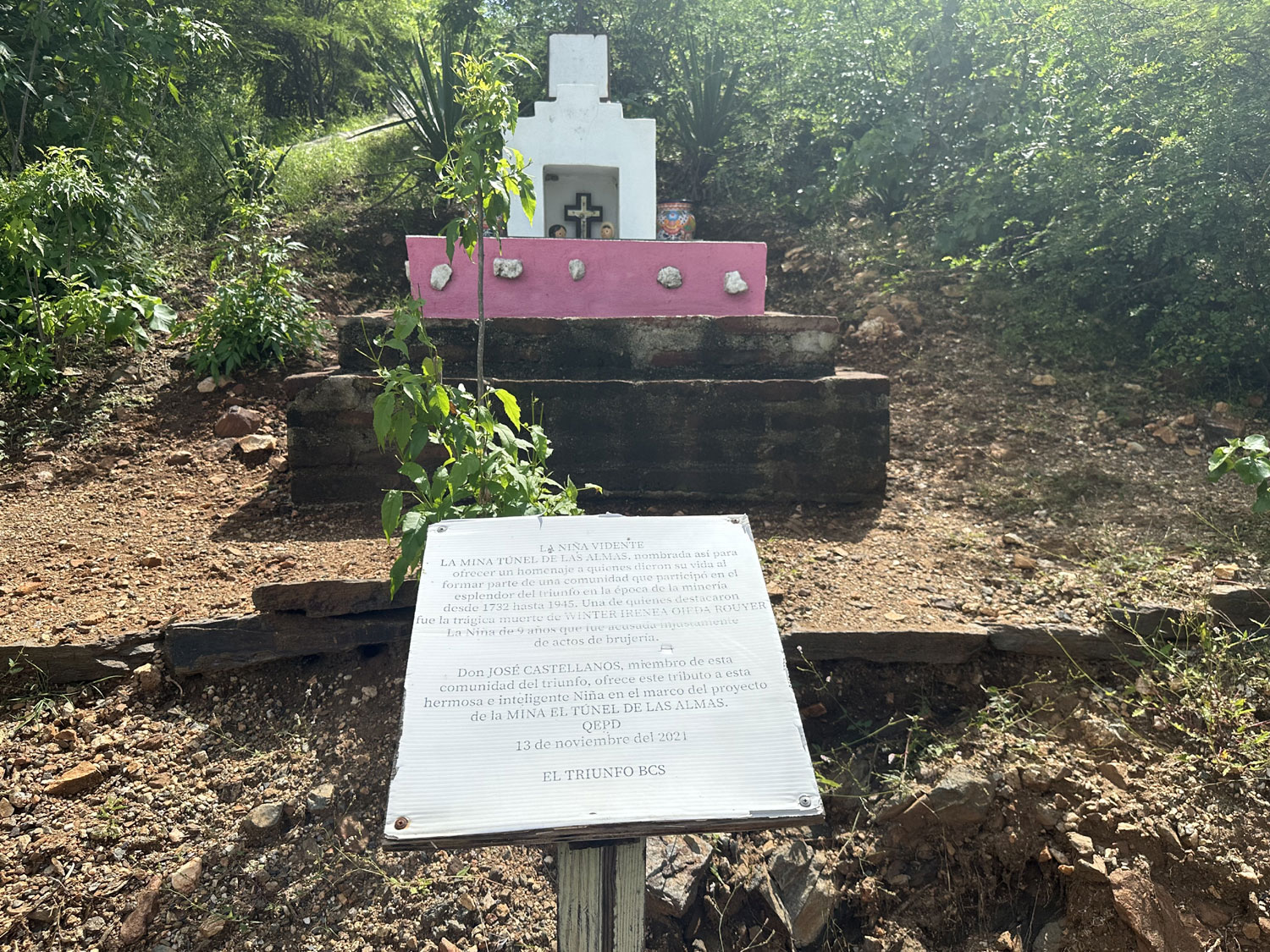
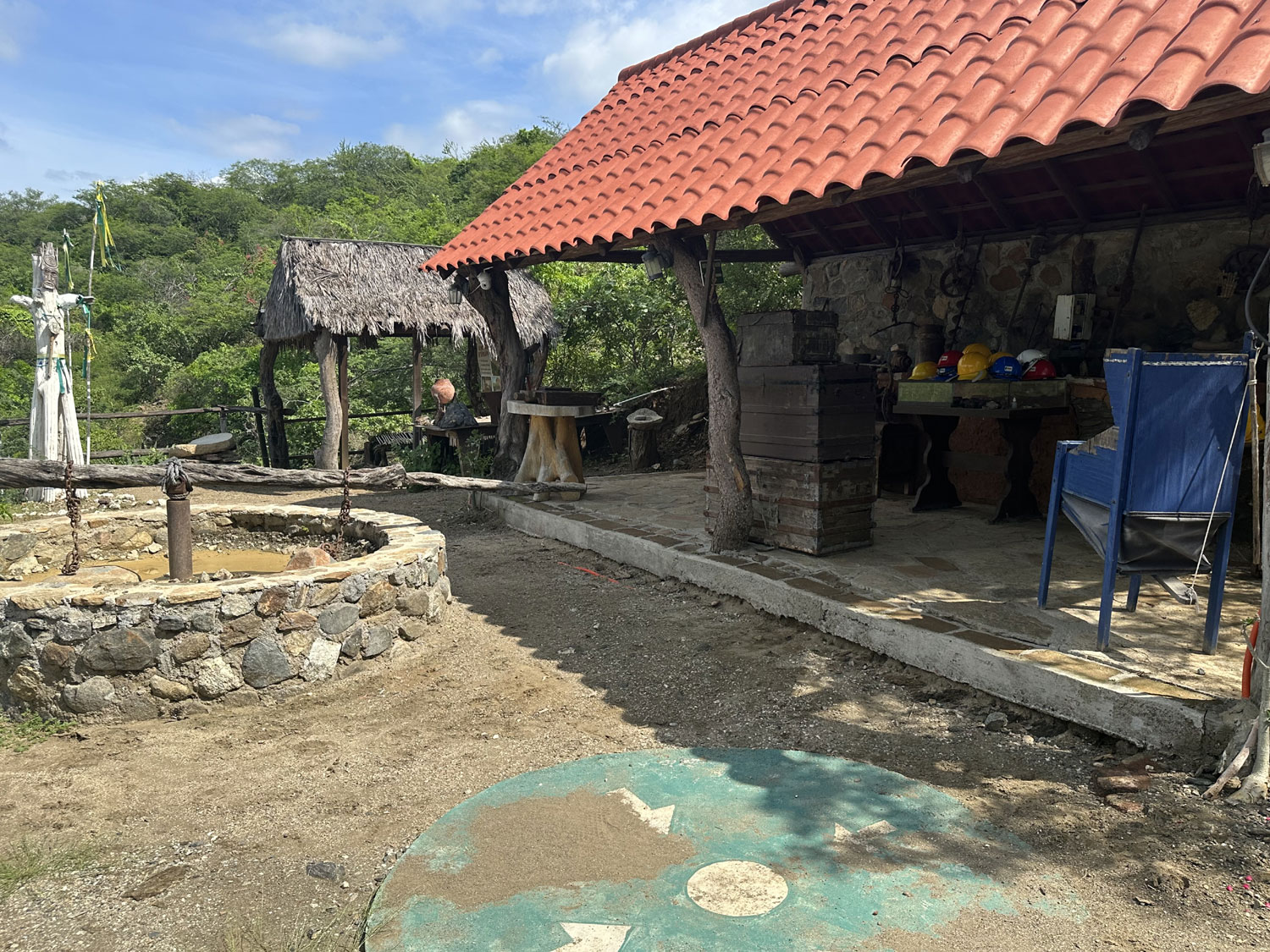
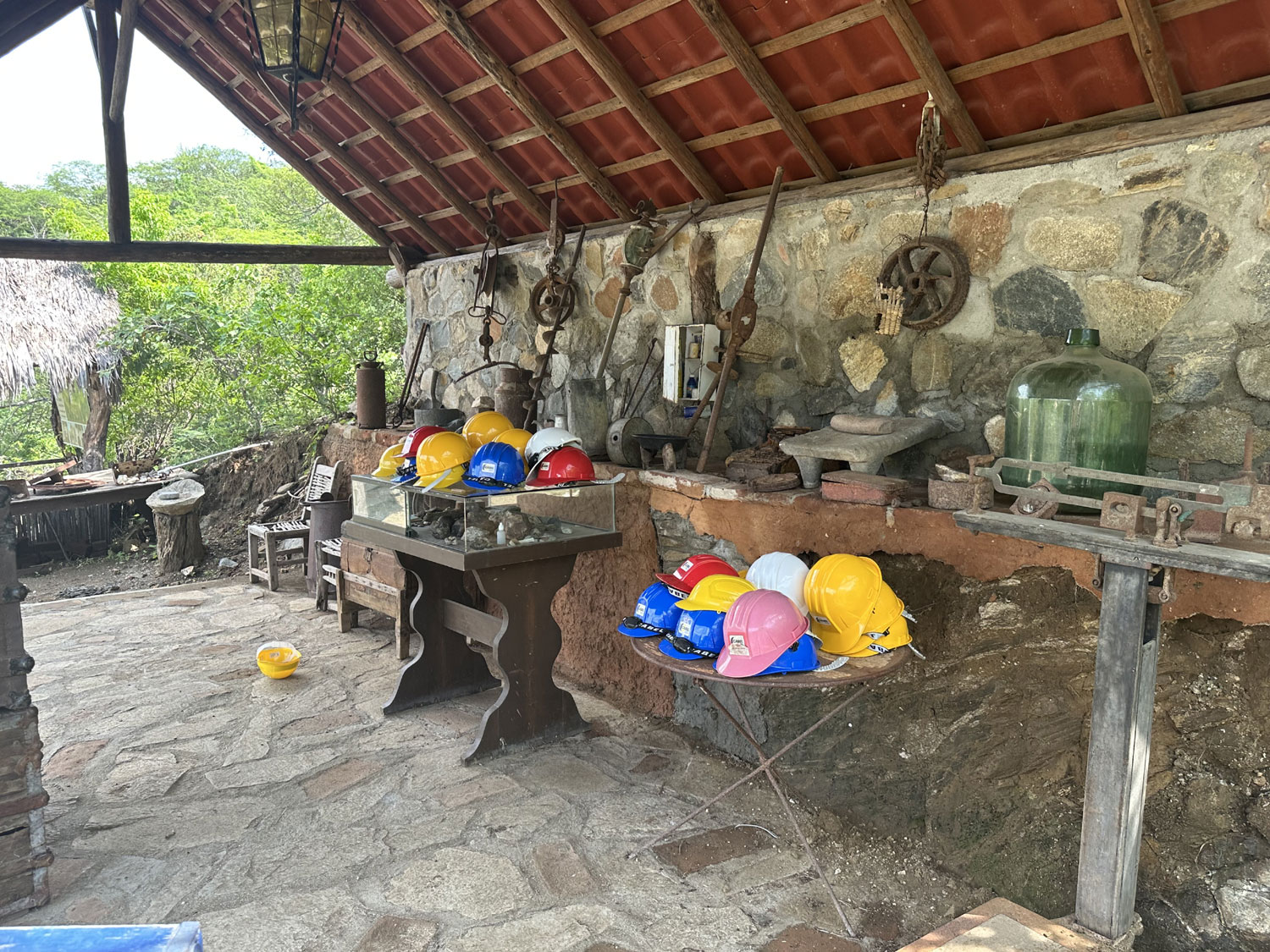
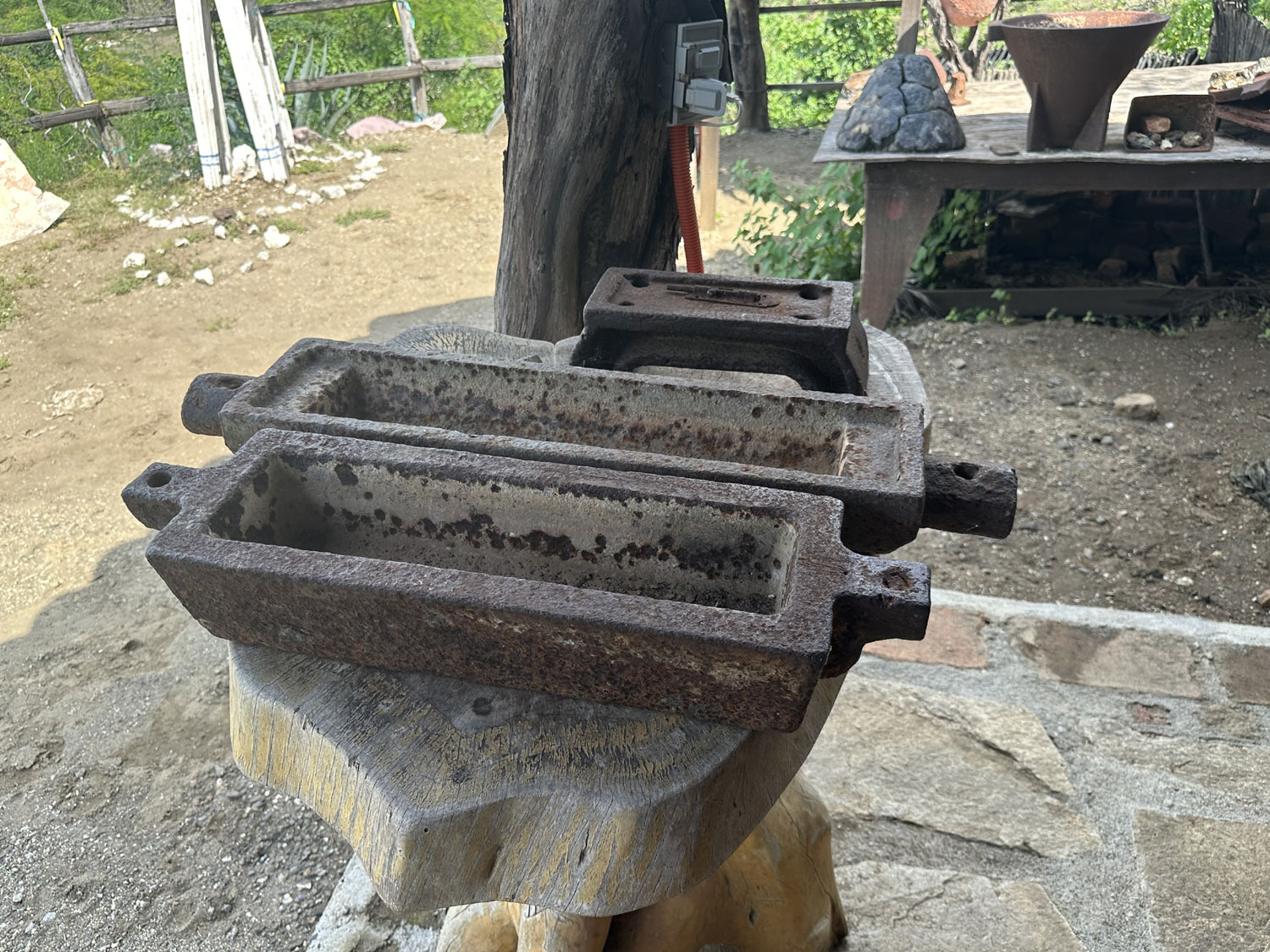
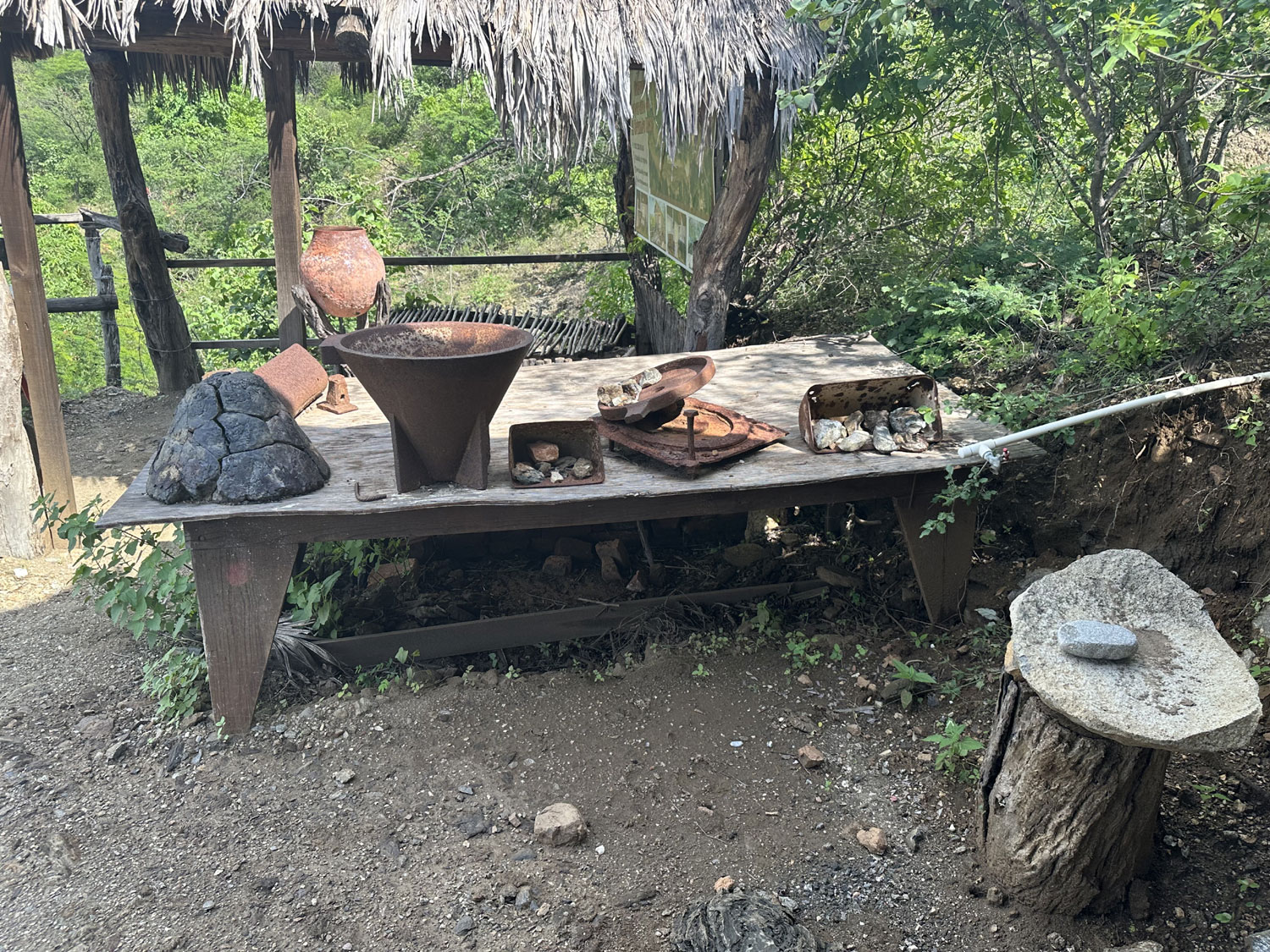
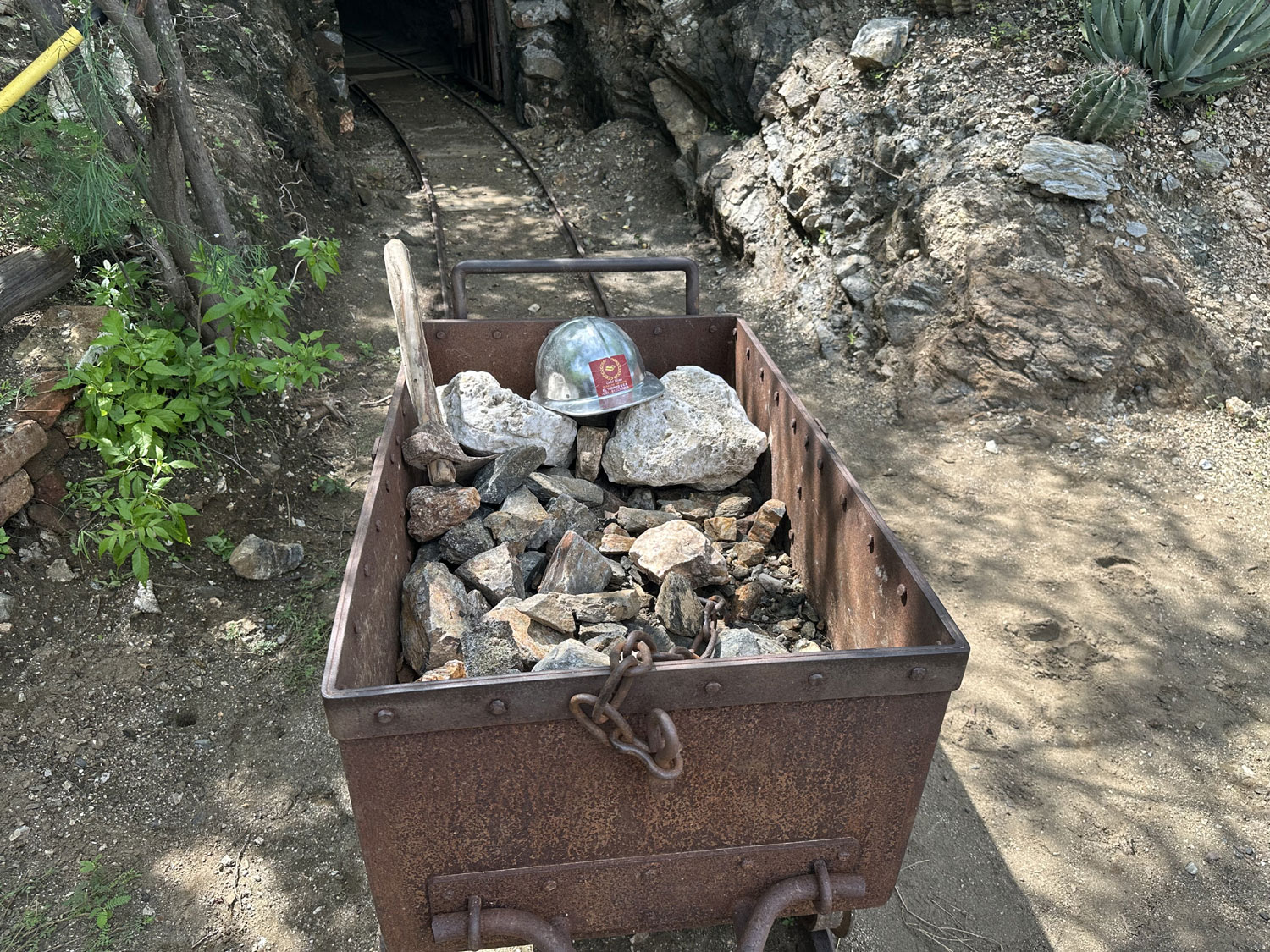
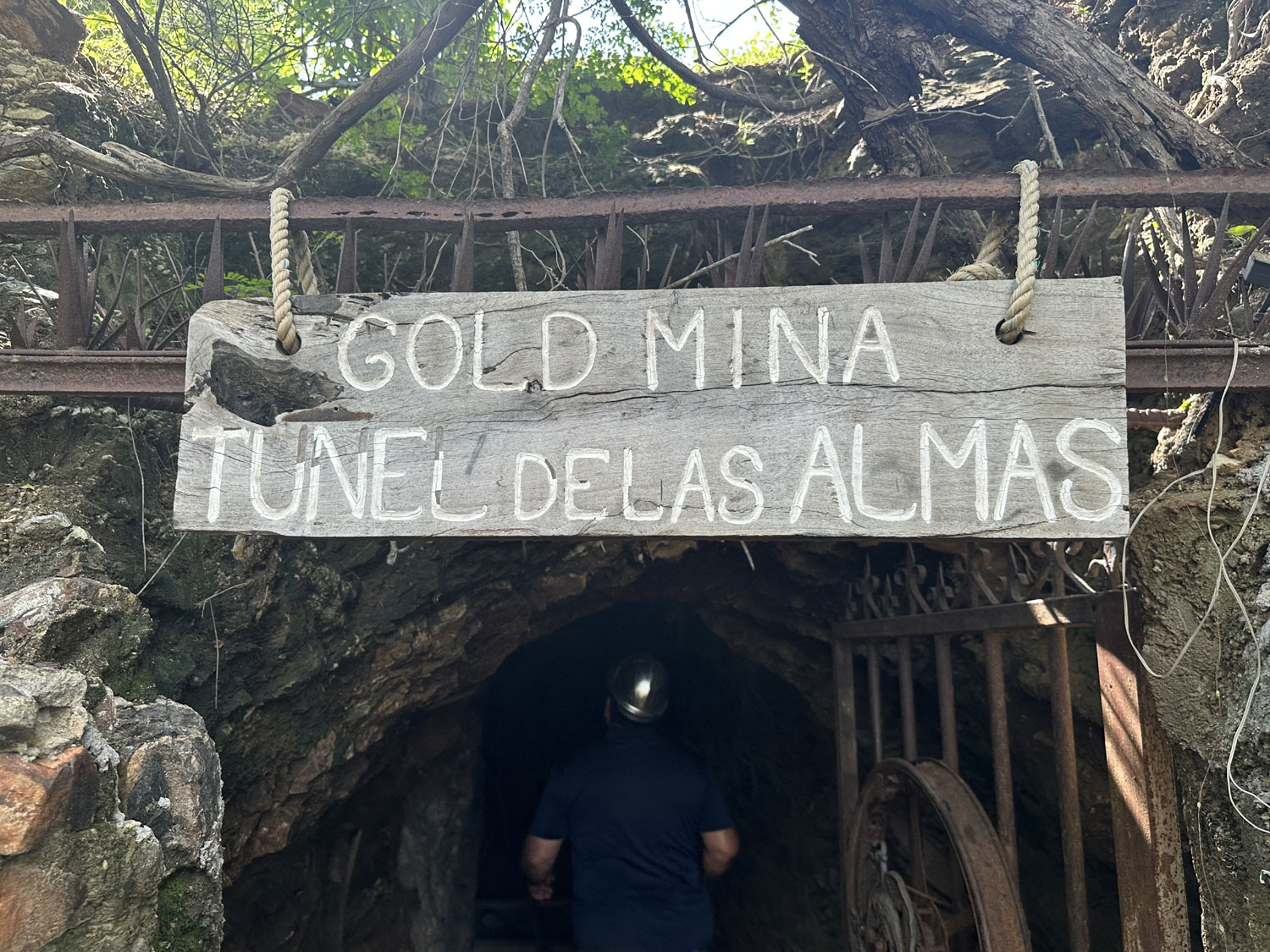
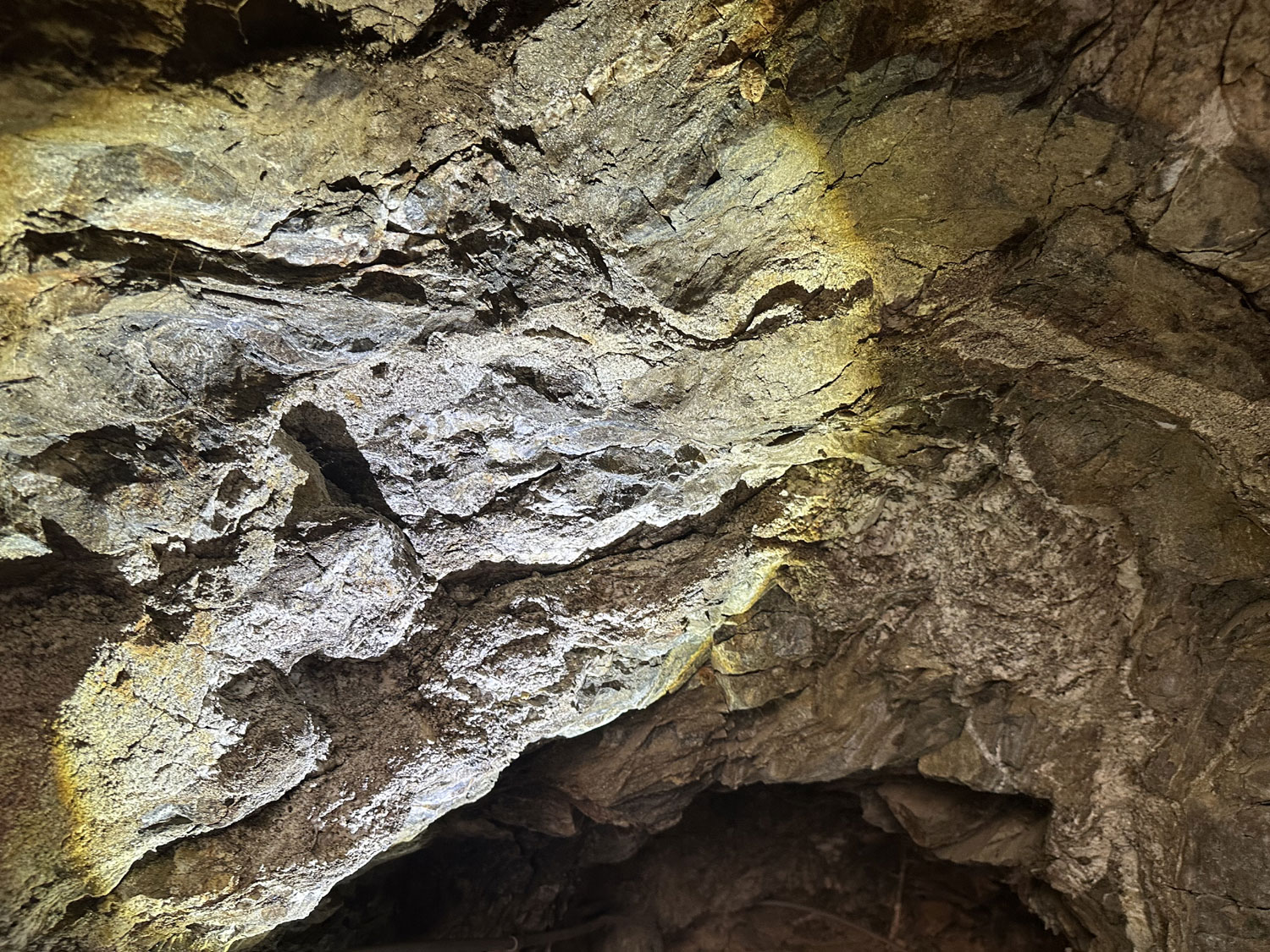
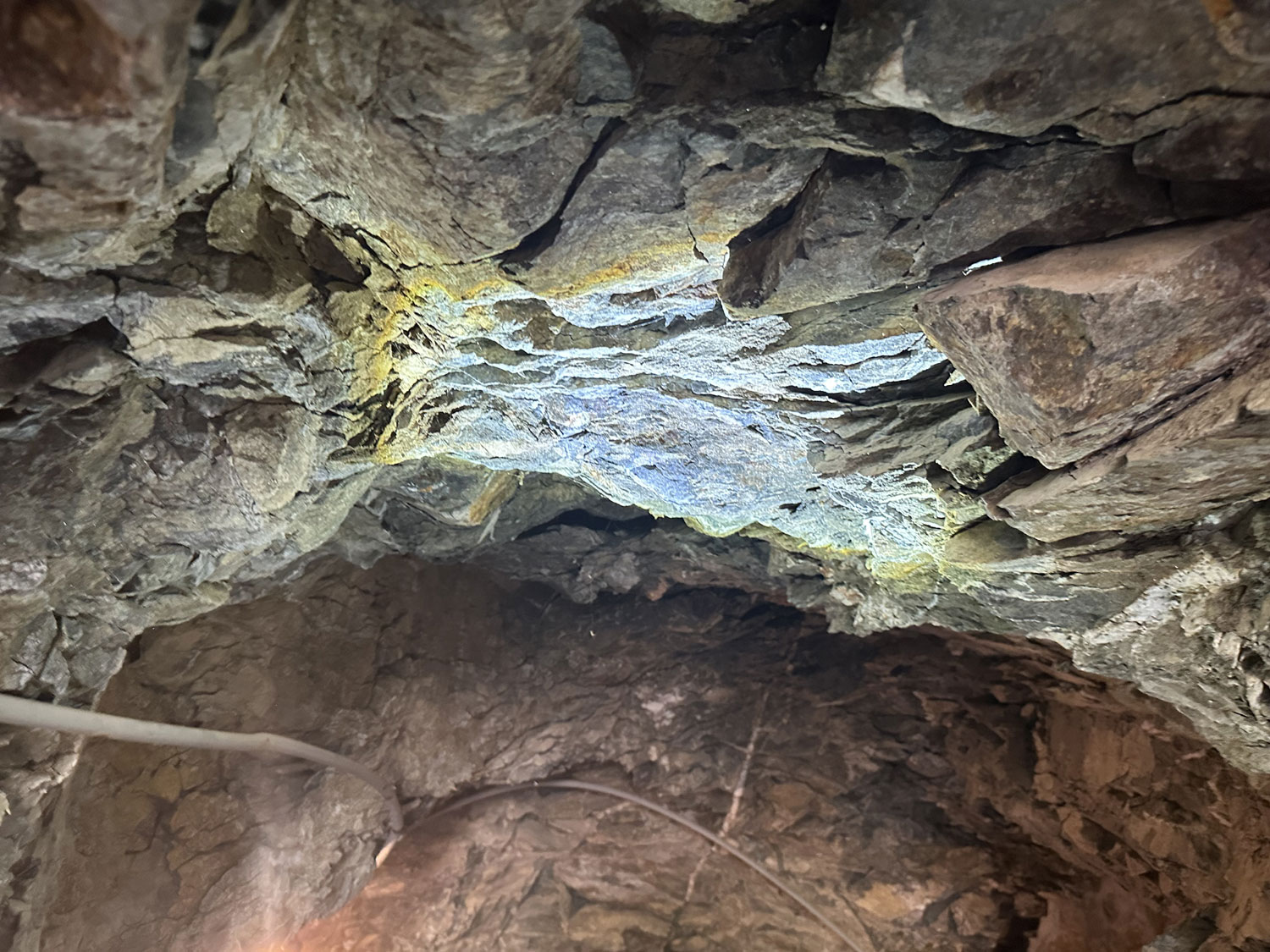
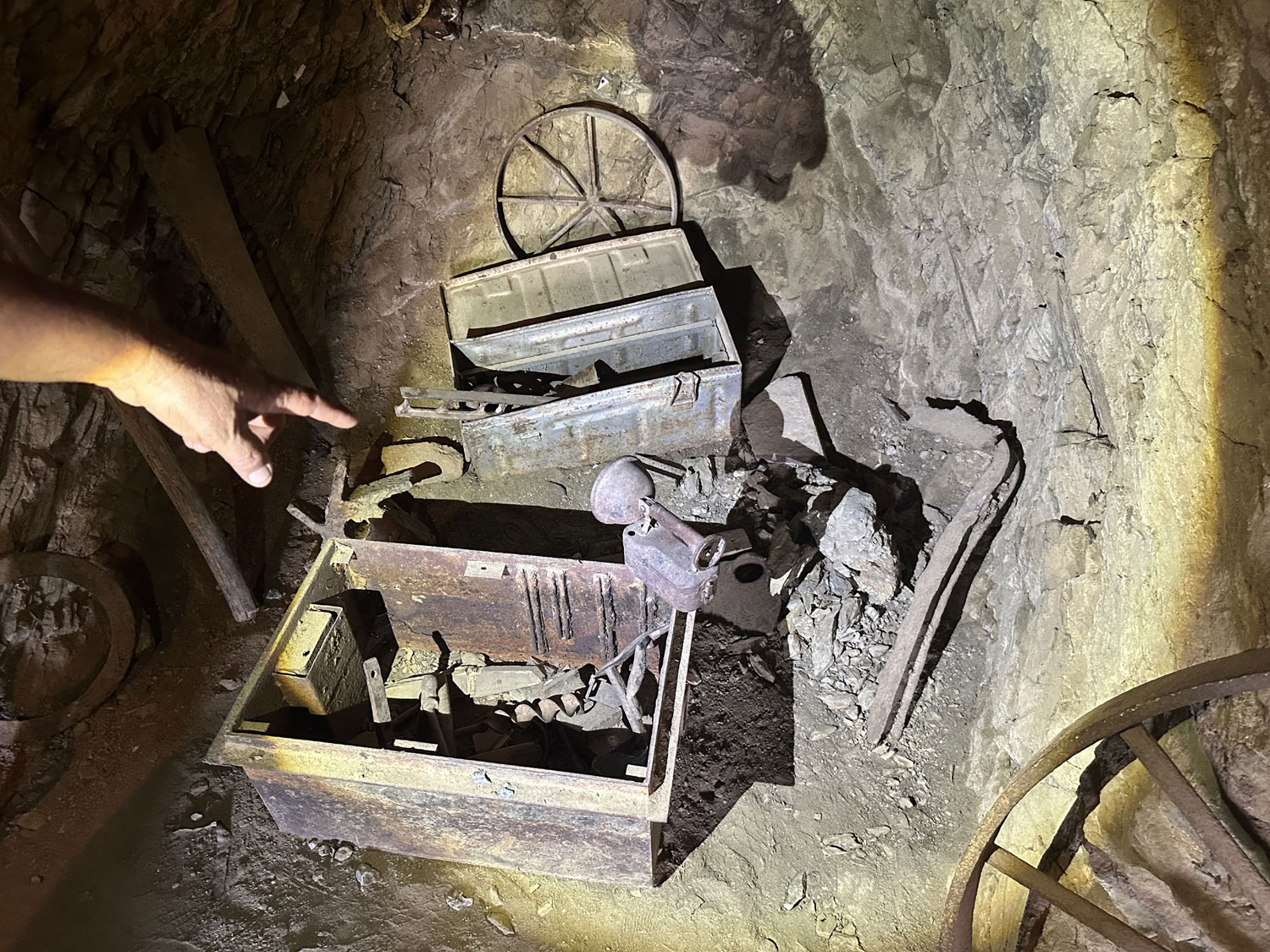
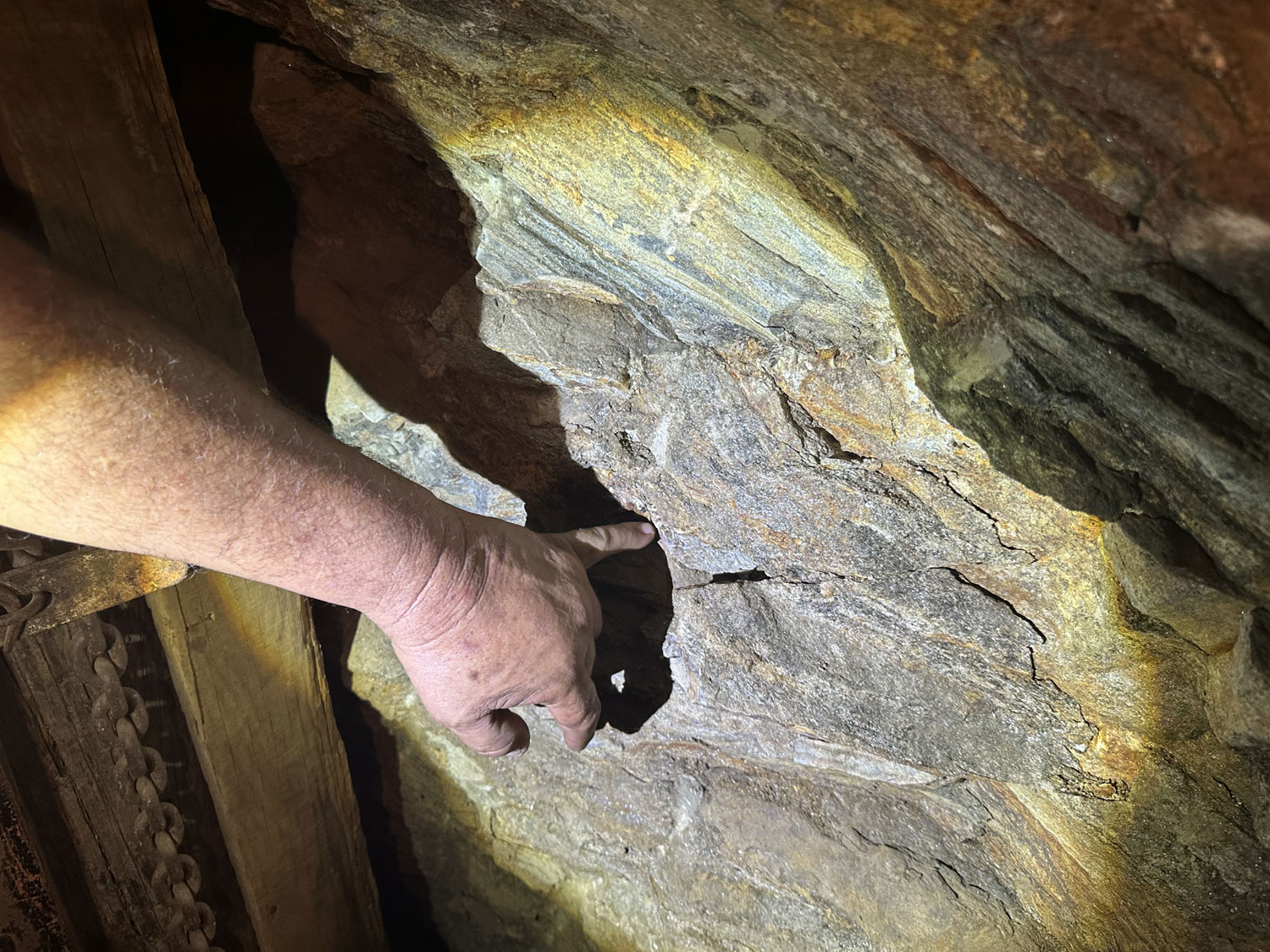
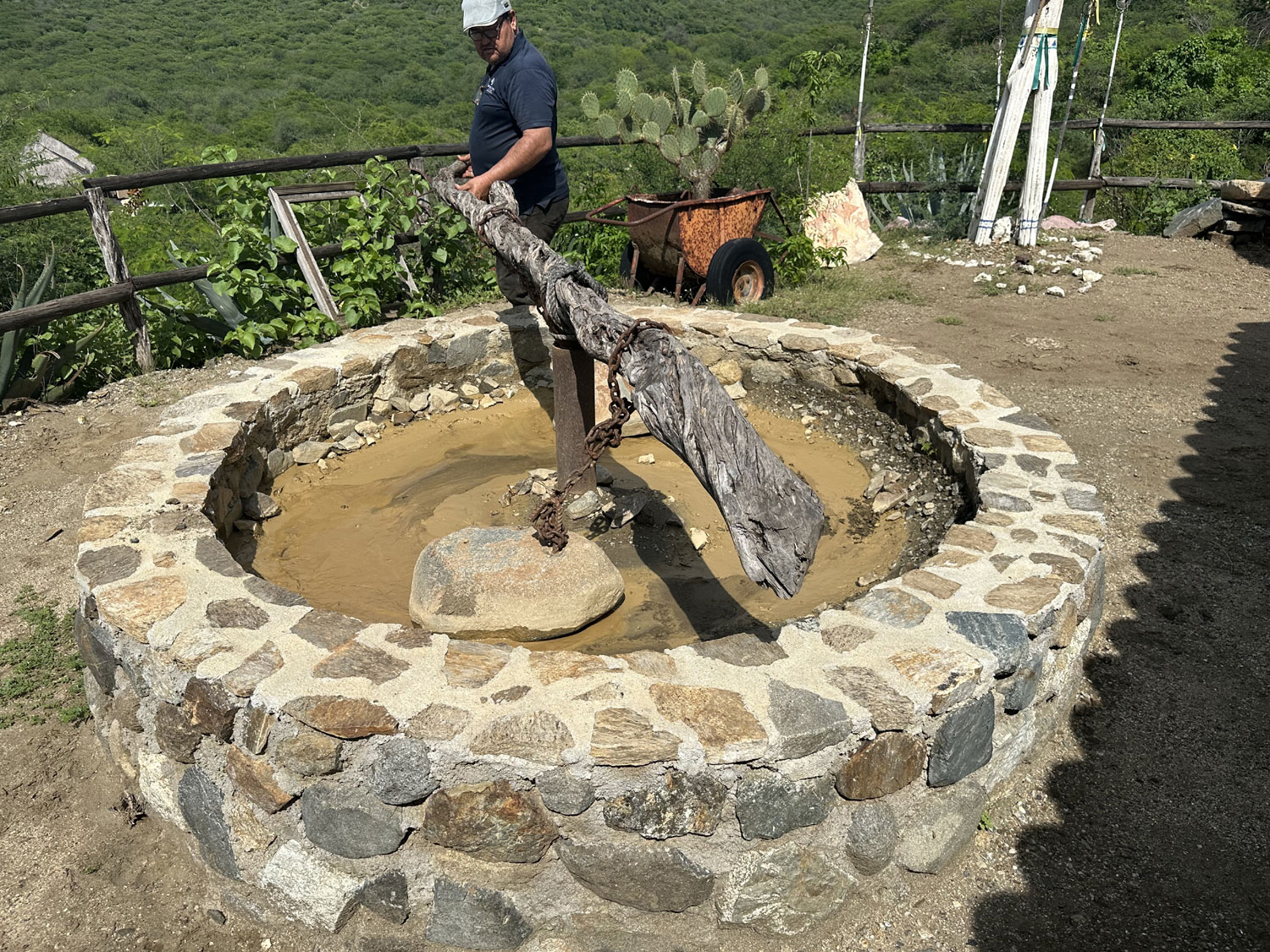
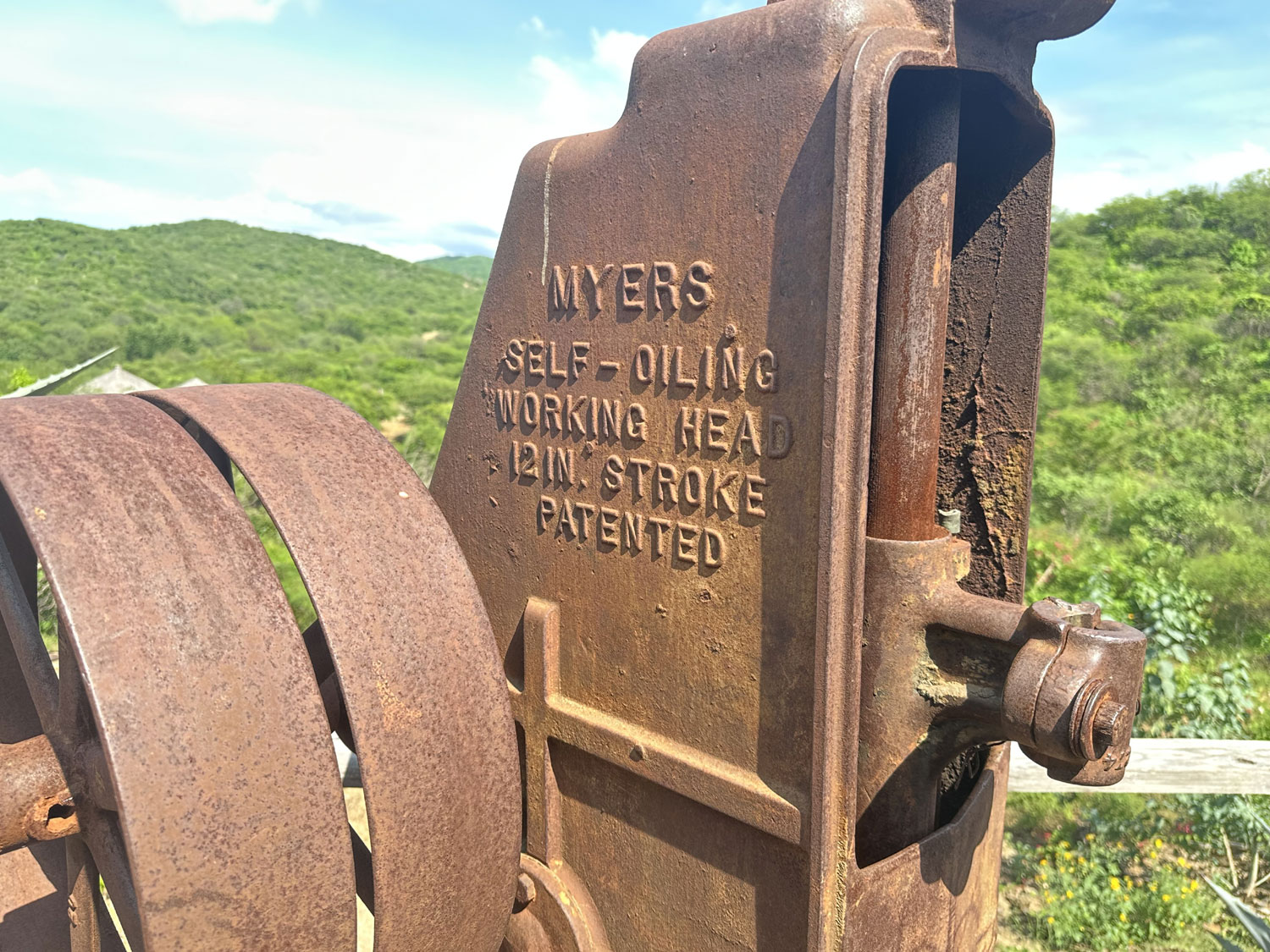
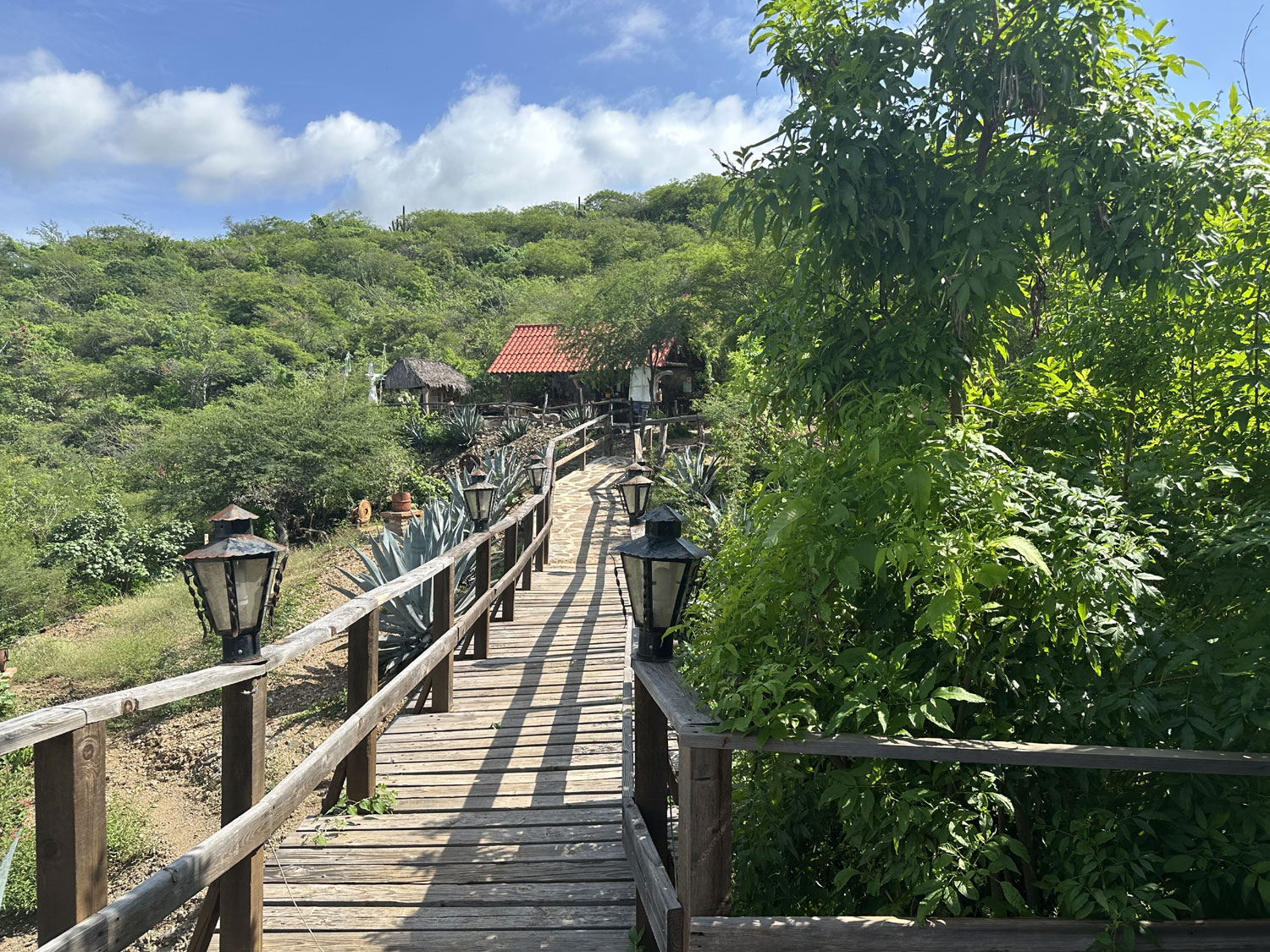
But if you would like to visit an actual gold mine, you can visit Gold Mina, Tunel de las Almas in the hills on the south side of El Triunfo. Walking across a long-wooden bridge to the mine entrance, below there is a display of old equipment parts from the mining operations. In front of the actual entrance to the mine with a cart on the tracks, are displays of the type of bed where the miners would rest for a short time before going back to work after finish the first nine hours of the shift. There is an example of the mill that was used by hand to remove the gold from the dirt and rock in which it was embedded and the molds that held the gold to be smelted. Juan, the tour guide took me into the mine with a bright flashlight. He pointed out the seams of quartz the ran through the walls of the tunnel, showed me the difference between shiny fool’s gold and actual gold in the walls. Part way down the tunnel on the right was a locked room with a display of actual gold and gold bars that were from the mine. Further down the mine shaft was another locked room with the bucket to lower workers down 22 meters to get to the shafts at the lower level of the mine.
The tour was very interesting and Juan mentioned that the early Spaniards had told Madrid about the silver but kept the fact that there was gold to themselves.