We first visited Los Cabos in late 1990 and bought our pre-sale condo in El Conquistador, moving in 1991. Over those 35 years we have seen a tremendous amount of change in the region. I am always surprised when stories that I have written for Enjoy Los Cabos Life result in long rants about how the region is “going to hell” as a result of the change. The latest example can be seen in the comments on the recent story about the new Luxury Mall, Anima Village in Cabo del Soland the condos in the hotel zone in San Jose del Cabo. Many were rude and suggested that just because there were high-end products and restaurants being built that the corridor had been ruined, going so far as to suggest the view of the Sea of Cortez was blocked. The same thing was true every time that I would write about the changes in the area around Todos Santos. So many people want Baja to be the sleepy villages, inexpensive restaurants, and uncrowded beaches that existed three decades ago.
However, change is inevitable and it is worth pointing out some of the positive consequences that the change has done over 35 years.
ROADS AND BRIDGES. In those early days, all of the roads were two lane and none of the bridges over arroyos existed. The result was that during the rainy season, whether you were going to the East Cape or to Cabo San Lucas across the El Tule arroyo, there was a good chance that the road was washed out and you would either have to enter the arroyos and drive through running water or turn around and go home. This was also true in coming from the airport to San Jose del Cabo at the biggest arroyo. Not everyone had a 4-wheel drive vehicle in those early days. Today, the bridges over all of the major arroyos (with the exception of the one entering Cabo San Lucas) make it easier to travel even during hurricane season. Yes, it is a desert and so lots of dirt still flows onto the roads causing backups and lots of clean up after a storm. We had to drive the coast road from La Playita to Zacatitos. There were no paved roads and when they put in the first one, the quality was so bad that the potholes after the rain and the water trucks were as bad as the dirt road on the beach.
JOBS AND OPPORTUNITIES FOR LOCAL PEOPLE. Very few jobs were available for locals, other than in the limited number of restaurants, and as cleaners and gardeners. The wages were not high enough for people to afford anywhere nice to live, even with the government programs for homestead land. Certainly, there were not many thriving local businesses serving locals and other residents of Los Cabos. Today, there is a vibrant base of local entrepreneurs that have created businesses ranging from automotive to construction to maintenance to restaurants and catering to outdoor activities. While the locals may complain about the traffic, they are not complaining about the work and opportunities available.
SHOPPING FOR FOOD AND HOUSEHOLD PRODUCTS. In those early days, it was necessary to search out small local stores or bodegas for fruit and vegetables, meats, fish, groceries and hardware items. When we were building our house on the beach in Zacatitos, I had to fly down every month with products that the builder was unable to get in BCS (not even La Paz). I even flew down with a cast-iron kitchen sink. The only hardware supplier was Castro on the highway halfway from the airport to San Jose del Cabo, and the choices and quality were limited. Aramburo was the only grocery store with a wide choice – one in San Jose del Cabo and one in Cabo San Lucas. The selection of imported products was limited and the prices were very high. Appliance choices were limited and once again, not necessarily of the best quality. Well, this has changed dramatically (some will say too much). Now, you can get groceries and household items at La Comer, Chedraui, Fresko, Soriana, Ley, Walmart, Costco and lots of specialty shops for different types of products. There are lots of locations and products and prices are targeted to the local market in which they have opened. The availability of fresh produce has increased with the demand with truck farms in Pescadero and other parts of the BCS.
RESTAURANTS. In those earlier times, the number of restaurants and the variety were limited. If you liked Mexican food, there were lots of small places to go. In San Jose del Cabo, we went for every holiday with the kids to Tropicana – it was great (and is not as good now as it was then). My daughters still miss the Rusty Putter restaurant and miniature golf course where the plaza in now behind La Comer. Driving to the airport, Rigo’s was all alone on the highway beside Lizarraga, where we got our fruits and vegetables (when they had them). And we miss Buzzard’s.
But Los Cabos has become a Foodie’s Paradise. There are now more choices of different types of food, atmosphere and prices than many large cities have. And, the food is healthier than in most restaurants in the United States and Canada, because it is mostly organic and grown locally. Lots of people complain that it has become much to expensive that it was back then. Of course, it has. Inflation and supply chain problems after COVID affected prices everywhere. But, if you get away from the hotel zones, there are still lots of places to have a great meal and experience at a very reasonable cost. Just review my column in the Gringo Gazette, Restaurants That Don’t Break the Bank that covers a restaurant in San Jose del Cabo, Cabo San Lucas and the Todos Santos area in each column. There are lots of fine dining expensive restaurants in hotels and on the beaches – but you probably would go to those at home either, if you are complaining about the prices.
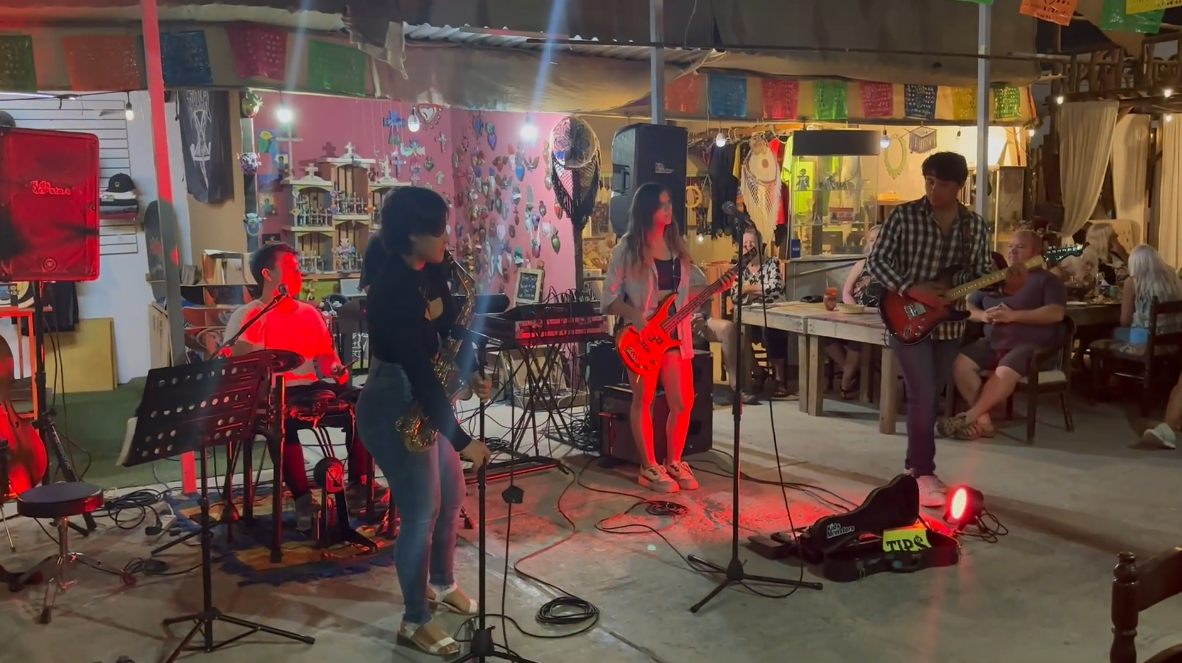
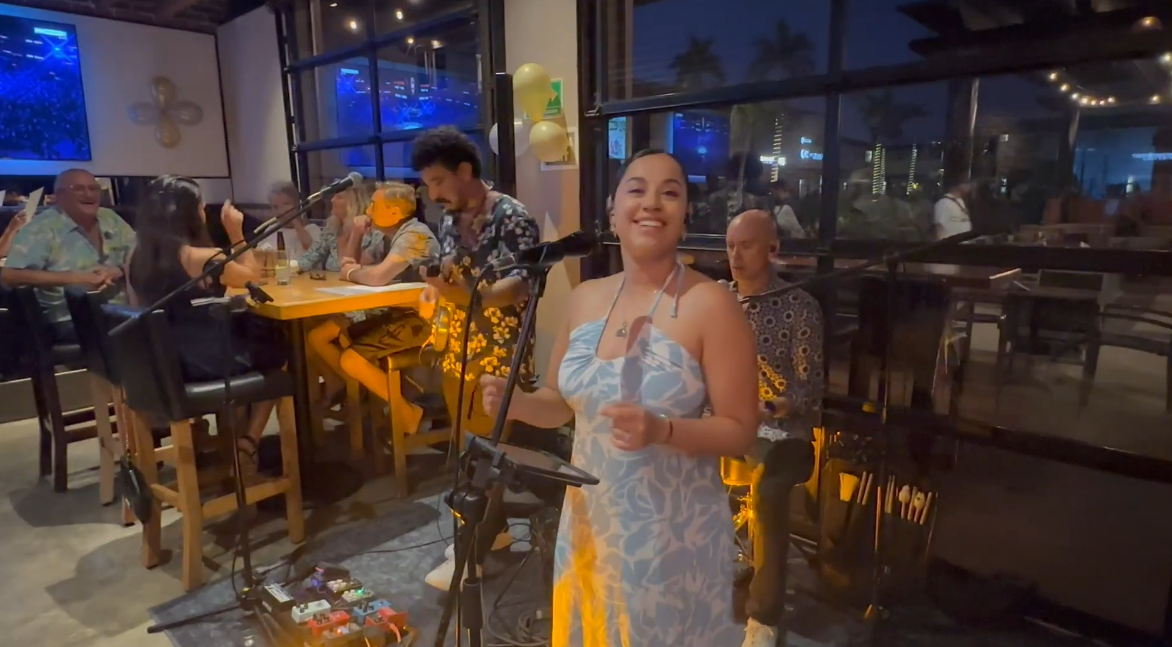
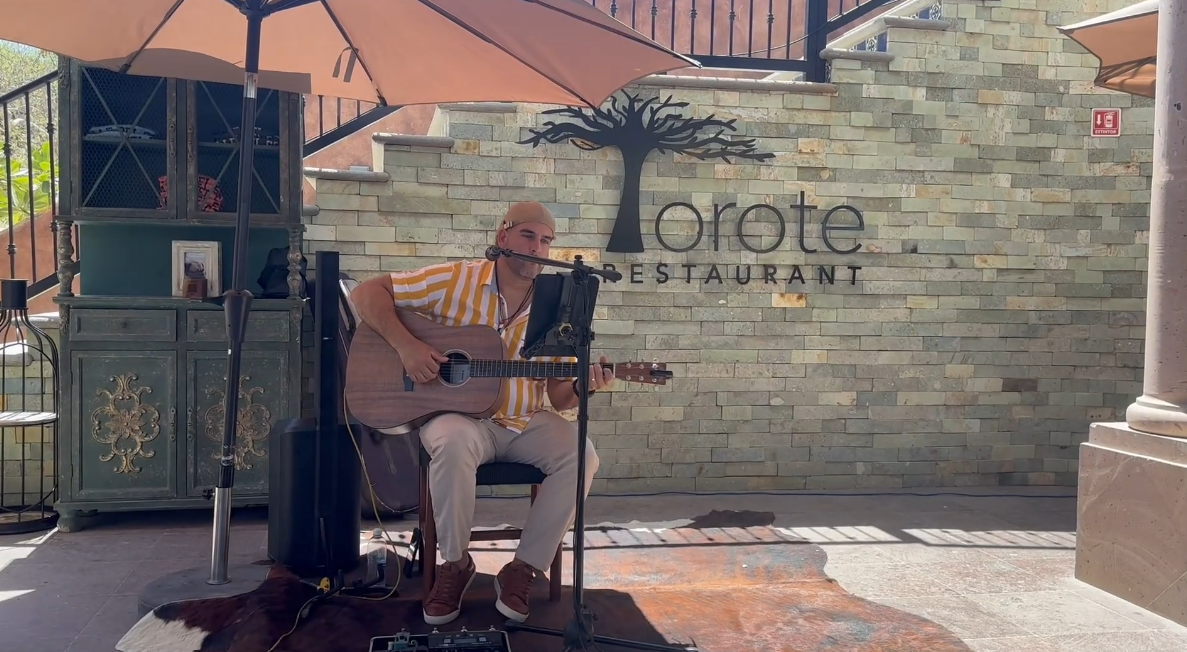
ACTIVITIES. As mentioned earlier, Cabo was a fishing destination and it then slowly became a golfer’s dream. When we lived in the condo in San Jose del Cabo, it was on the 9-hole municipal course (now the Vidanta course). Palmilla was one of the few 18-hole signature courses. Now, there are over 20 signature courses, with about half of them private. And, yes, they are too expensive. But we had a place in Maui for many years, and it is no different there. But there are lots of activities that you can still enjoy in Los Cabos at almost no cost – hiking, mountain biking, snorkeling, surfing, and visiting the historical cultural areas of BCS. If you like live music, Los Cabos and especially Todos Santos has music at lots of restaurants, with no cover charge and great local musicians and musicians from the United States and Canada who are retiring in the area and just love to play. It is like southern California in the 80s.
HOSPITALS AND HEALTH CARE. When we first arrived in Los Cabos, you hoped that you didn’t get sick or have a major accident because there was very little service available, and certainly not in English. We now find that the quality and price of healthcare is better than we were experiencing in the United States. This goes for the cost and availability of prescription drugs, the availability of appointments with very good doctors and testing equipment- and doctors who will spend a whole hour with you discussing everything of concern to you for $60 to $75 US. Some of the hospitals look to overcharge tourists so you need to know where to go (H+ and WeCare do a great job for us). Los Cabos has also become a medical tourism hotspot. For great dental work at a reasonable price, lots of our friends come to Los Cabos. Hip, knee and shoulder surgery is very popular. Regenerative medicine with stem cells, peptides, PRP, and MedSpa treatments have great outcomes here (at a reasonable price with well-trained professionals). Having launched a series of MedSpas in the Boston area, I would choose Cabo for the same treatments.
CHARITABLE SUPPORT AND ACTION. The level and nature of charitable support and activities to benefit the locals in Los Cabos has also increased dramatically. Organizations like Liga Mac, which was founded in 1997 has expanded greatly to assist young students with their academic studies, medical assistance, and to learn English. Each town in Los Cabos has a very active animal rescue operation that provides veterinary treatments, training and placement to dogs, cats, donkeys and more. Groups like East Cape Critters, Casa Sheila in San Jose del Cabo, PET Los Cabos, and Todos Santos Animal Rescue Center and many others. Feeding Los Cabos Kids supports 14 local kitchens that feed children in the at-risk areas of Los Cabos. Los Cabos Children’s Foundation, Sarahuaro Foundation, and Casa Hogar are only a few of the organization that help improve the situation of children in Los Cabos. On the other end of the scale, Monarch Effect Foundation provides middle-class Mexican teens with college and life preparation classes and help to place and support them to attend universities around the world. All of these organizations are support financial and with volunteers from the expat community.
CONSTRUCTION. The boom started soon after Hurricane Odile. It is the last 10 years that has resulted in the biggest boom in construction in the history of Los Cabos – both in the hotel and residential side. It is this trend that has raised the biggest questions about the changes in Los Cabos. The improvements in infrastructure are not matching the growth. Issues of water, electricity, sewer systems and more are real. But as Nick Fong said to me the only way that this will change is if the expats and developers demand it and pay for it. Like most governments (not just Mexico), there is not a lot of concern about the long term. Some things have improved. Hotels have to have grey-water systems to water their landscaping and golf courses. Most have their own desalination plants to reduce demands on city water. Solar system technology has improved greatly in quality at a dramatically lower price. We lived off-the-grid in Zacatitos and were the first get formal approval for solar in Pueblo Campestre. Our electric bills are minimal and we aren’t affected by the rolling blackouts in the hot weather. Now, lots of our neighbors are doing the same. The standards for residential construction and permits have improved significantly so that problems that many of us faced with construction quality are reduced.
So, if you feel that Cabo is not what it was and no longer as sleepy set of towns. You’re right. If you think it is growing faster than the infrastructure can support. You are also right. But there is still an amazing life and lifestyle here. So go beyond the big hotels and tourist areas and explore the culture and the people because it is still a wonderful place to live and visit. It may be more expensive than it was (and than places on the mainland) but so is everywhere in the world.