Since 1991, we have been through the construction of a condo in San Jose del Cabo, a house on the beach in Zacatitos, a townhouse in Pueblo Campestre Phase 2, and two condos in Todos Santos. During that time, we have experienced the good, bad, and ugly of the construction process in Los Cabos. In the early days, the standards for construction were almost non-existent. Only structural plans (not electrical and plumbing plans) were required to get a permit to build. Many of the contractors had little experience with building and their subcontractors (or employees) doing the plumbing and electrical work were not certified in their responsibilities. The result was that if you were a first-time buyer of a new home built to your specifications, and not regularly on site you would be unaware of the standards and potential problems facing you in the future. For example, for our house on the beach in Zacatitos (7 bedrooms, 7 baths and a 1-bedroom casita) no conduits were run for electrical. So, if changes had to be made, it was necessary to break into the concrete walls or blocks to make a repair. This would also mean that you were potentially weakening the structure at the same time. For this reason, with our townhouse in Pueblo Campestre Phase 2, we were on site every Sunday to note and make comments to the contractor on the work that was done.
While there is no question that the quality of work and the requirements of permits have improved dramatically over this 34-year period. There are still issues that most of the newly built homes and condominiums in Los Cabos face. Construction guidelines do not necessary prepare for the high heat during the summer and early fall months – residences are hot and air-conditioning bills are very high. While homes can be protected from the annual hurricane season with hurricane protection, none of the standards are prepared for the dramatic increase in 3.0+ earthquakes that have been hitting the area in the last year. Shifting walls not only cause surface cracks but may affect the plumbing and electrical conduits in the walls. How do you build to prepare for the nature of the environment in Los Cabos?
I recently met a builder, originally from Quebec, who has been a contractor in Alberta, and now in Los Cabos. Through his scouting across Central and South America,he realized how poor construction standards can be, which inspired him to raise the bar and improve building quality here in Los Cabos. Luc Lacasse (Lukaz Builder) explained to me the techniques that he has used (and that more high-end builders in Pedregal and Chileno Bay are using) to try to address many of these issues. He indicated that there are a lot of issues to address in building a home or business in Los Cabos that truly meets the challenges of the environment.
Ground Preparation. There are lots of regulations in Baja about the protection of natural plants and trees when clearing land to build. Profepa requires that certain plants are carefully removed and replanted or built around when construction is planned. This can be important as the agency can come back years later and make you prove that you had met these requirement (which happened to us in Zacatitos). Another very important area in ground preparation is knowing where water flows and how it drains when the storms hit each year. In building his condominium unit in El Tule, Luc Lacasse discovered that there was a natural spring. So, a catch basis was built as well as drainage around the foundation to catch water during rain storms. This protects that foundation in the long term from erosion of the ground around and underneath it. A weeping tile system (French drain) with perimeter drainage was added to carry rainwater away, a must for keeping the ground stable and protecting your foundation for years to come.
Heat, Hurricanes, and Earthquakes. The biggest potential impact on construction and life after construction are the regular environmental conditions in Los Cabos – heat, hurricanes, and earthquakes. In 2025, there have been 1,669 earthquakes so far with two over 4.0. Shifts in the walls due to quakes can cause problems with electrical and plumbing if there is no flexibility in the conduits.
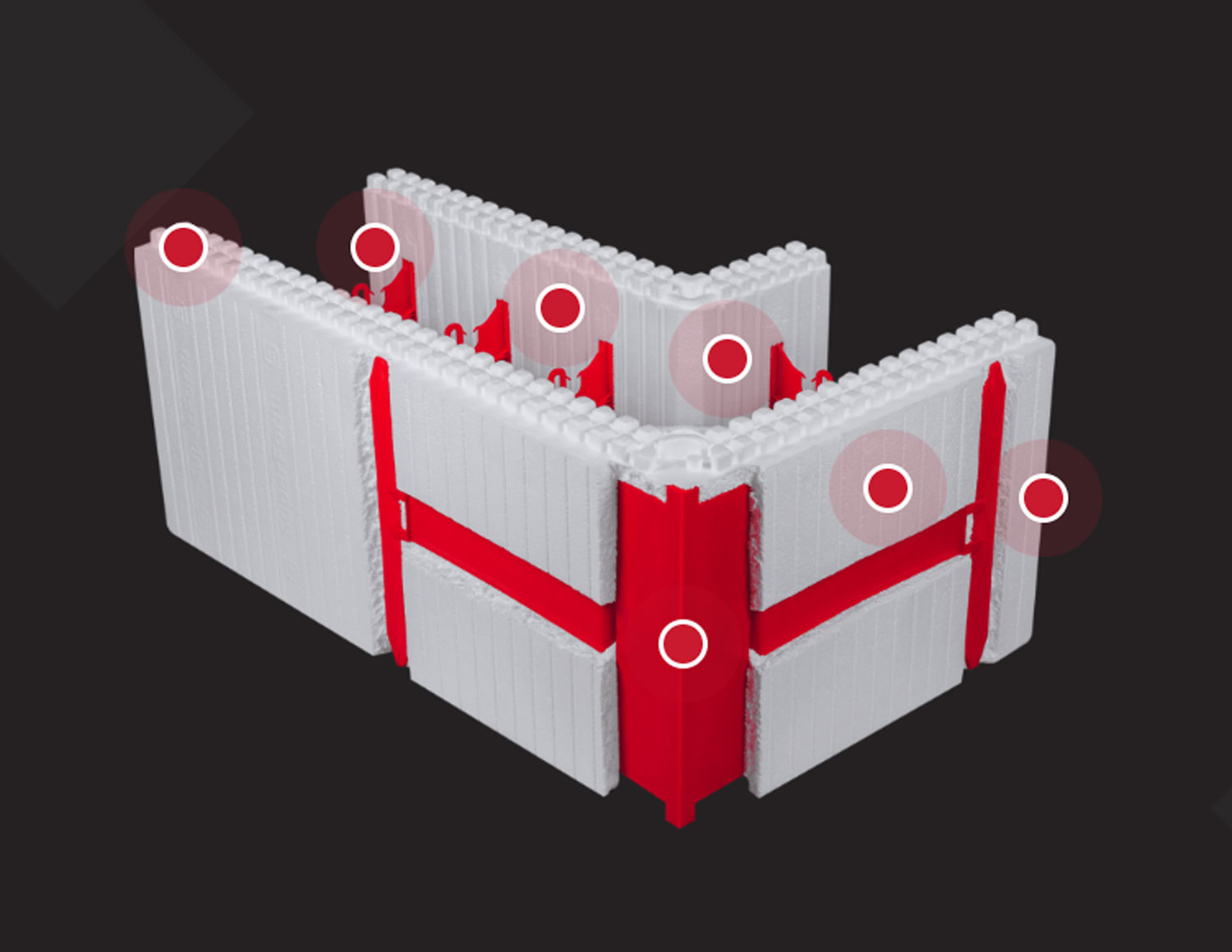
To address these issues, Lukaz Builder has used a unique building system that is becoming more popular in Mexico and Los Cabos – Insulated Concrete Forms (ICF). These interlocking large blocks (e.g., 4’ x 1’ high) have a six-inch space between them which if earthquakes. Luc even demonstrated thermal readings on completed walls, showing a steady interior temperature of 28°C. With insulation on both the inside and outside, the home stays naturally cool—air conditioning runs for only an hour in the morning and an hour at night to maintain comfort throughout the day. The ICF system is not only ideal for exterior walls, but also for floors and roofs between levels, further enhancing energy efficiency and durability. To complement this system, Lukaz condominiums are equipped with double-paned low-E windows and doors with gas-filled panels, along with electric shades. Together, these features reduce heat transfer and minimize the impact of direct sunlight, ensuring year-round comfort and lower energy costs.
Electrical and Plumbing Plans. he ICF system also makes it easy to integrate utilities. Water lines, electrical conduits, cable, and ethernet can be set into the walls before the concrete is poured, with outlets, switches, speakers, and internet connections pre-planned and placed in advance.
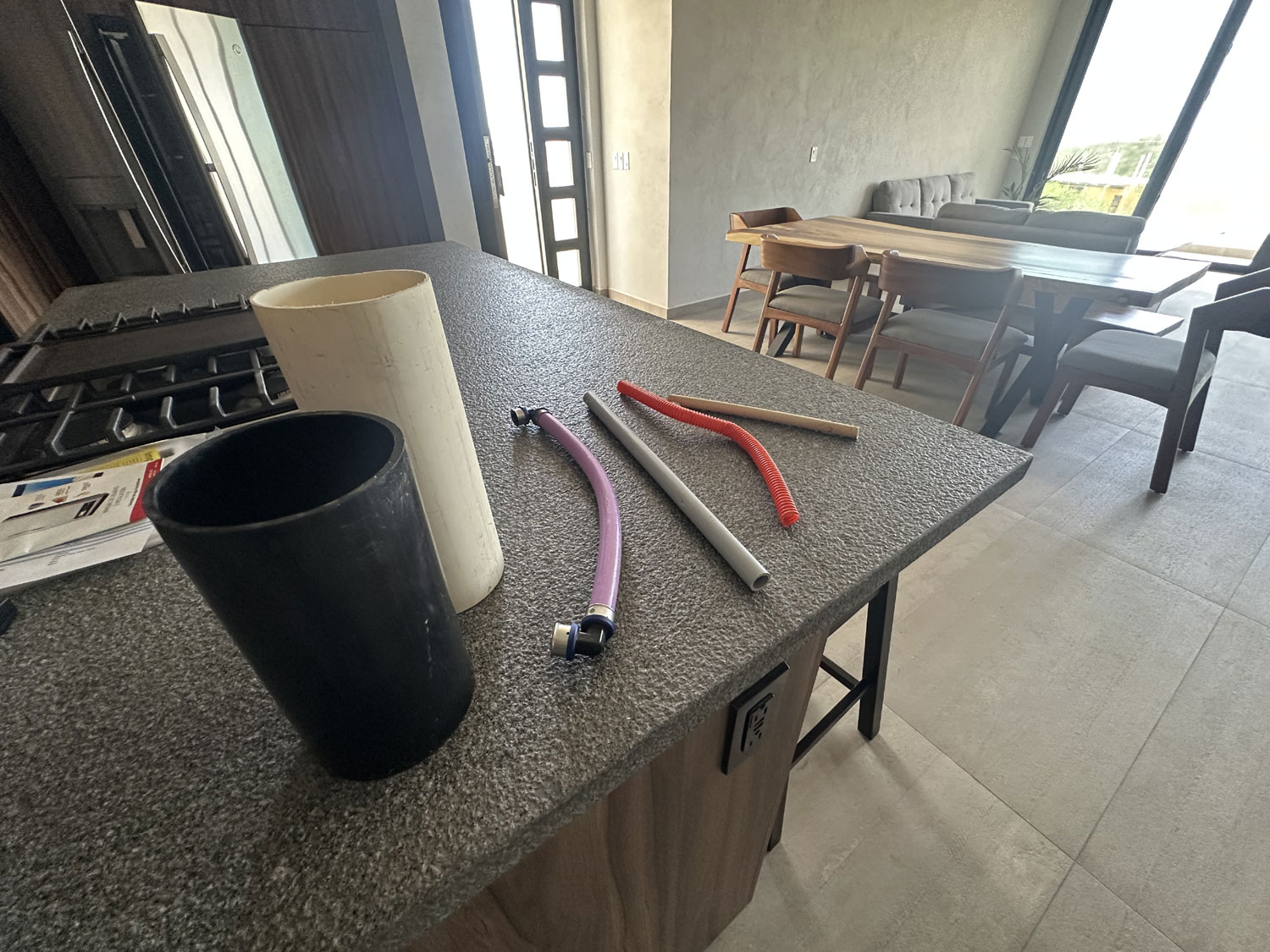
Luc also highlights a major issue in many local homes: traditional CPVC or PVC plumbing. These systems often have over 100 glued joints hidden inside walls. Because they don’t handle stress well, they are prone to breaking and leaking—repairs require opening walls and are costly to fix.
At Lukaz, this problem is solved by running all water lines directly to a central distribution box (manifold), eliminating unnecessary joints. On top of that, he uses cross-linked polyethylene (PEX) piping, a flexible and durable material widely used in Canada and the U.S. but rarely in Los Cabos. PEX drastically reduces the risk of leaks, simplifies maintenance, and ensures a longer-lasting, worry-free plumbing system. Similarly, there are upgraded versions of large drain pipes and electrical conduits that can ensure that the chance of damage due to deterioration or shifting foundation are walls are minimized.
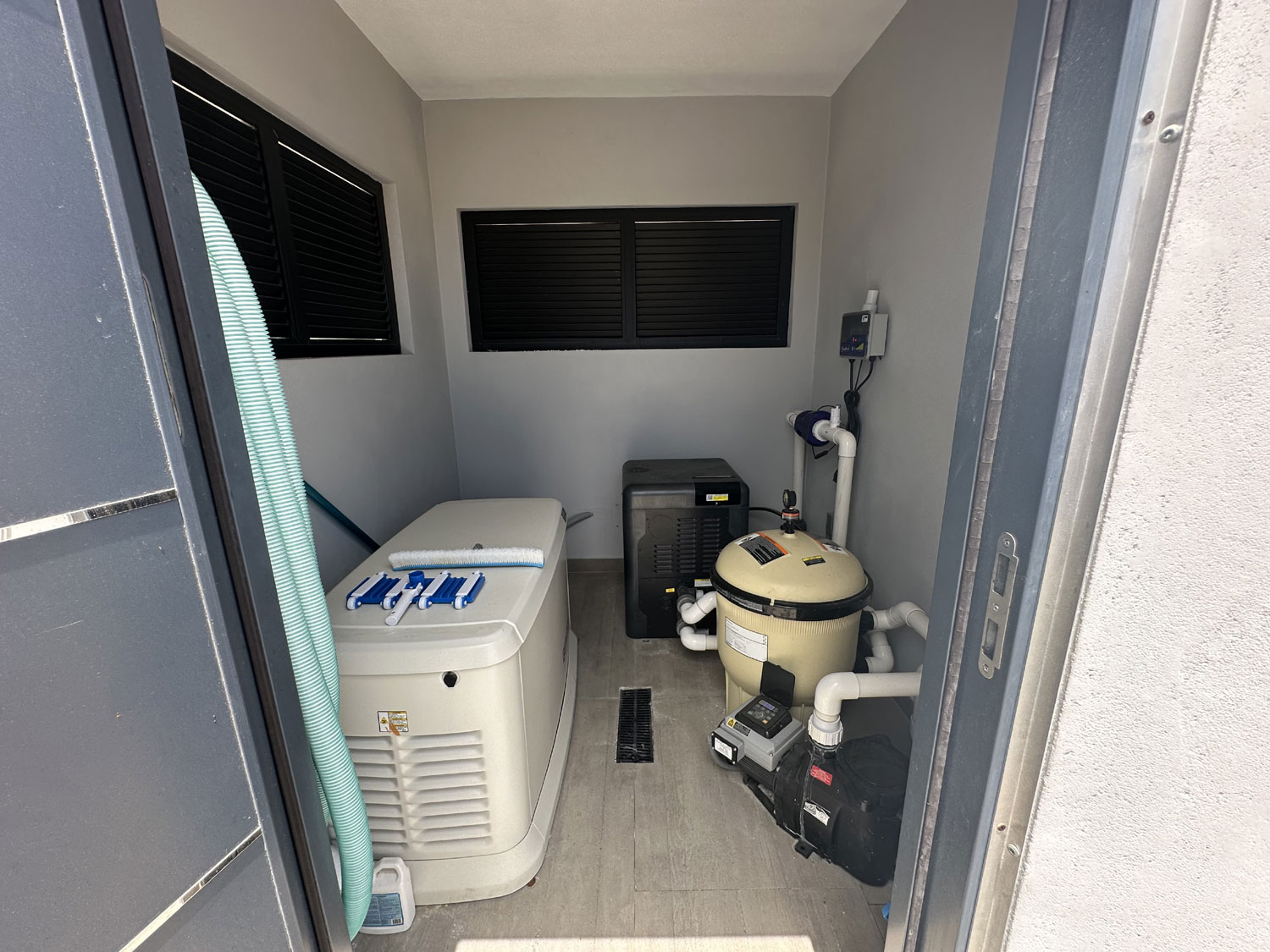
In Los Cabos, both the availability of water and its quality are an issue. During times of storms, city supplied water can be cut off for weeks due to damage to water lines or pumping stations. Similarly, water delivery can take up to three weeks rather than shorter times, especially in times of natural disaster. This calls for the builder to plan for adequate storage of water to provide a supply during these times. Building cisterns into underground places like the garage and systems to capture water during storms can be an important part of the construction plans. Not only the availability of water but the quality of the water is another important part of the construction plan. Having the right water sanitation system for the house or business is vital. In Lukaz Builder’s condominium, he has installed a special system that ensures clean water at all times.
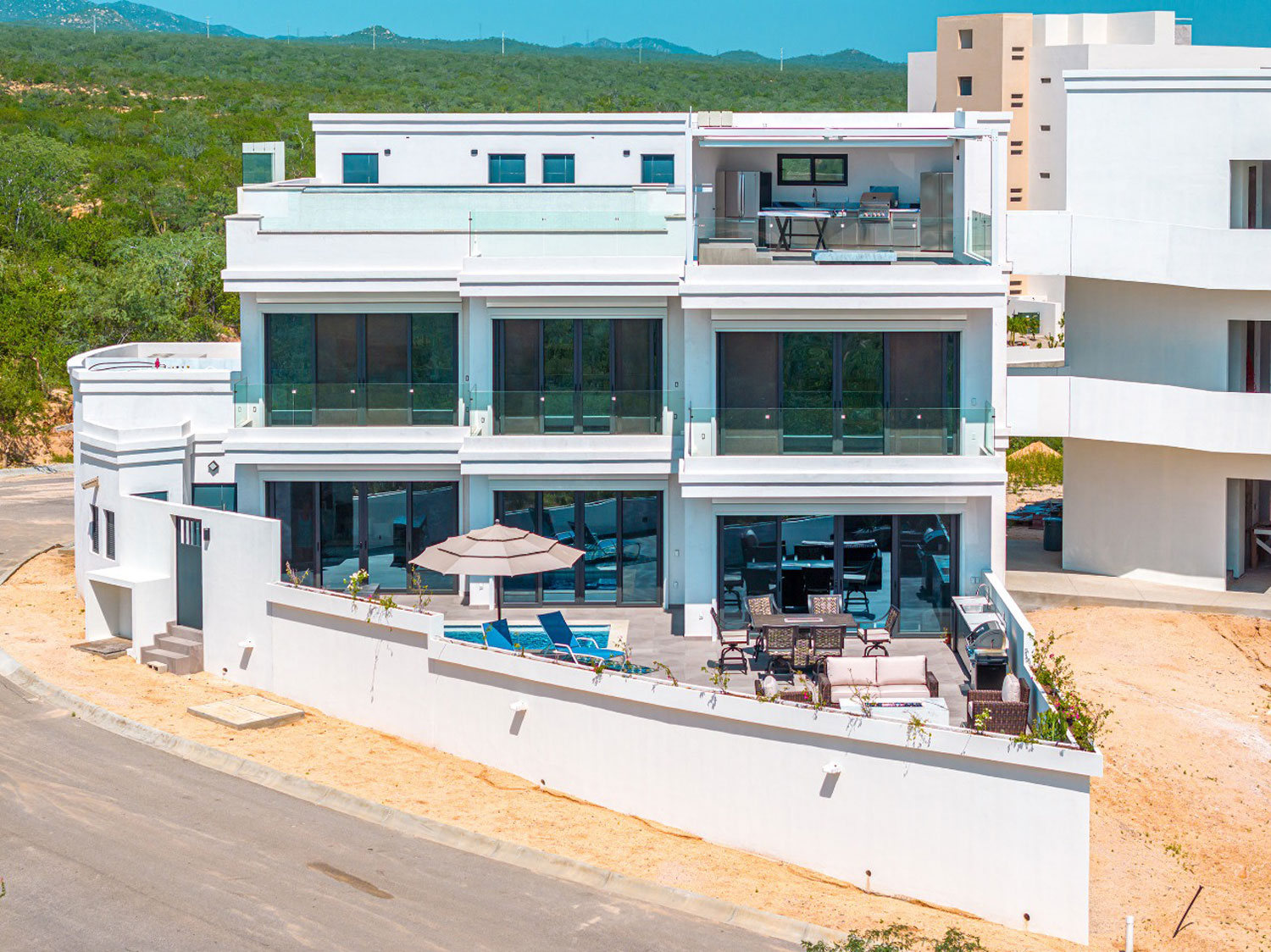
Exterior Finishes. At Lukaz, quality extends beyond the structure to every exterior detail. Each condominium is designed with durability, security, and beauty in mind.
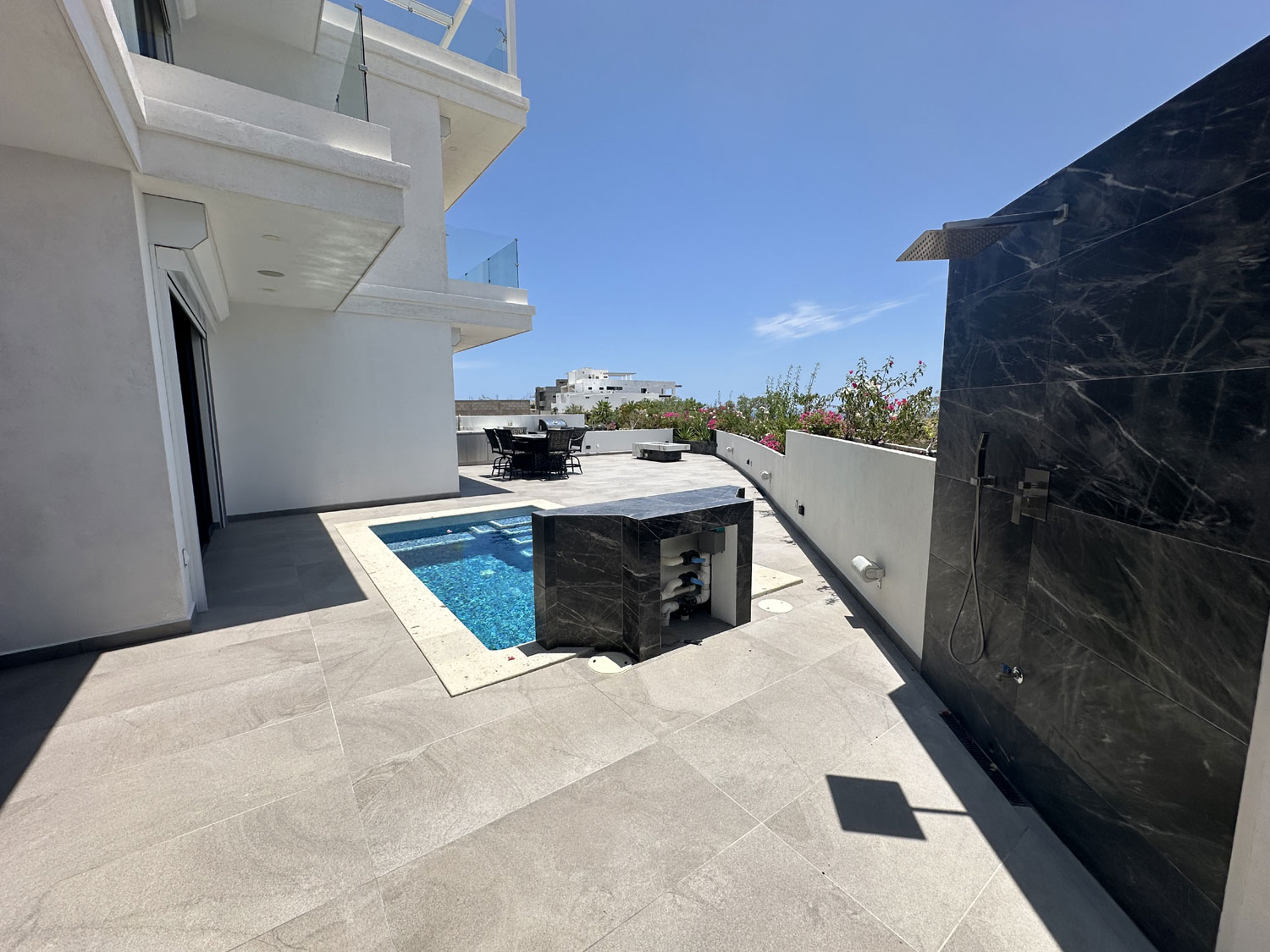
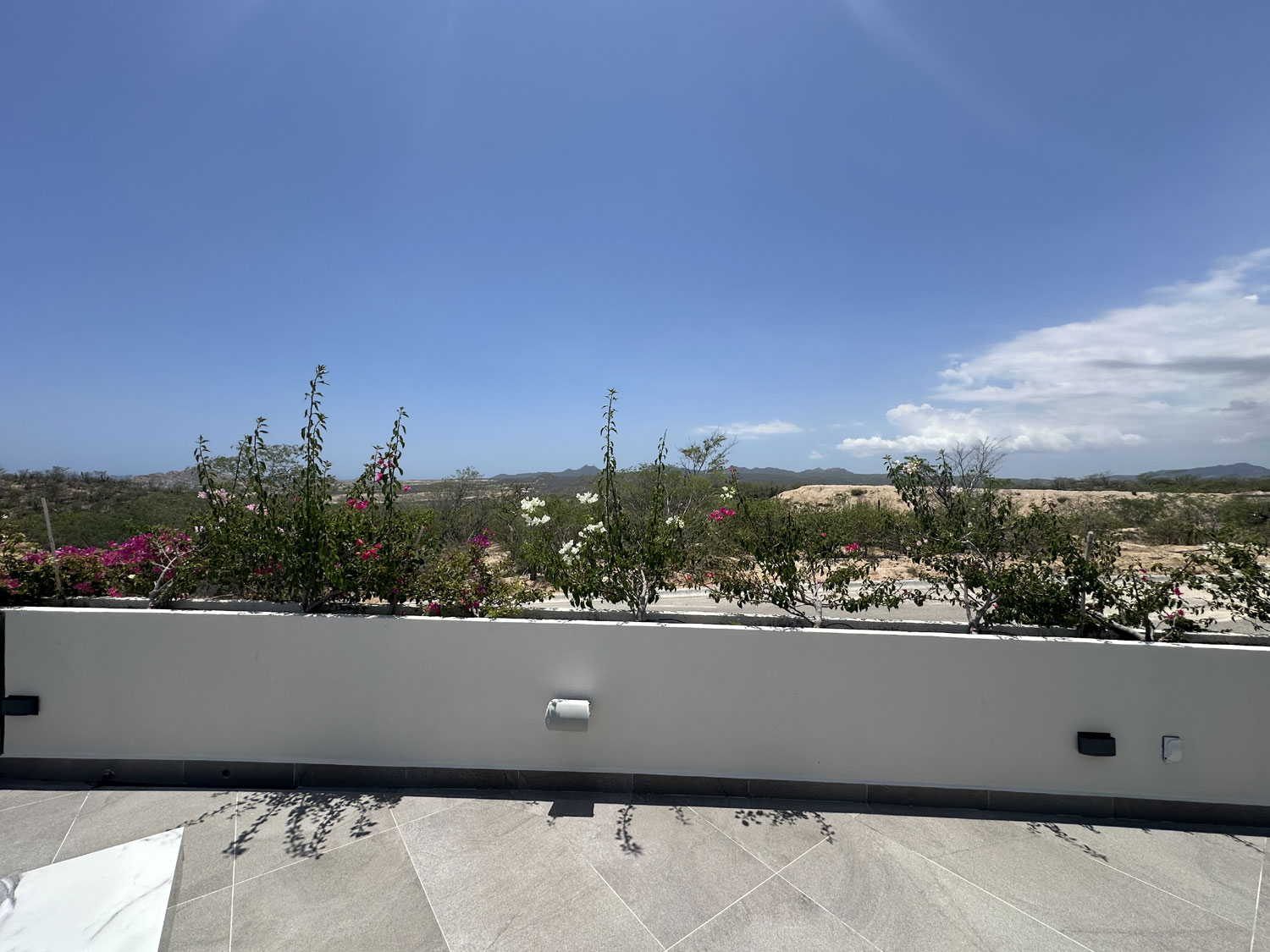
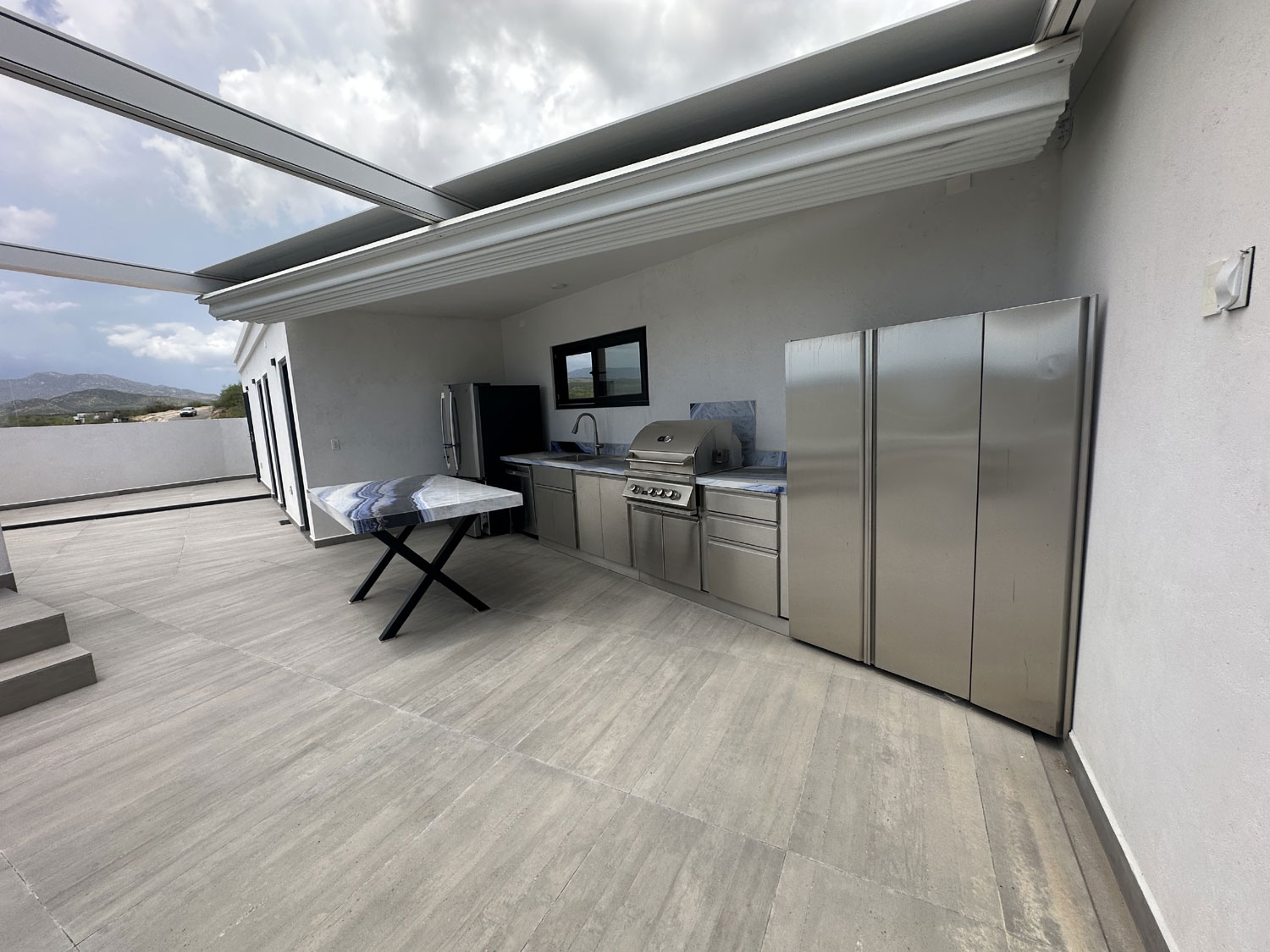
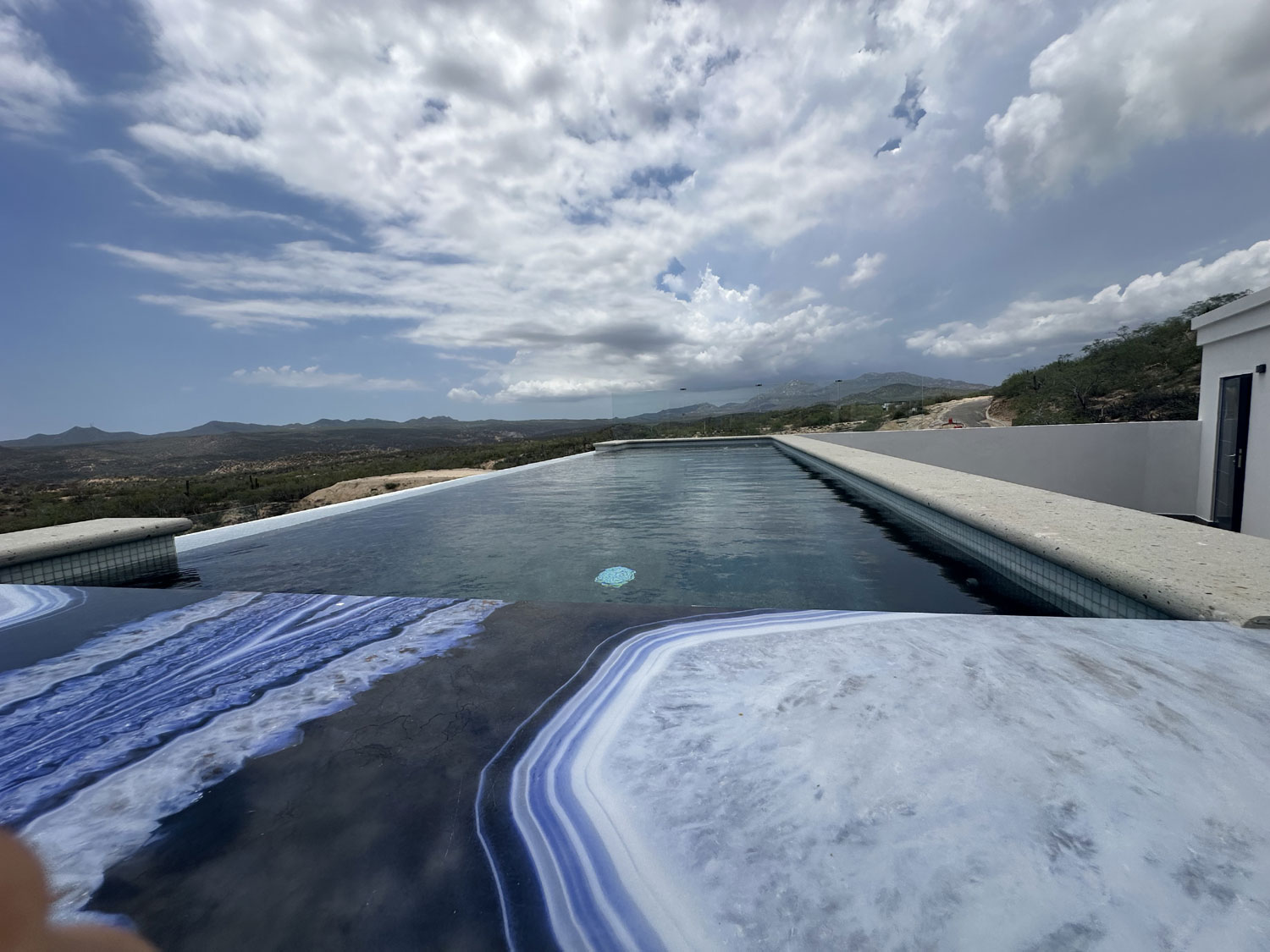
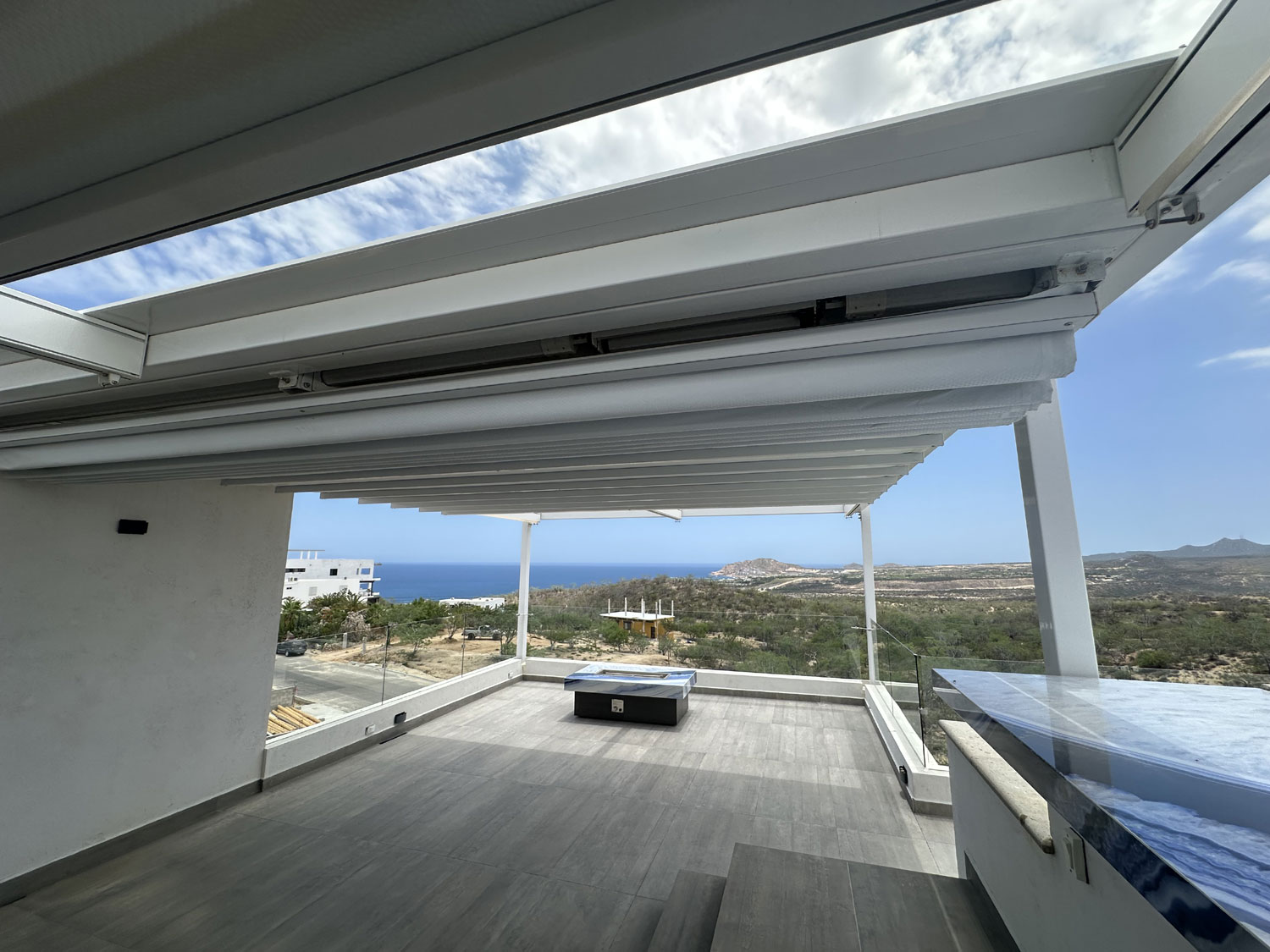
The third floor features a versatile rooftop deck—shared or private—complete with an infinity pool, outdoor kitchen, and lounge area, all shaded by automated retractable awnings.
For exterior walls, he uses a premium Turkish stucco finish that is both waterproof and crack-resistant—addressing one of the biggest issues with traditional concrete, which is not naturally waterproof.
All exterior doors are crafted from stainless steel, paired with high-quality hinges and electronic openers. Built to resist both hurricanes and unwanted entry, they offer peace of mind without compromising style.
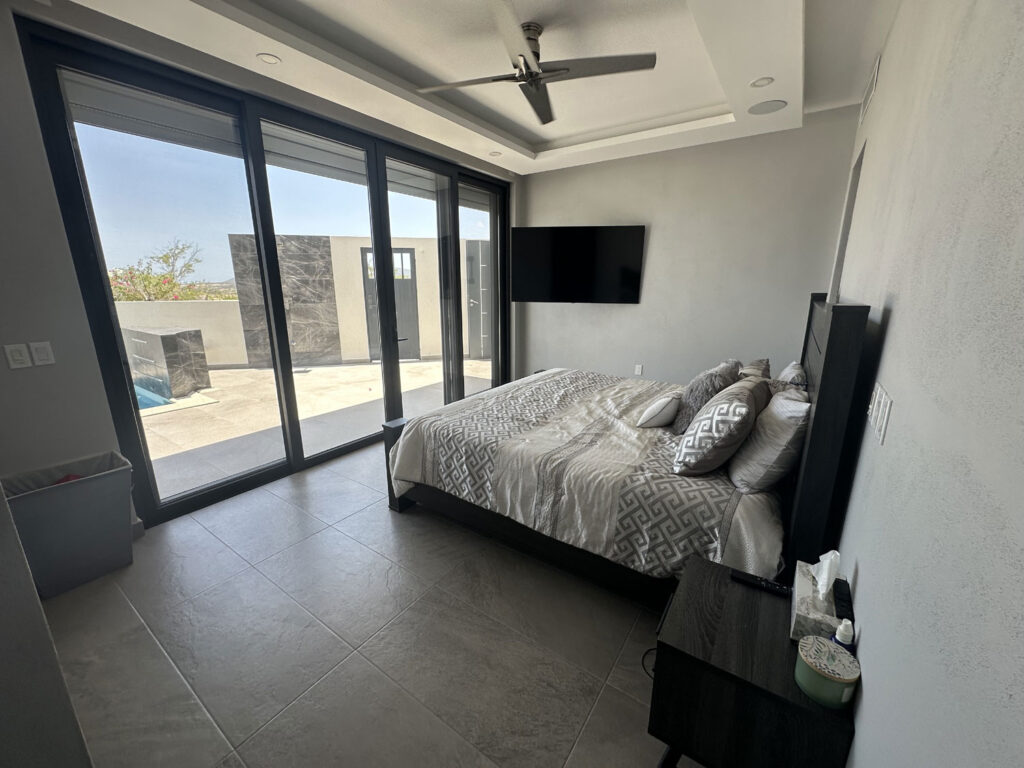
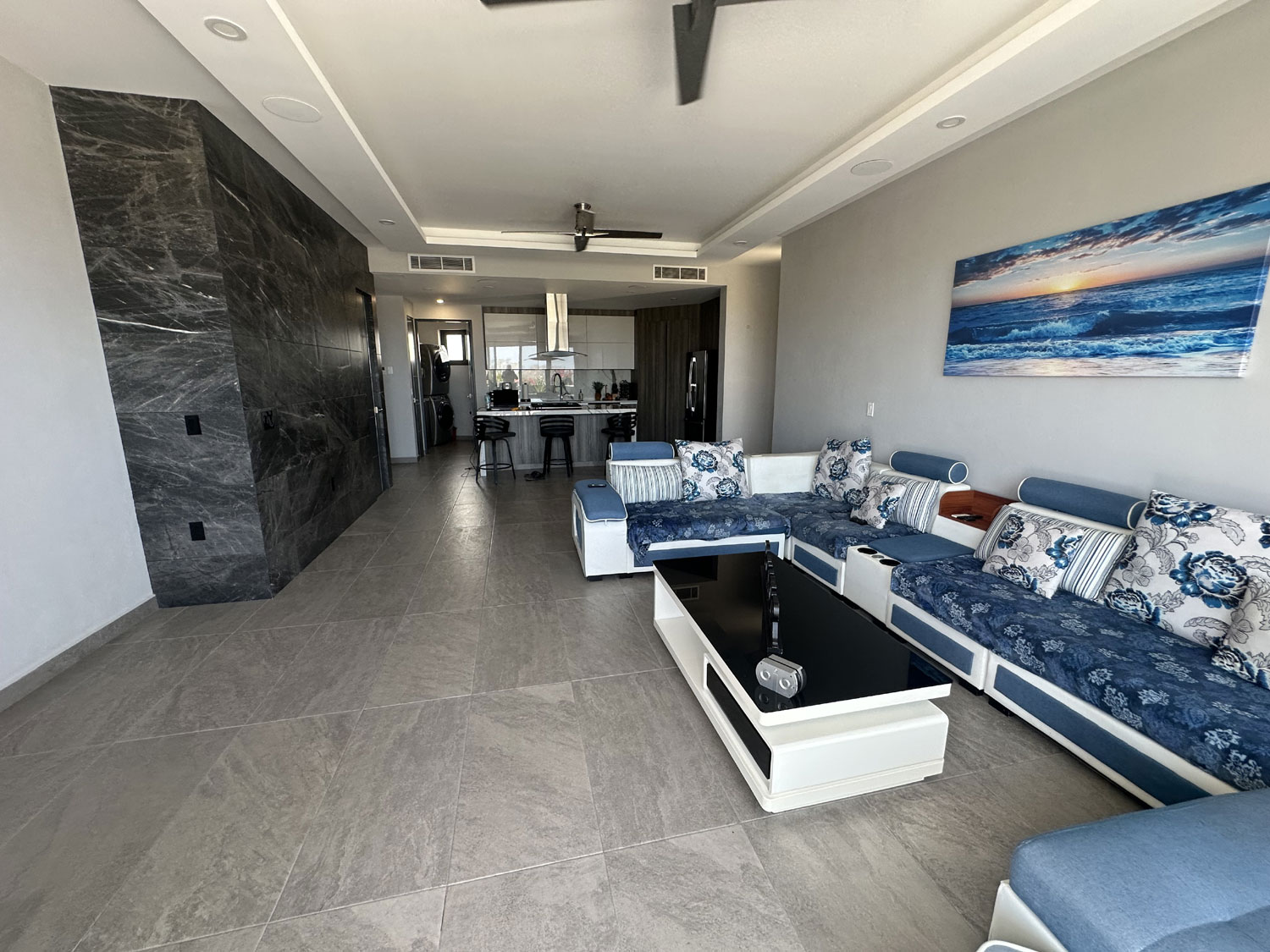
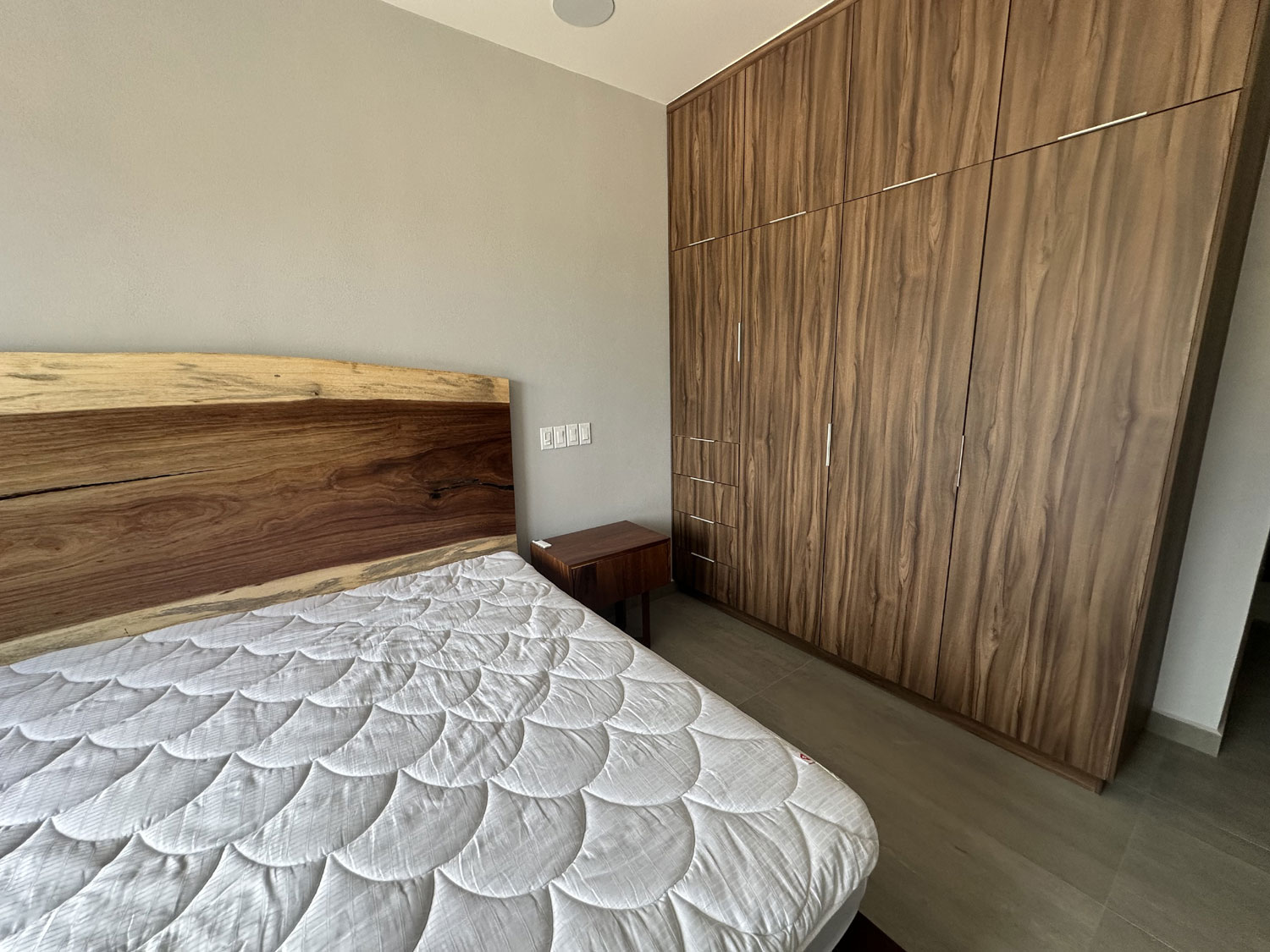
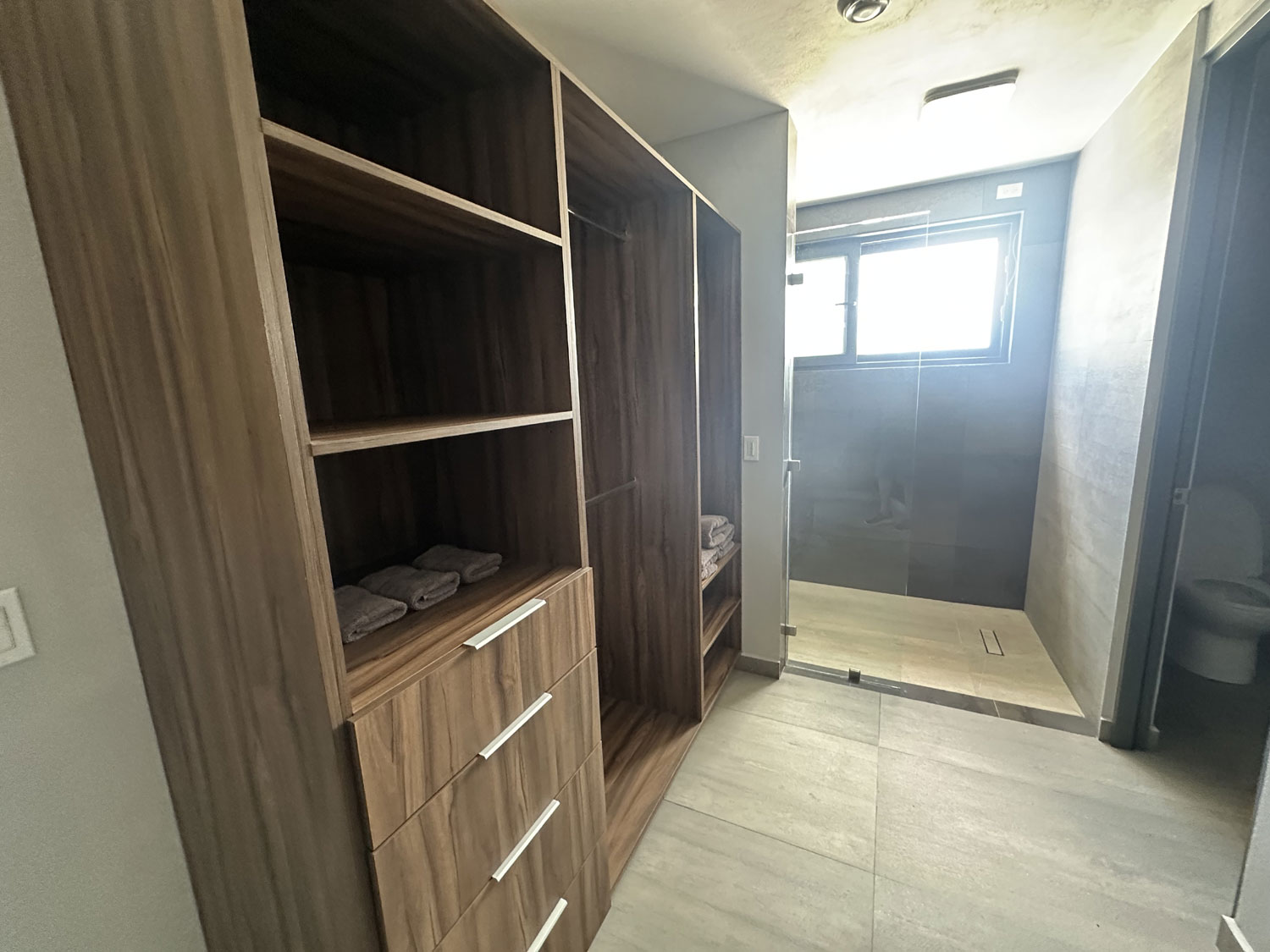
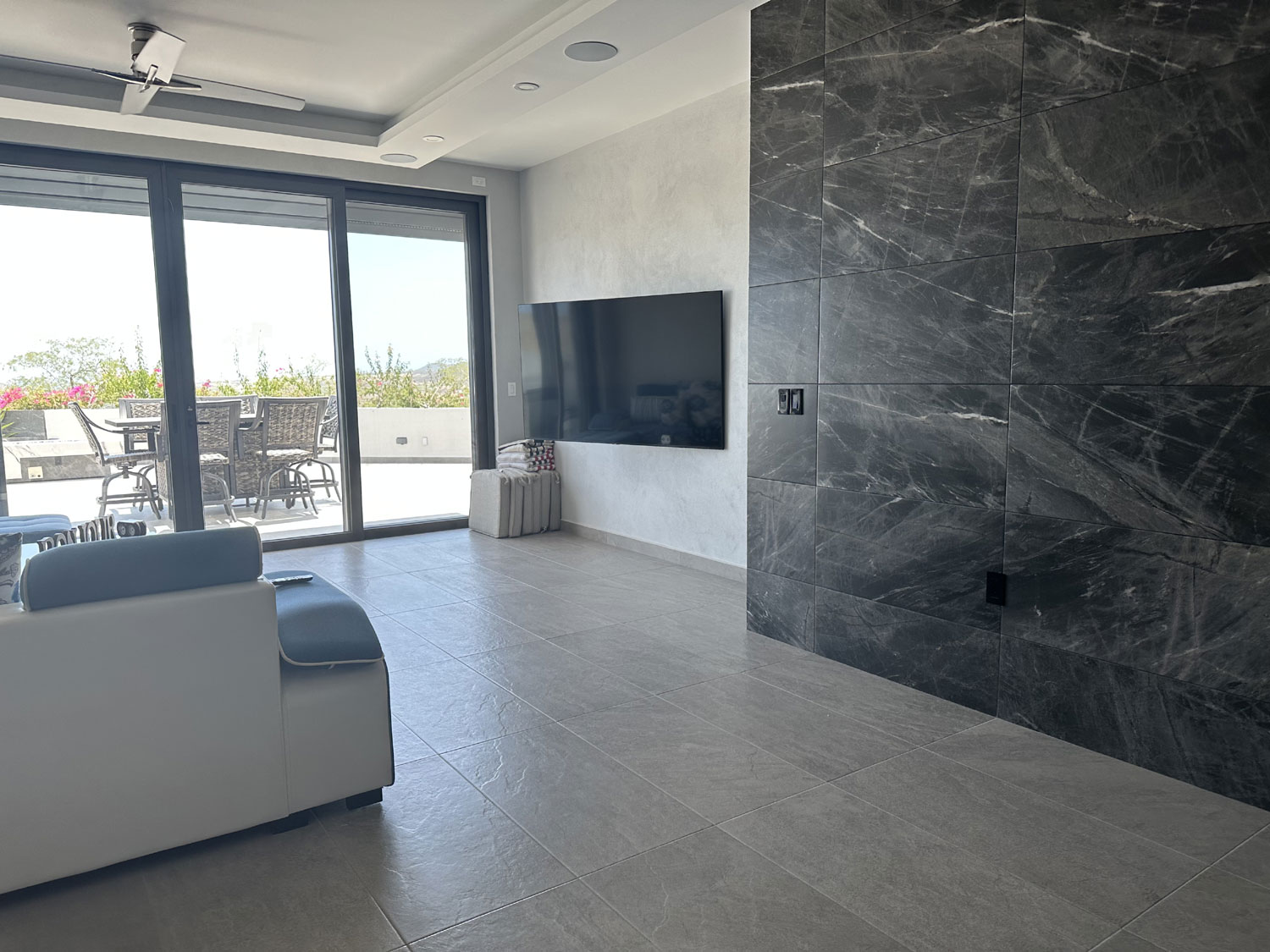
Interior Finishes. All floors are finished in elegant porcelain tile, combining beauty, durability, and easy maintenance. The living room includes a convenient coat closet, while cabinets throughout the home are built from premium materials with high-quality hinges and openers.
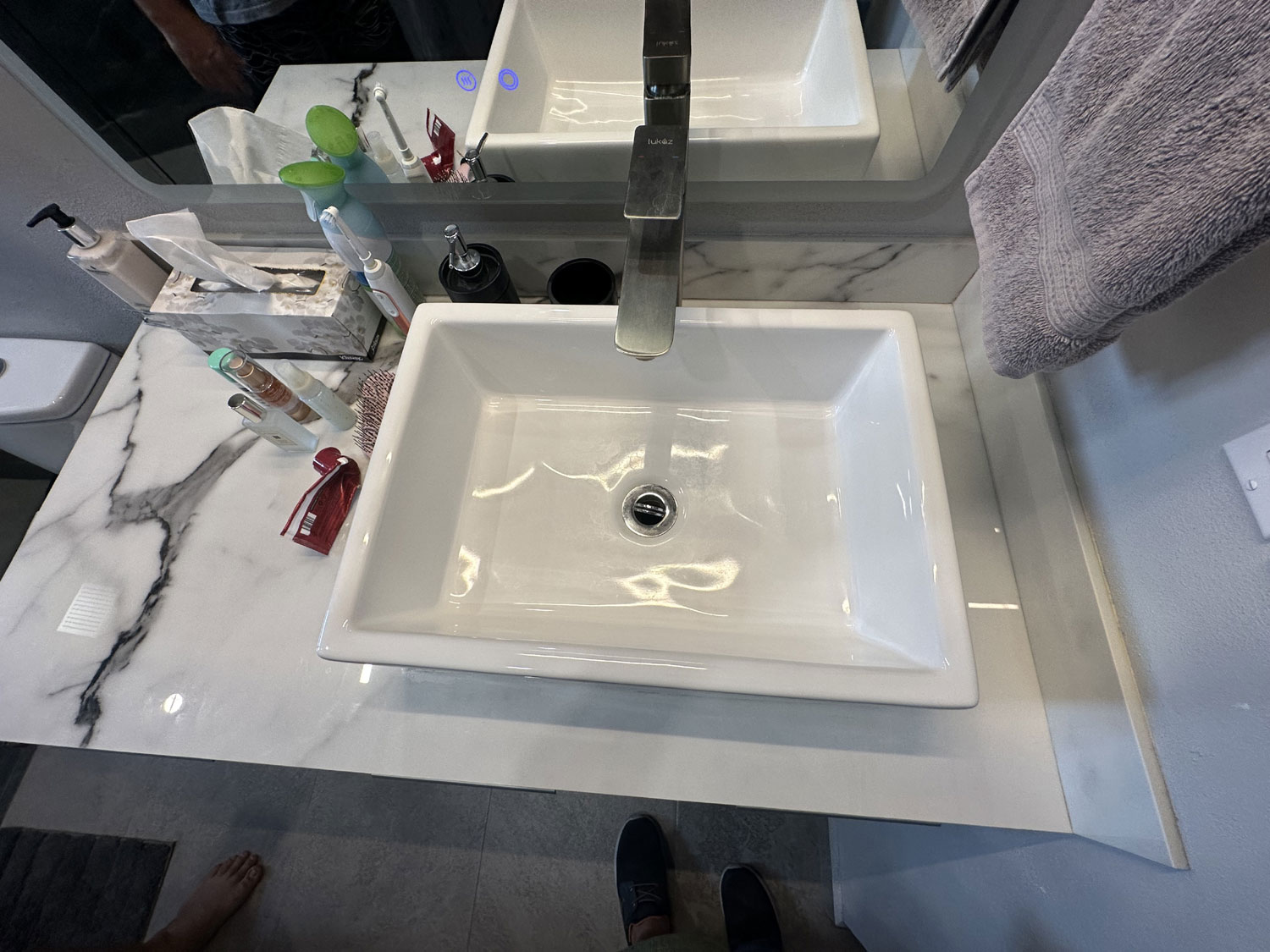
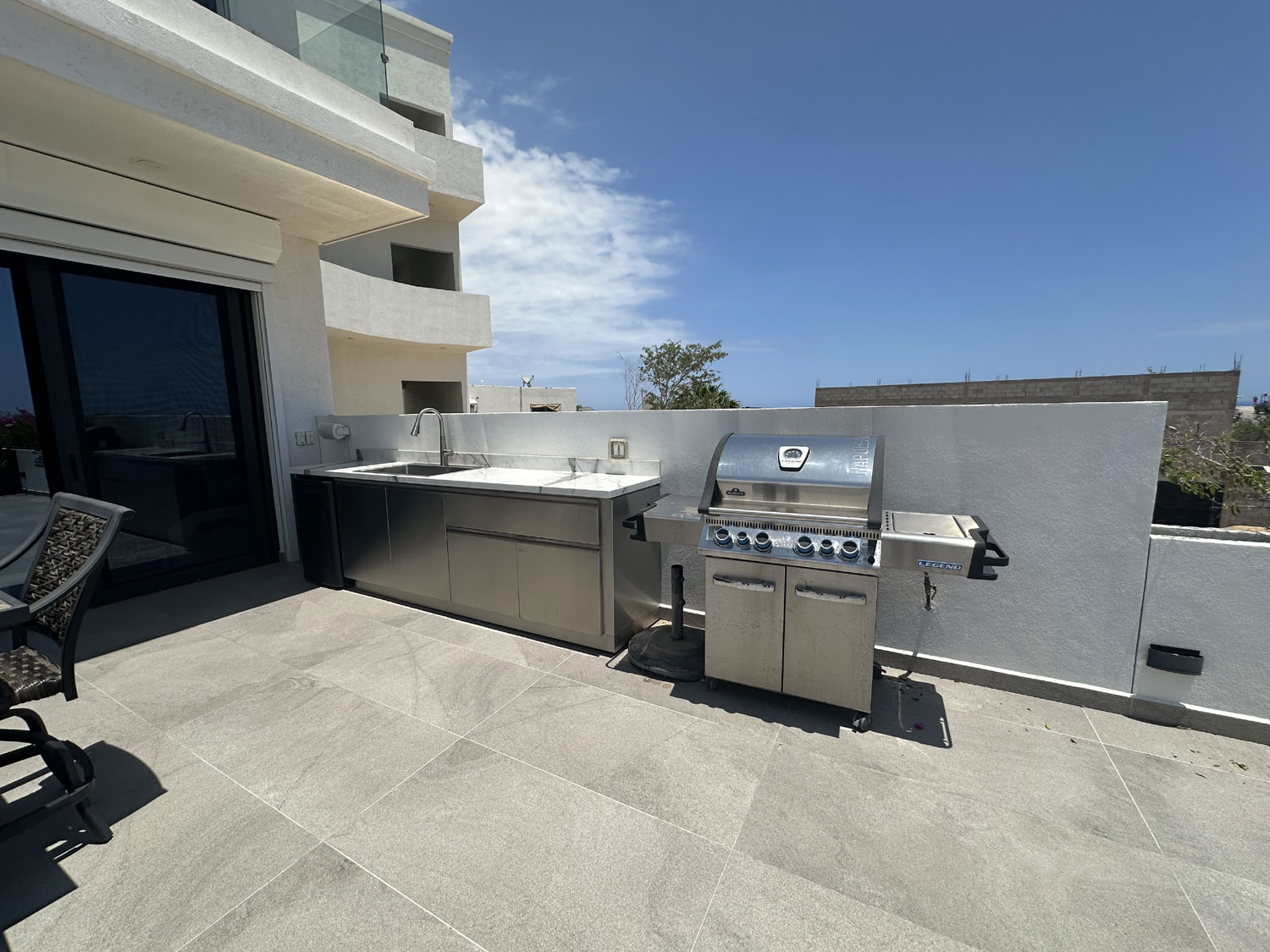
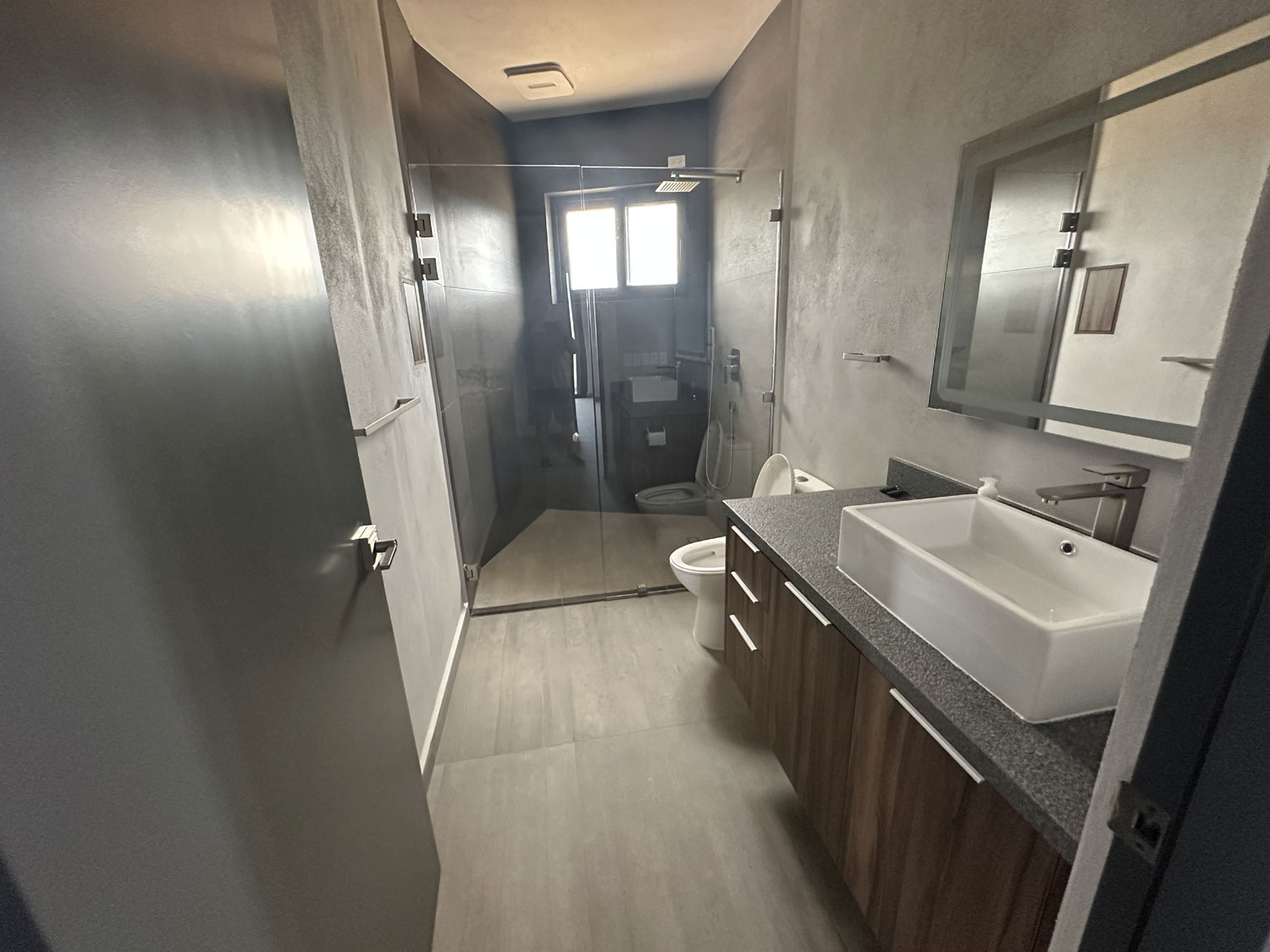
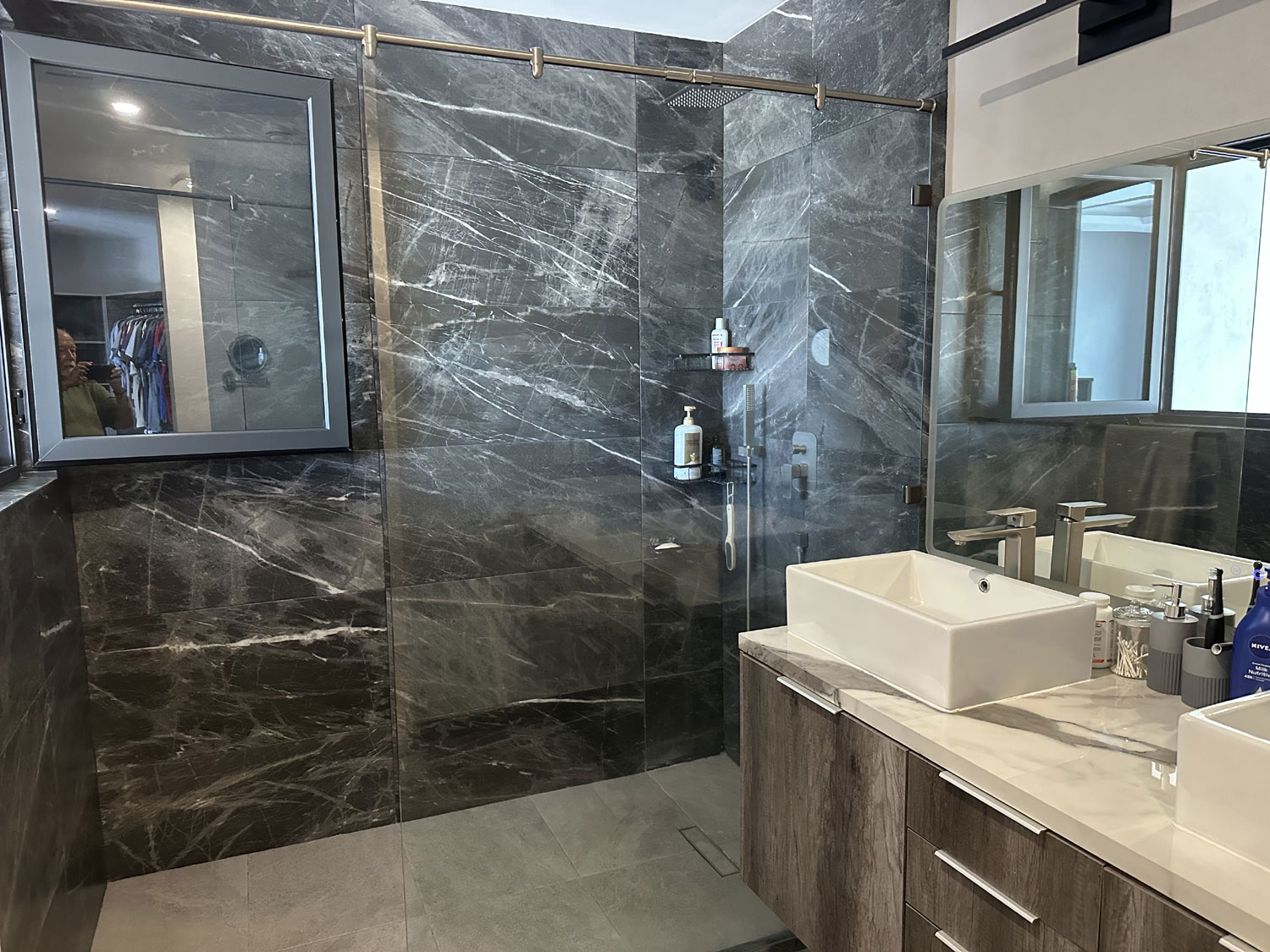
Bathrooms are designed to deliver a true luxury experience, with custom faucets and fixtures exclusively manufactured for Lukaz and engraved with his logo. Each bathroom is equipped with air conditioning, exhaust fans, and GFI outlets for comfort and safety. Countertops are top-grade, and outdoor kitchens are crafted entirely from stainless steel for lasting style and durability.
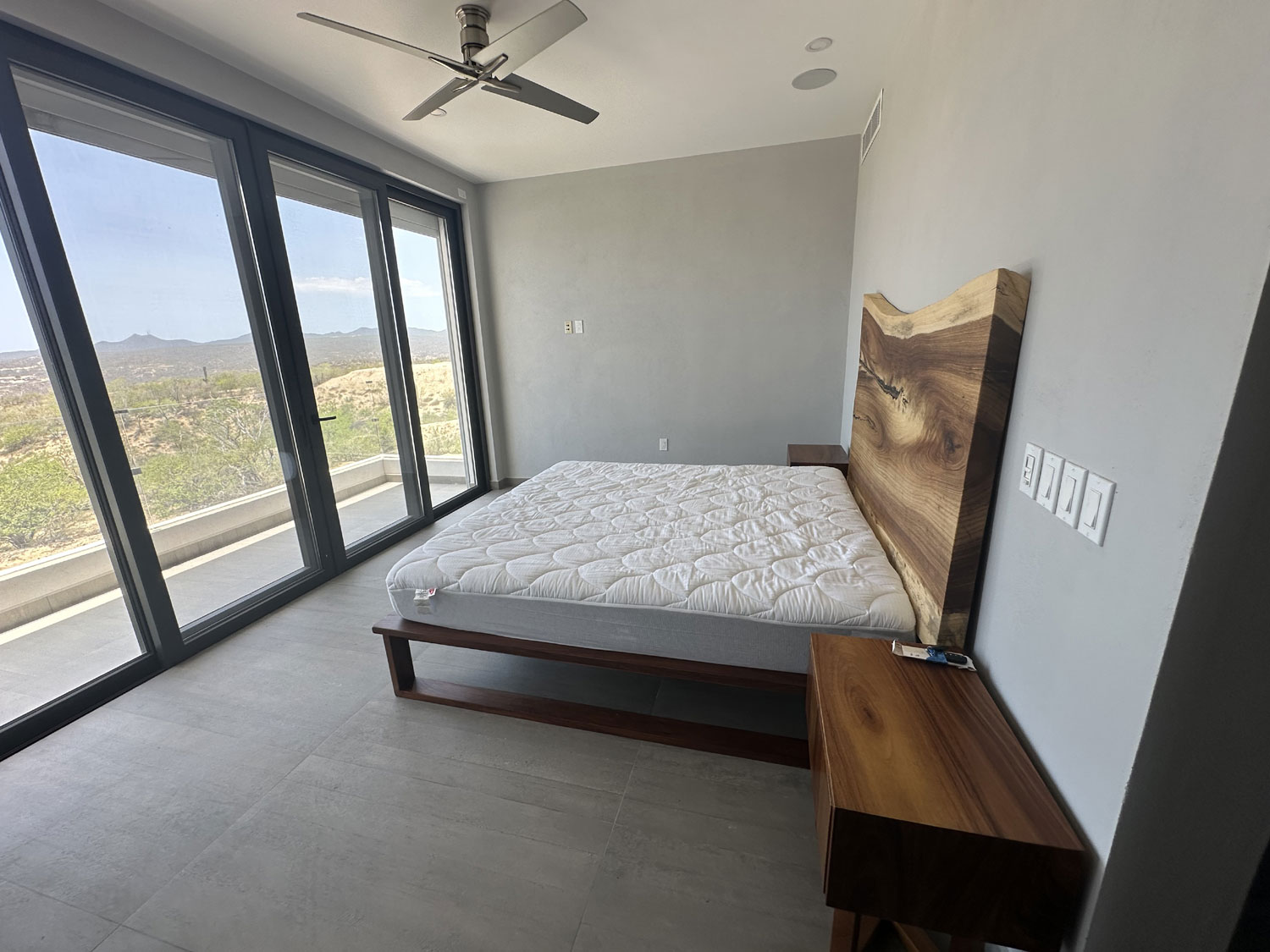
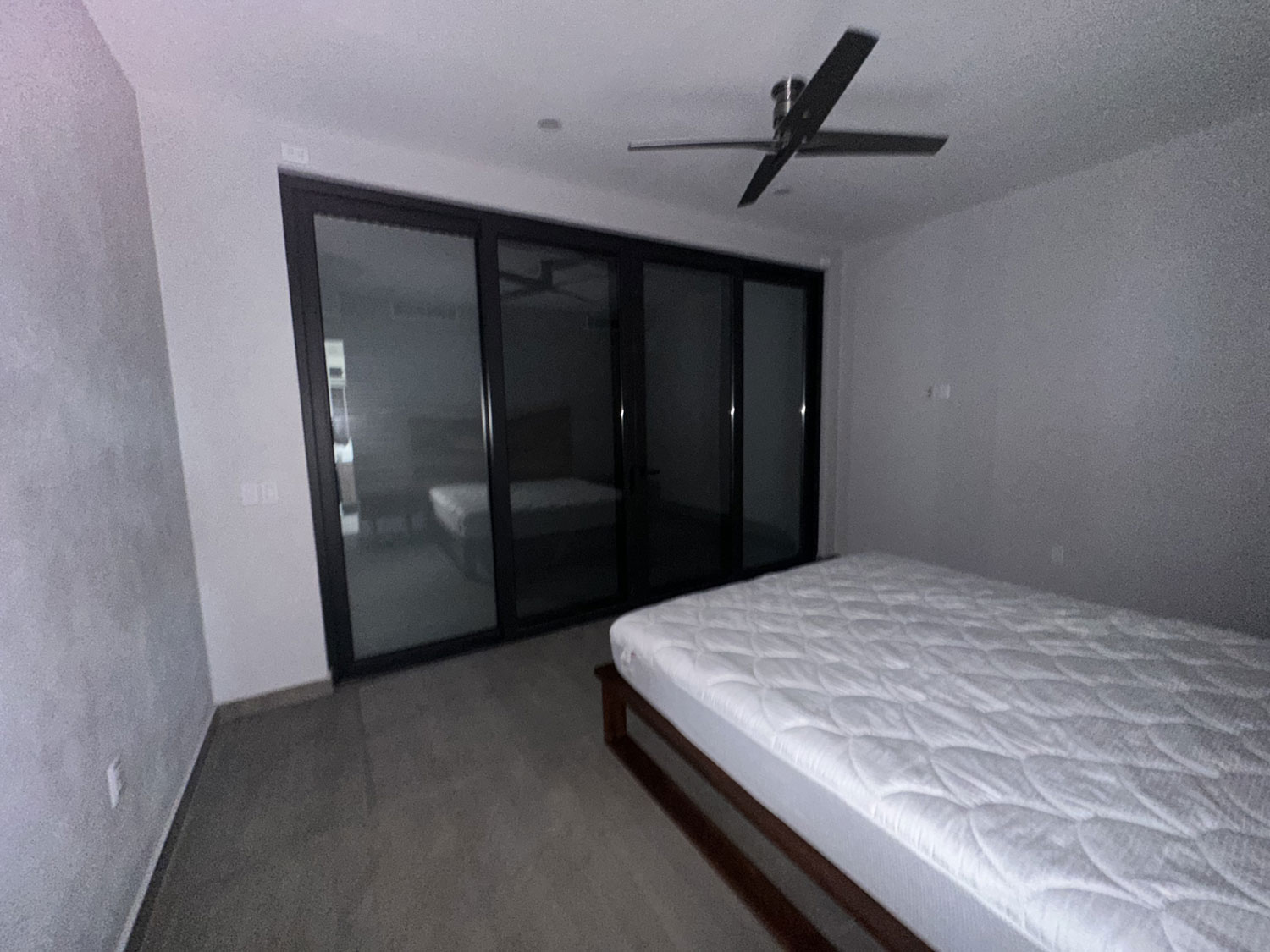
Every room includes ceiling fans to enhance airflow and complement the natural cooling benefits of ICF construction. Outdoor spaces are carefully planned and laid out for both luxury and functionality, and storage is abundant throughout the home.