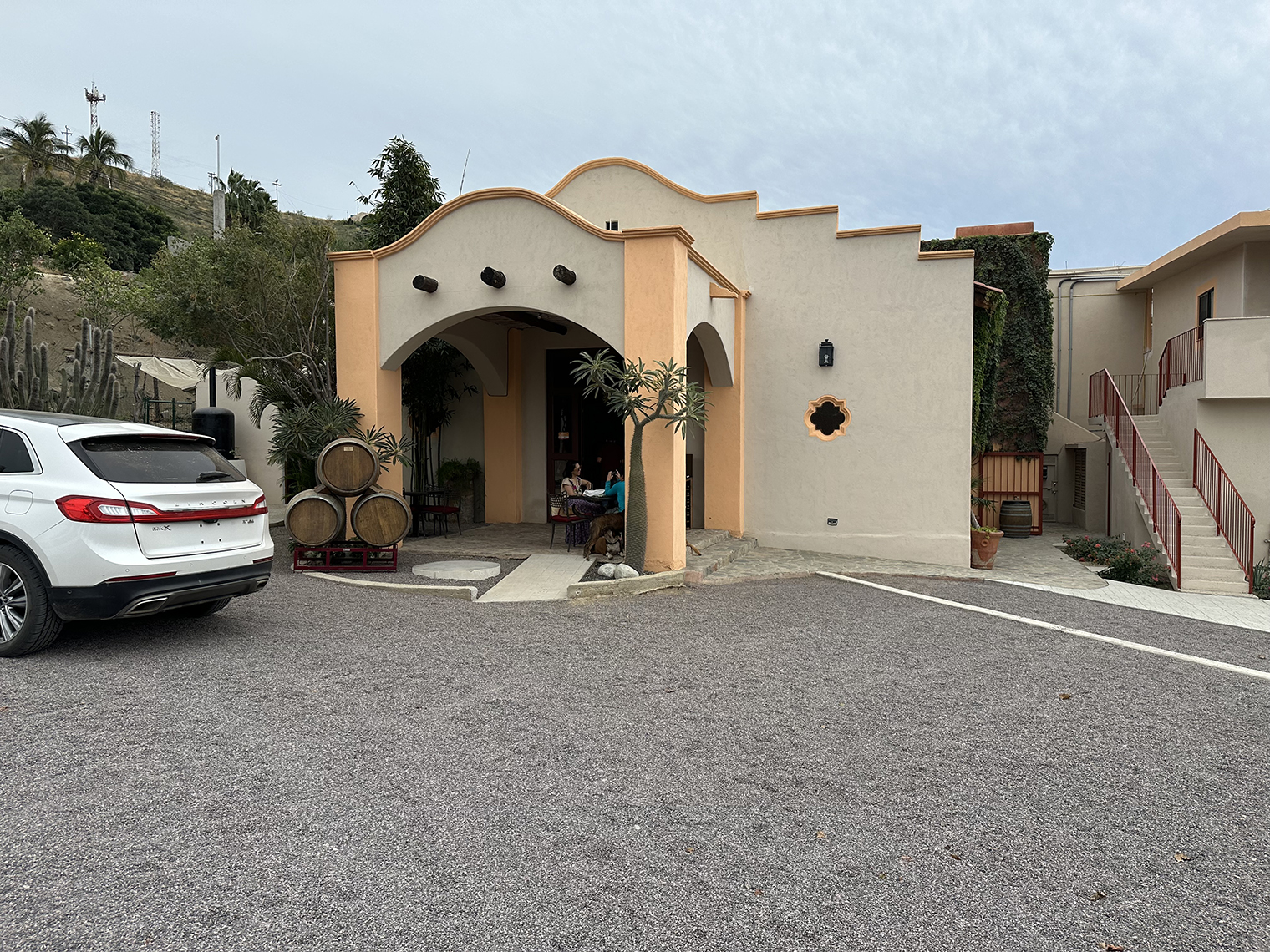
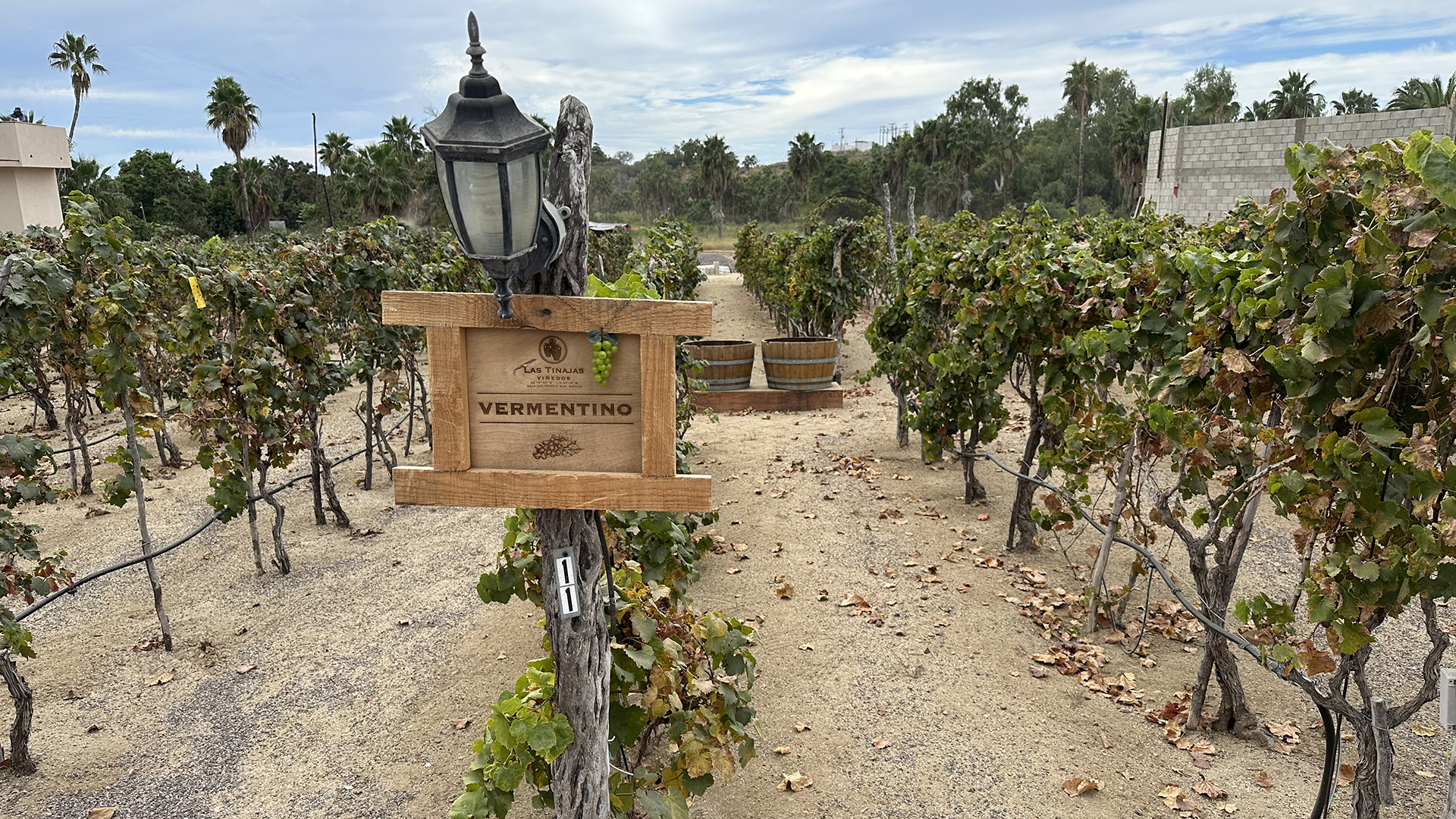
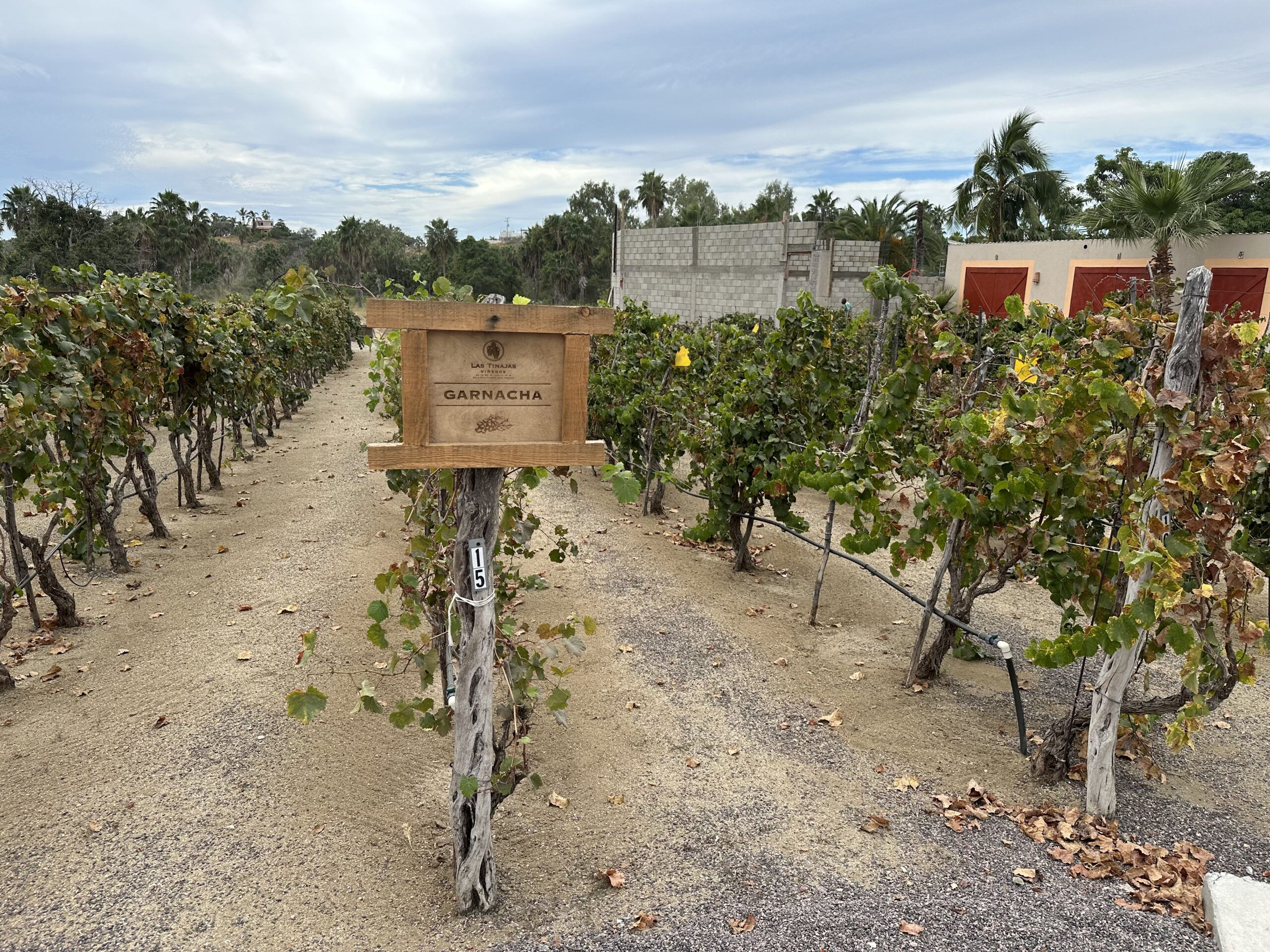
The Valle de Guadalupe is known as the main region for vineyards in Baja. However, La Tinajas Winery became the first in Baja California Sur by planting vines in 2017. Not knowing which varietals would grow the best in the area, they planted almost every varietal in the agricultural land in Pescadero – Chardonnay, Vermentino, Garnacha, Sauvignon Blanc, Tempranillo, Cabernet Sauvignon, Syrah, Nebbiolo. Gustavo Corral, the head manager of the winery described how only 20 percent of the first year’s crop was good. They learned what to plant and where to plant it for the best results. Vines were subsequently planted on the land where the winery is on the east side of Todos Santos near Docecuarenta. Vinedo Las Tinajas bottled its first wines in 2019, making it the first winery in Baja California Sur.
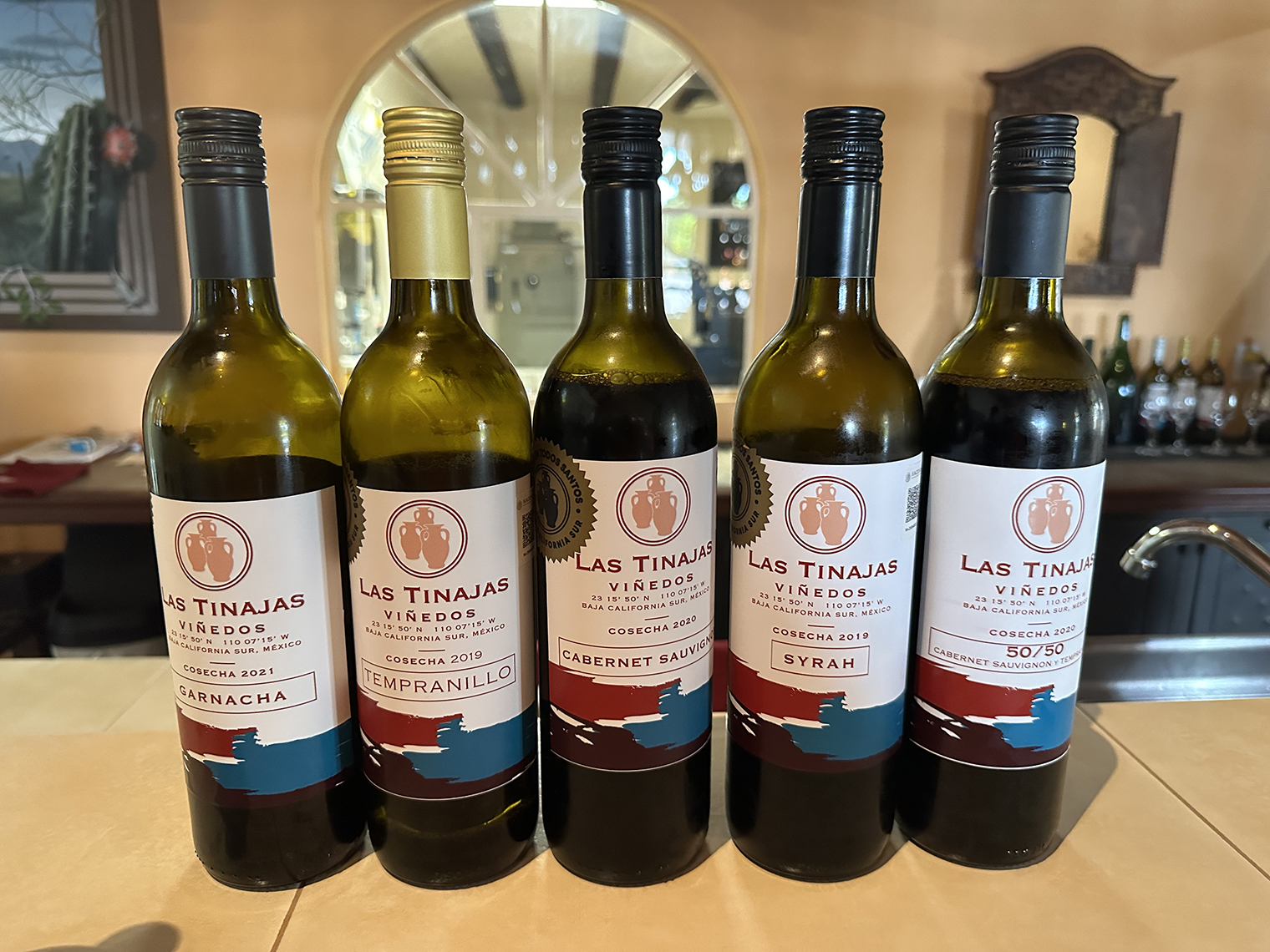
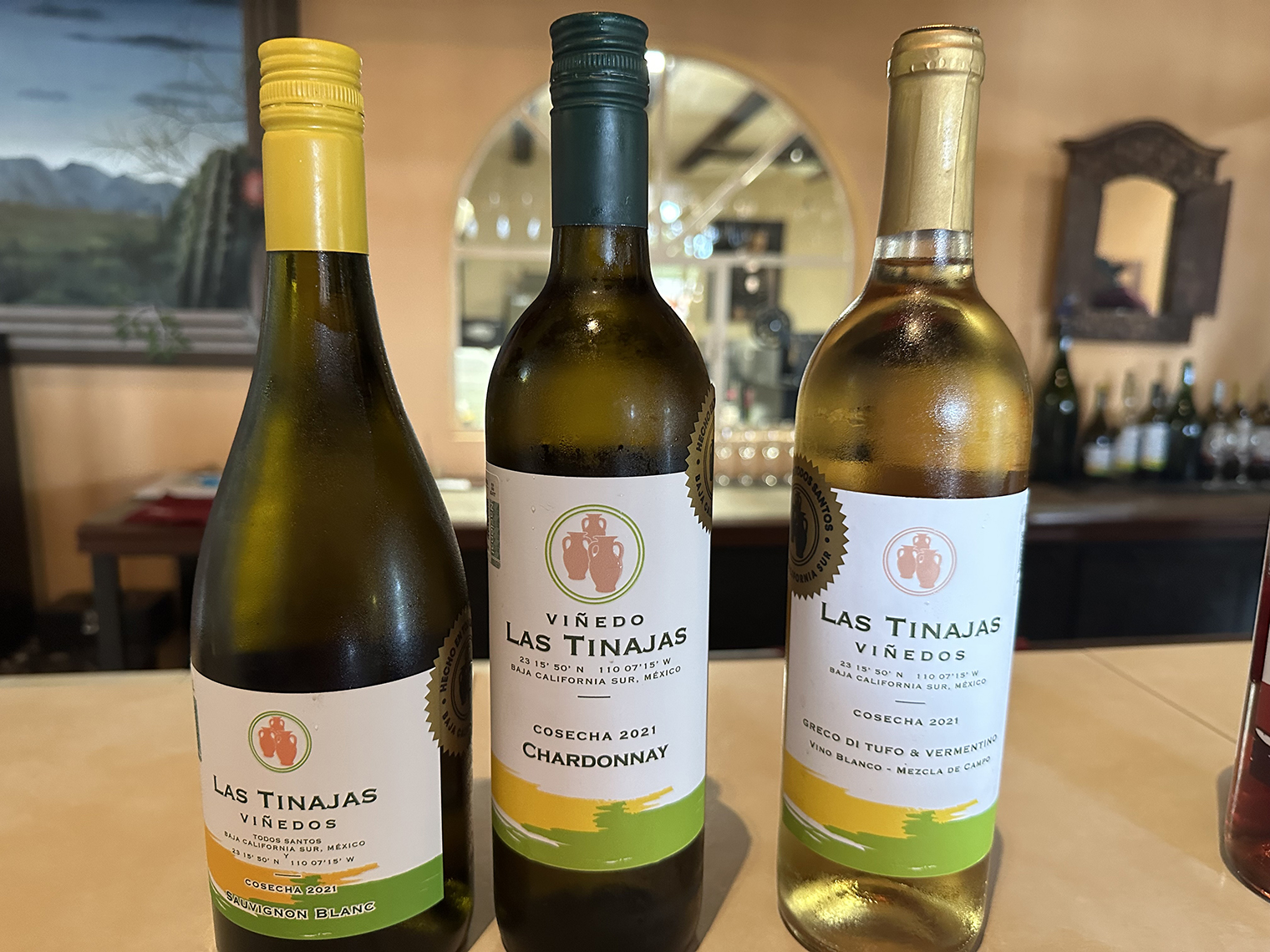
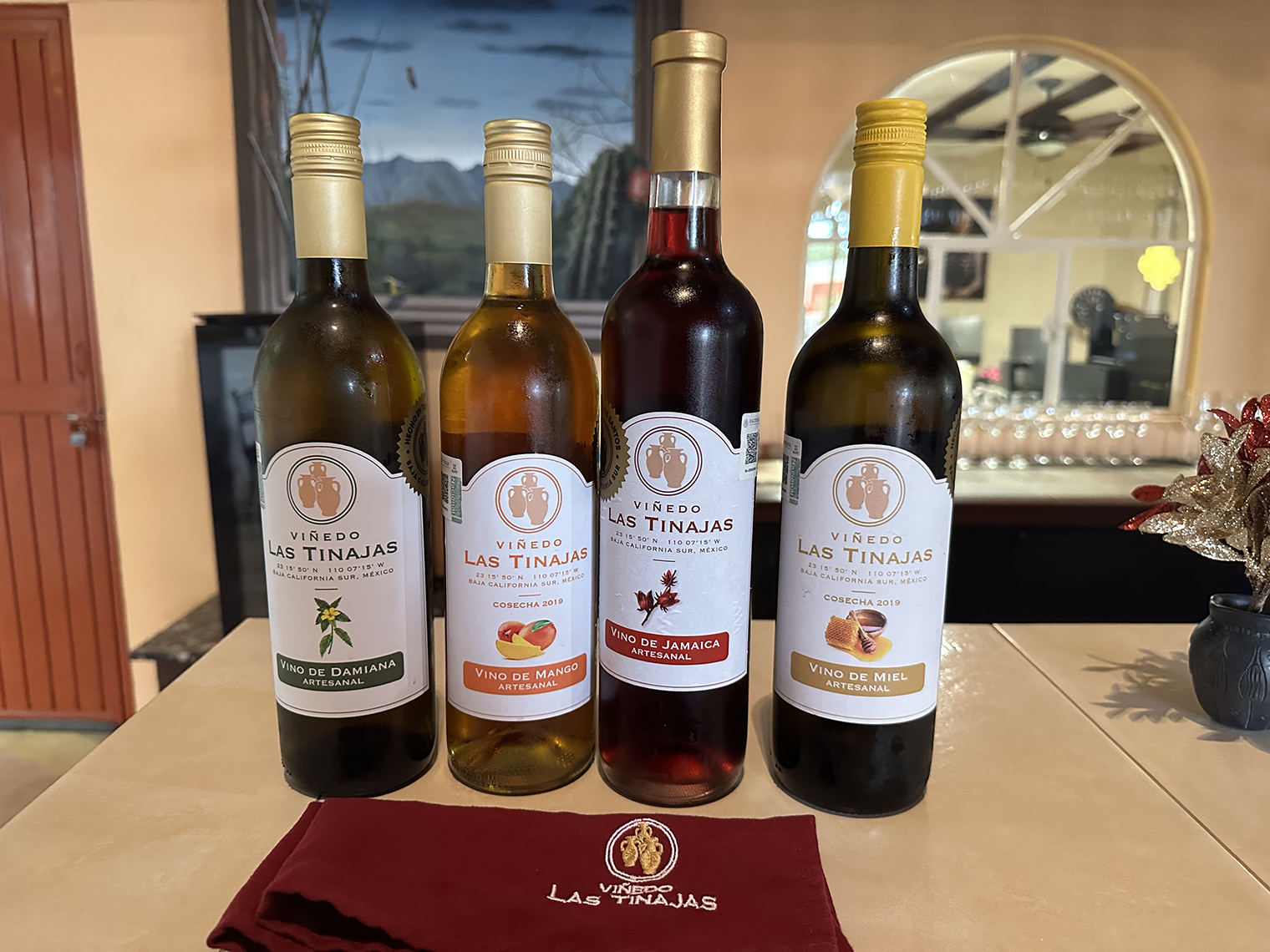
After tasting a number of the wines currently offered for sale – Chardonnay, Vermentino, Sauvignon Blanc, Rose, Tempranillo (you can tell that I am partial to whites) – Gustavo offered to give me a tour of the winery. We started by looking at all of the wines that they currently were bottling. The selection was much greater than I thought and included a 50/50 red blend of Cabernet Sauvignon and Tempranillo, a white blend of Greco di Tufa and Vermentino, and fruit wines made with Jamaica, Mango, Damiana and Honey. These were in addition to the single grape wines identified above.
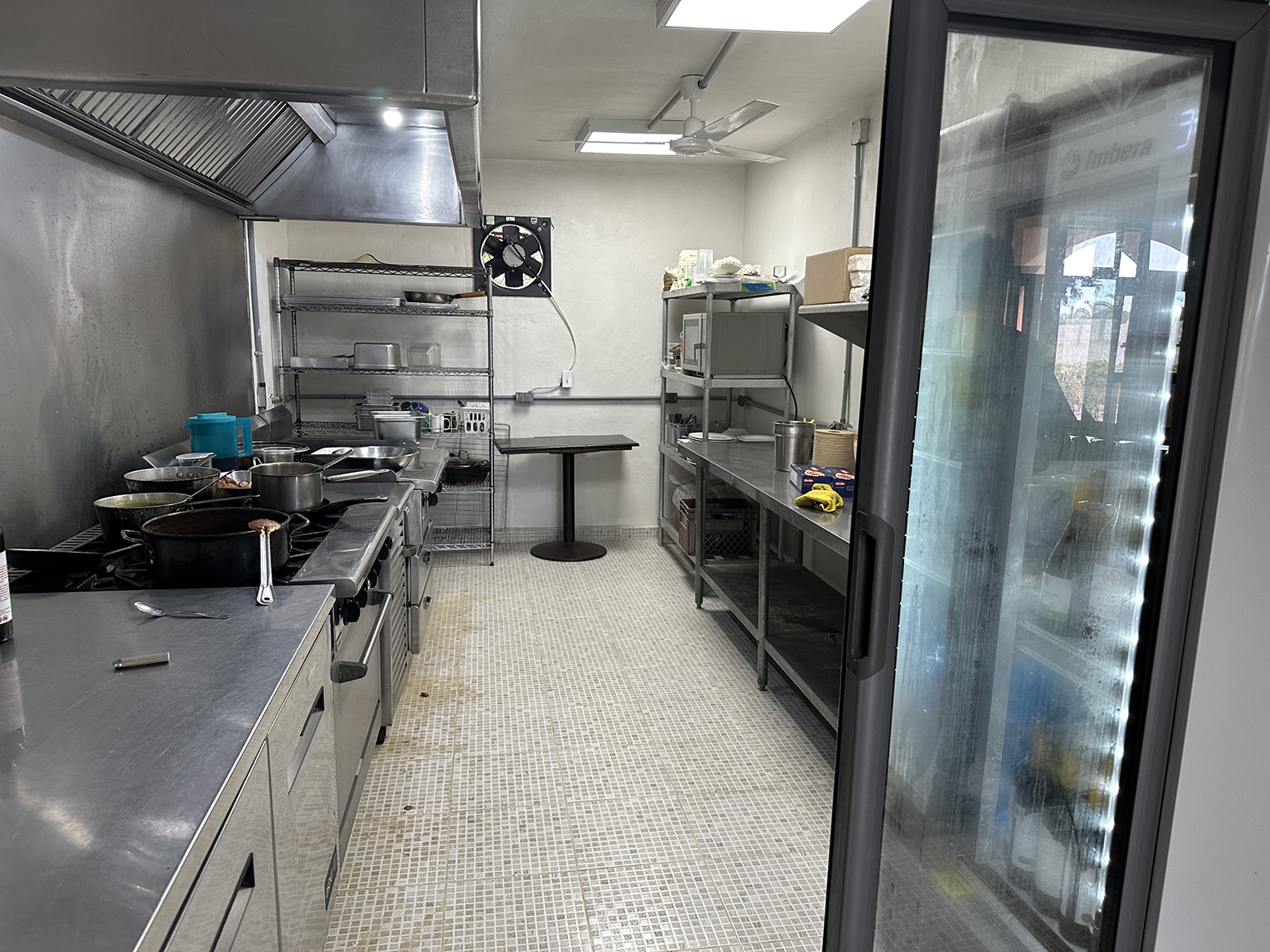
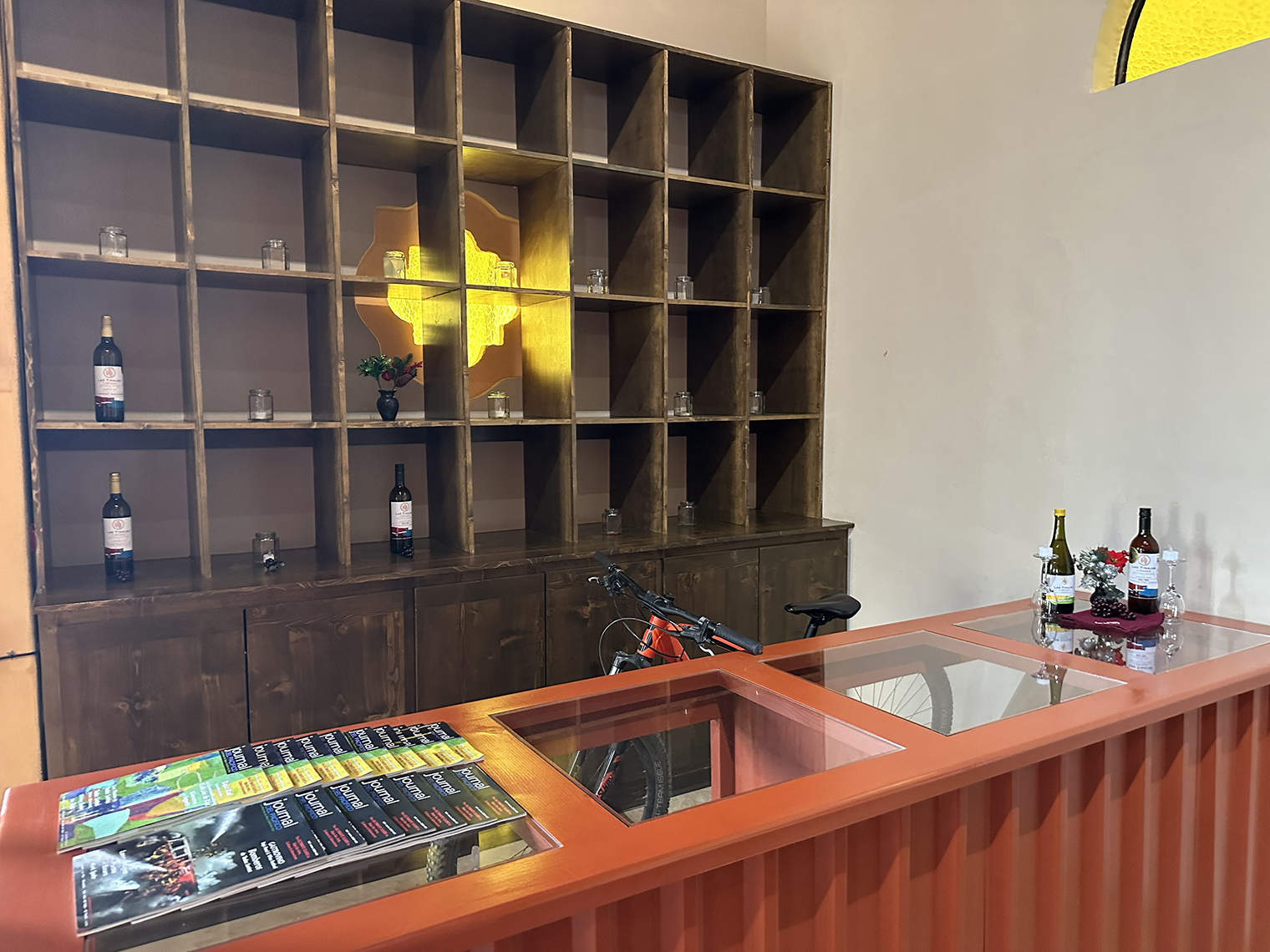
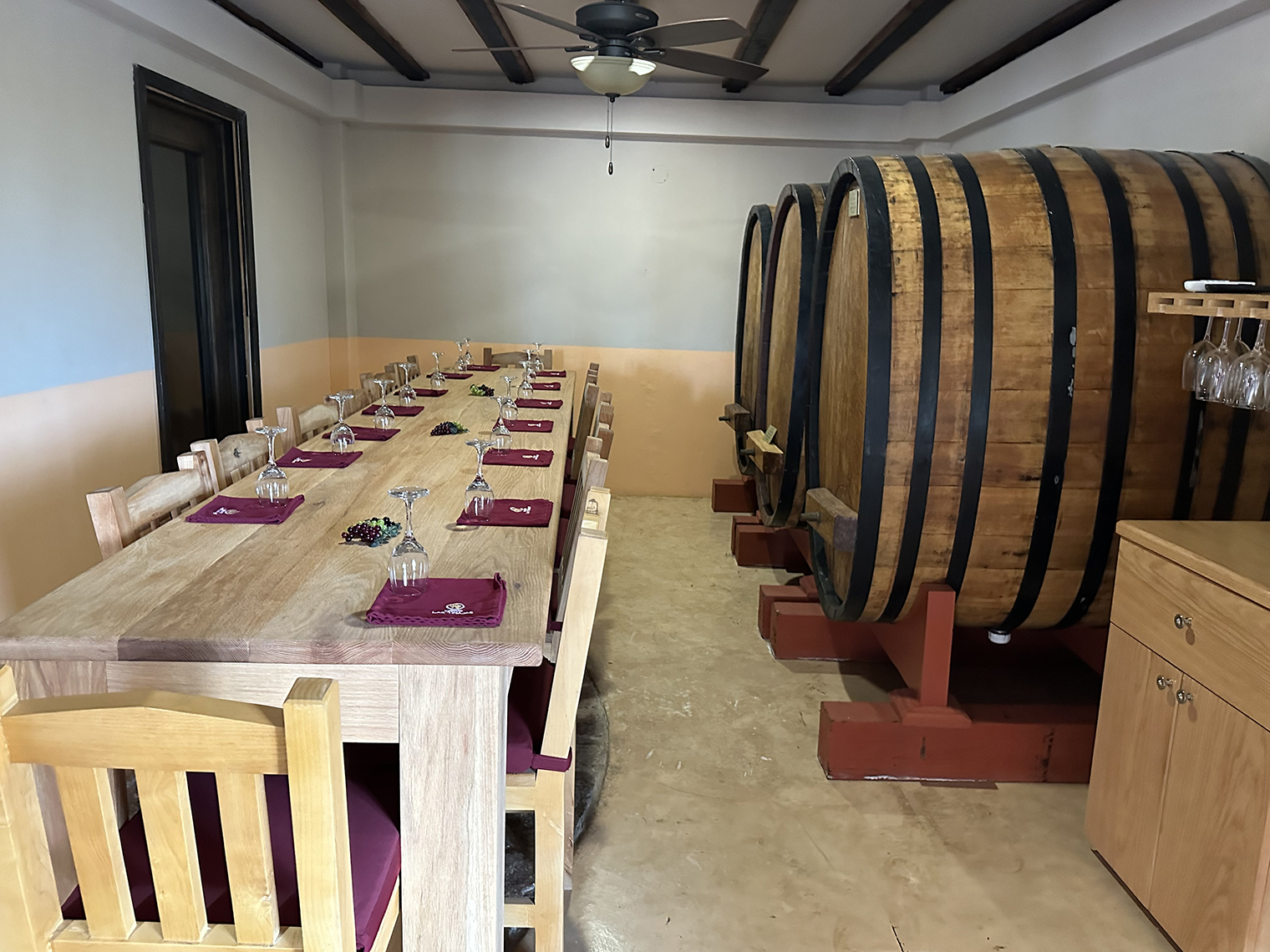
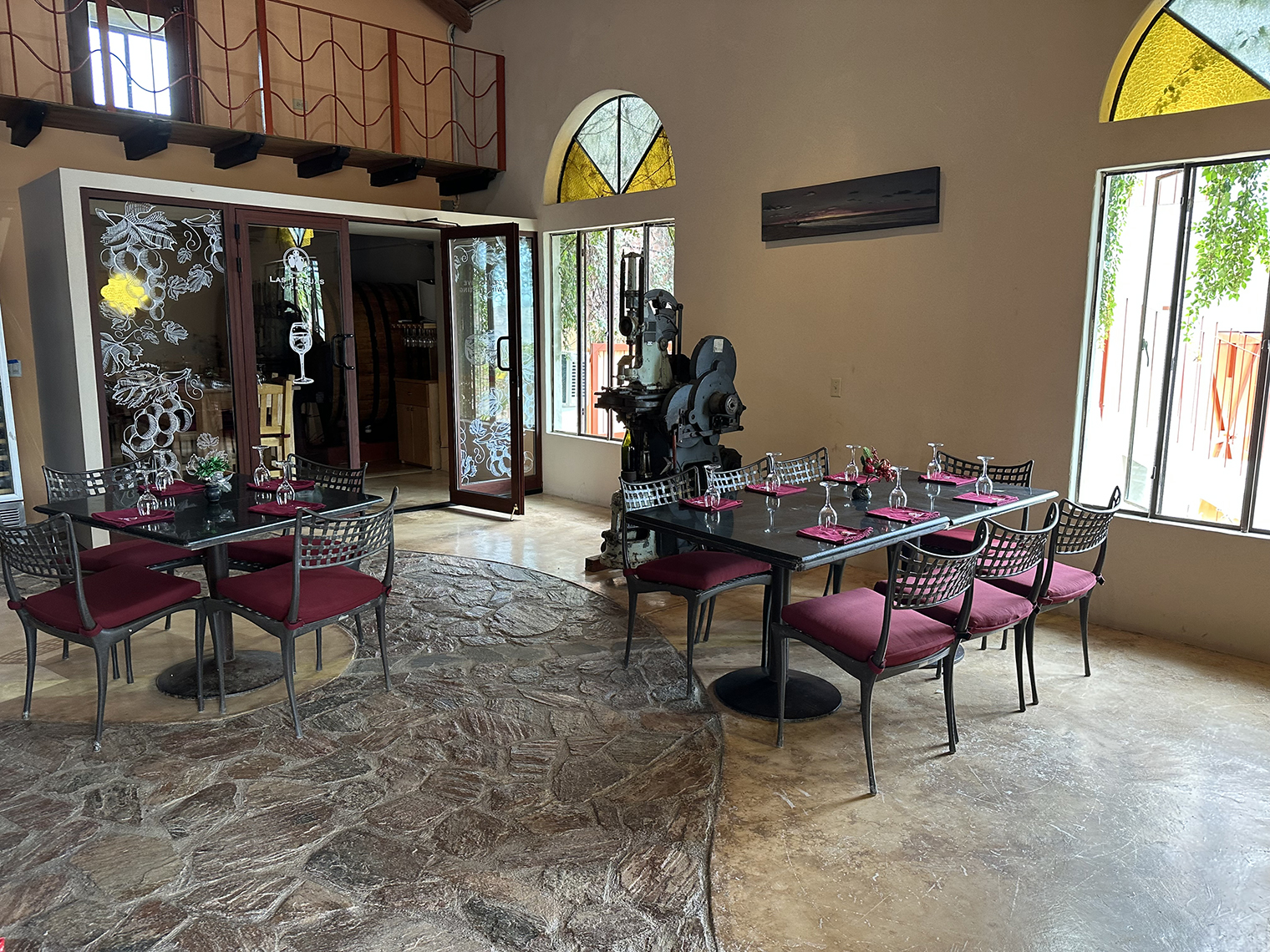
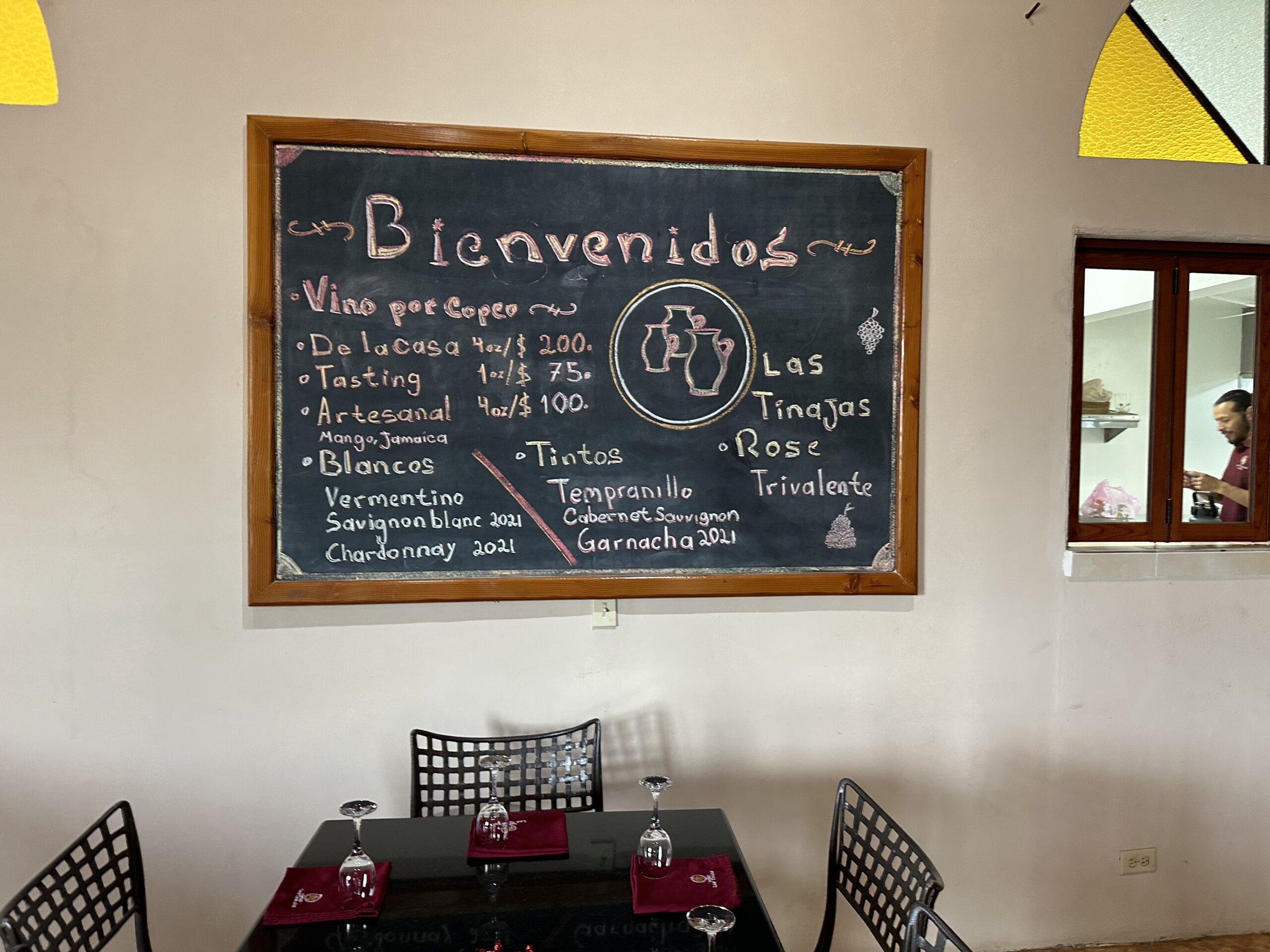
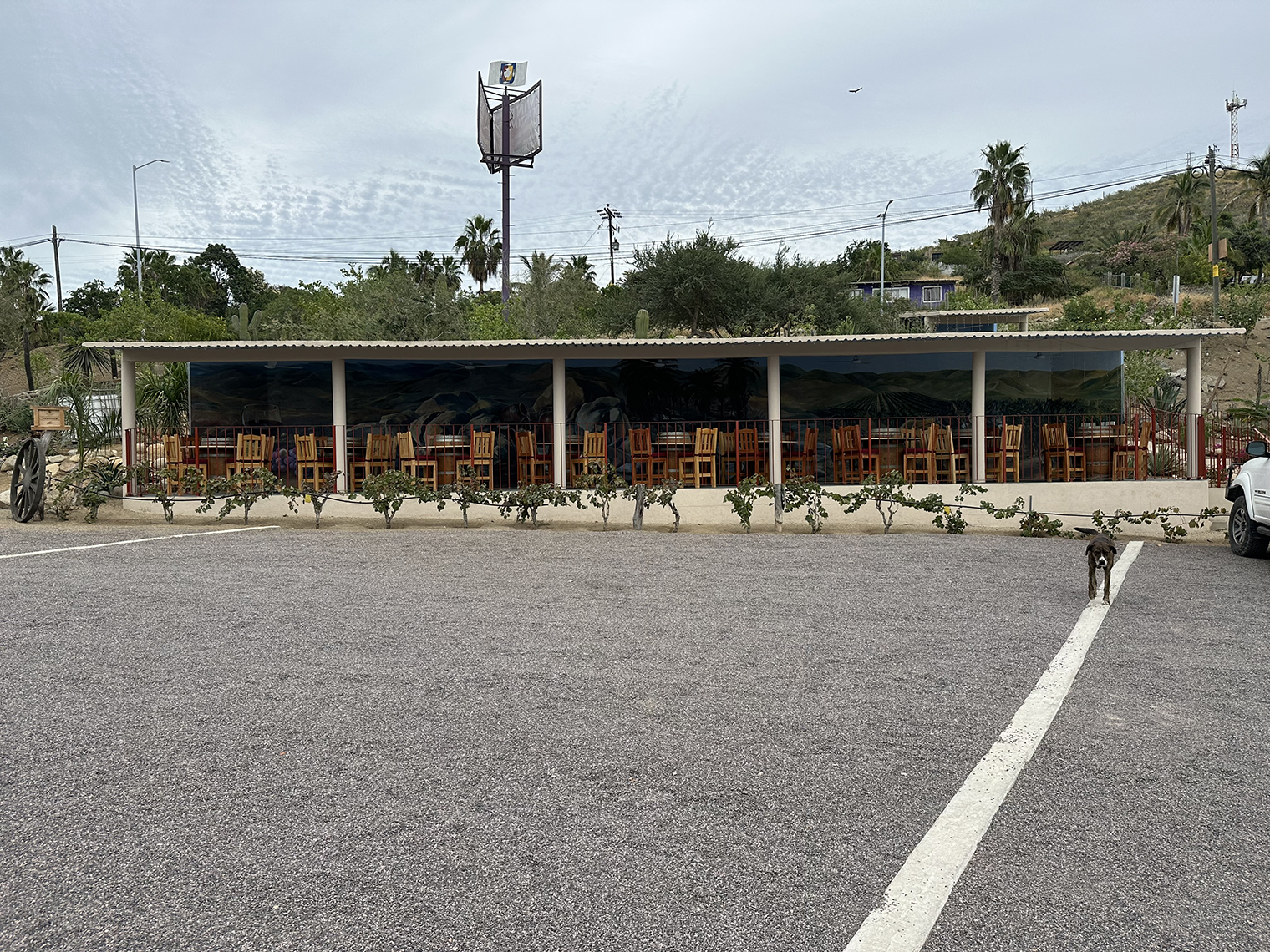
The winery is set up with a full industrial kitchen, outdoor and indoor seating areas and even a wine room that can be booked for private dinners. The bar in the main tasting area announces the wines available to taste and prices of one and four ounce pours of the wines and four ounce pours of the artisanal (fruit) wines.
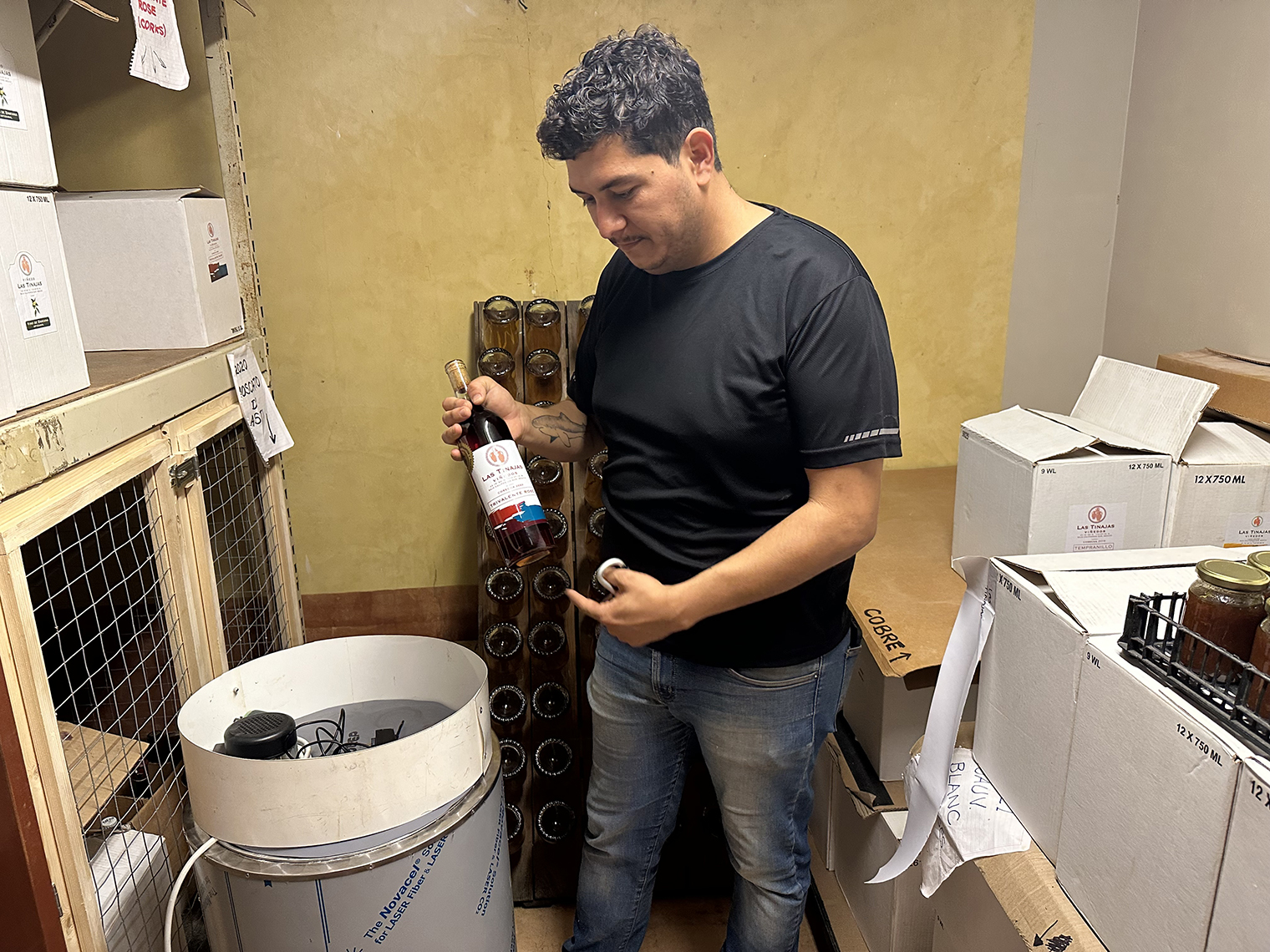
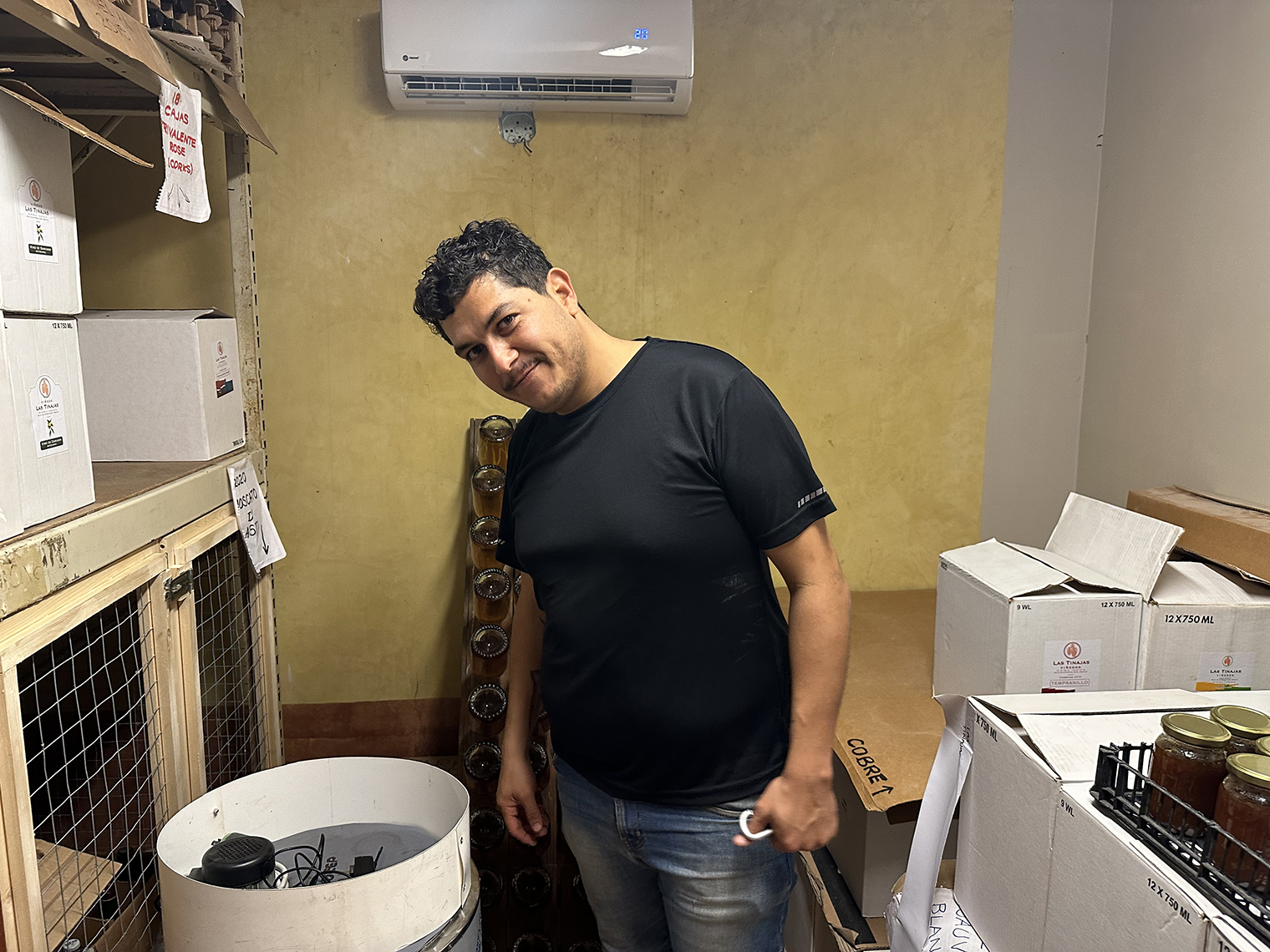
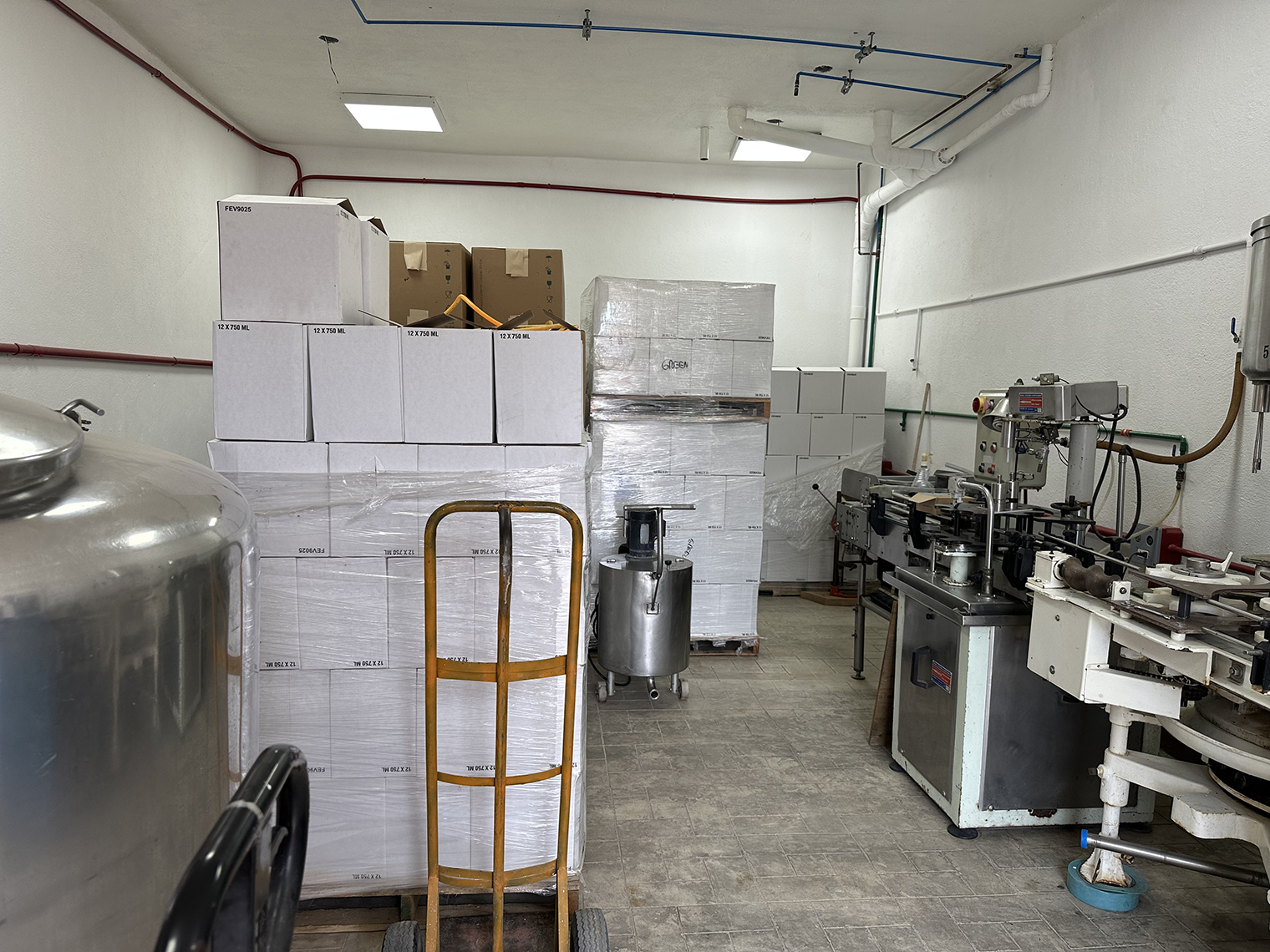
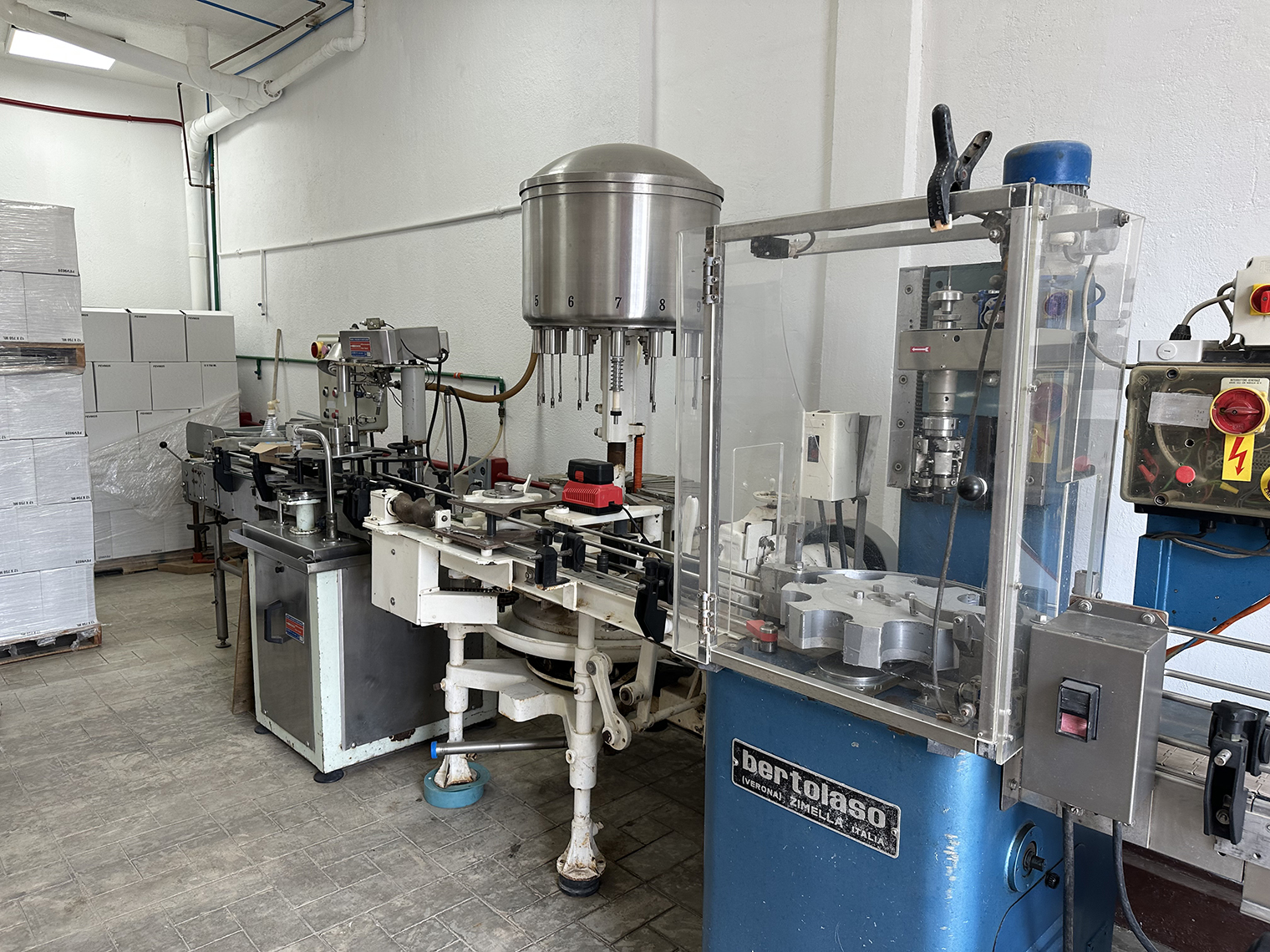
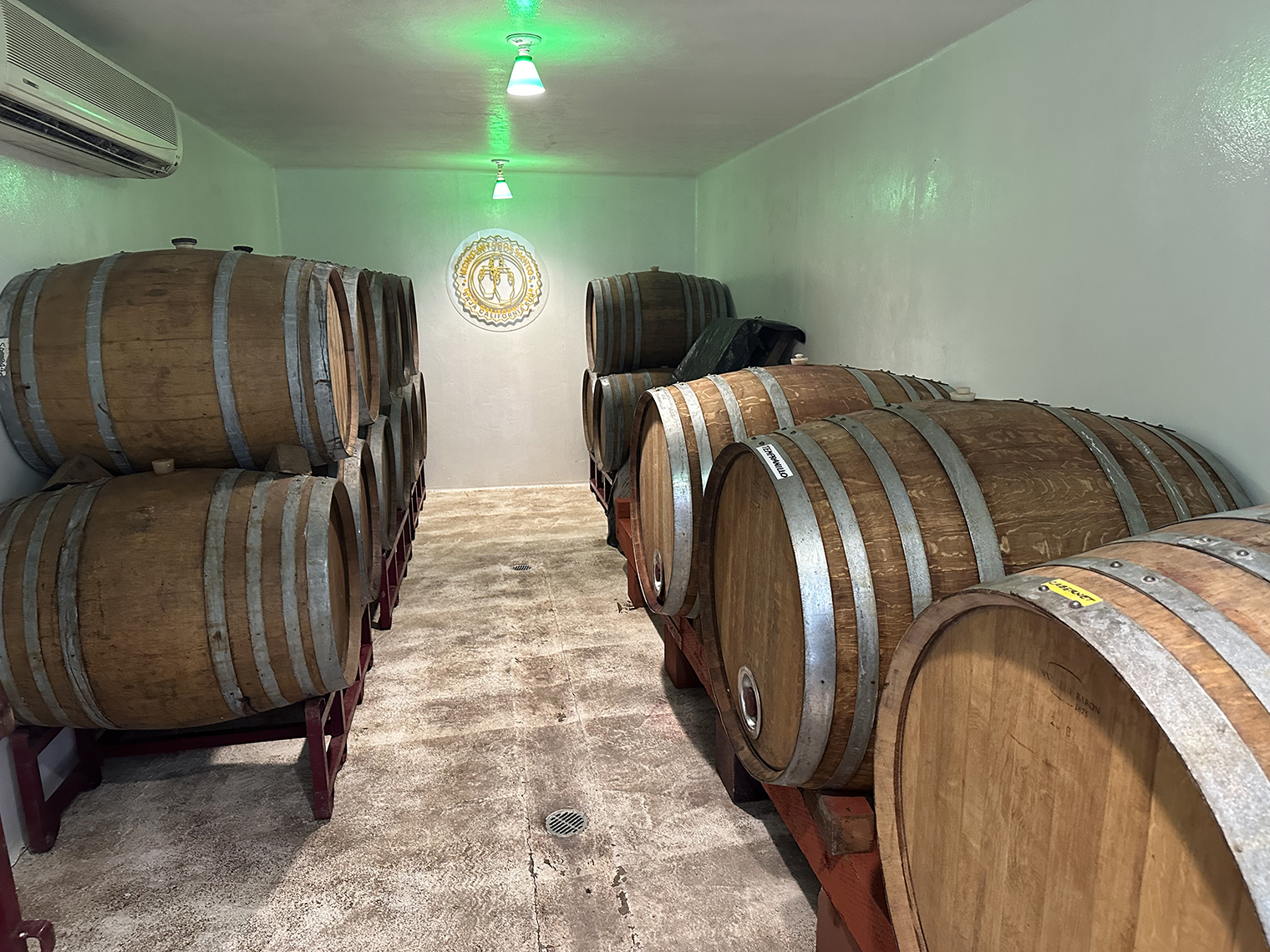
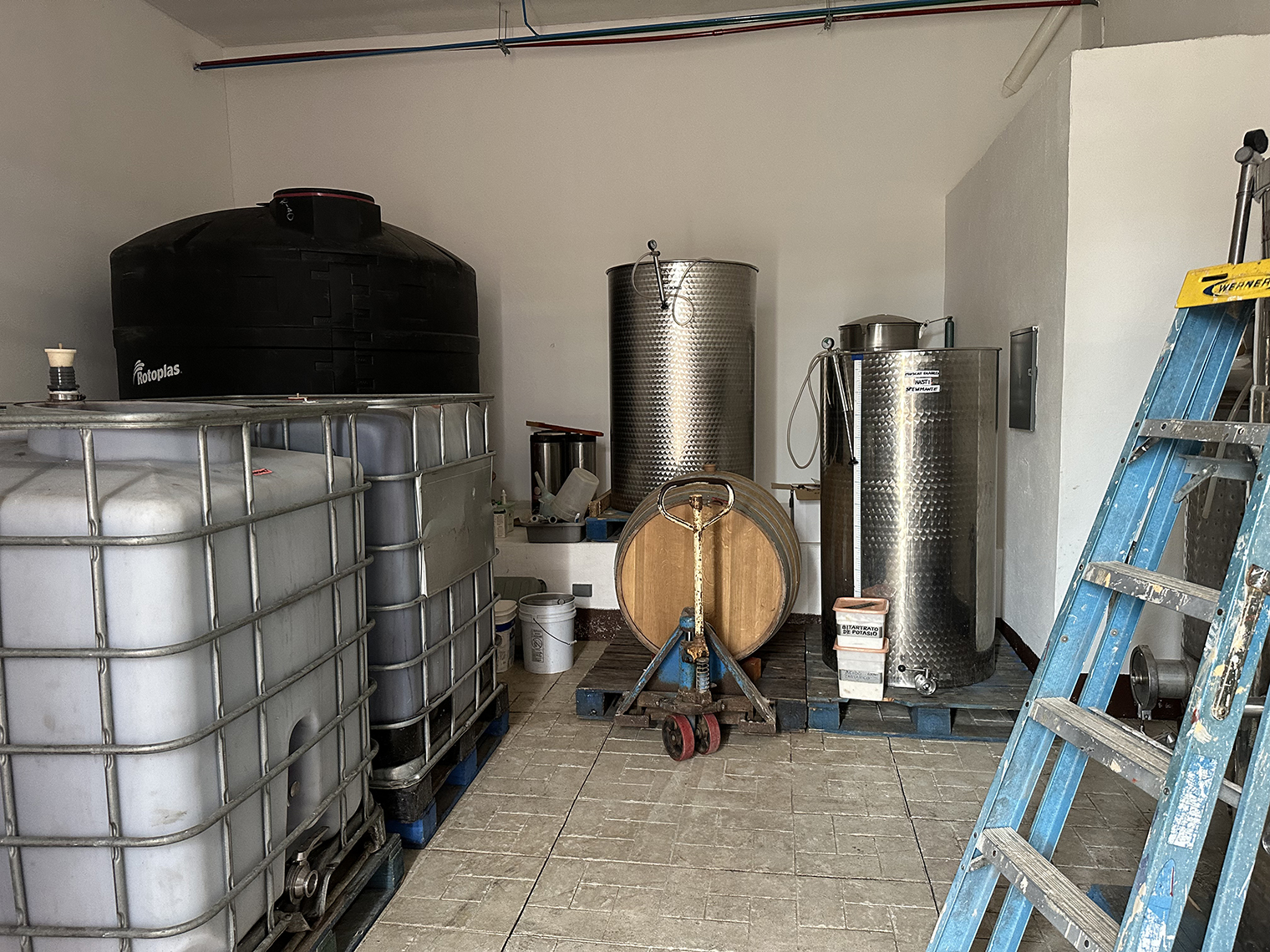
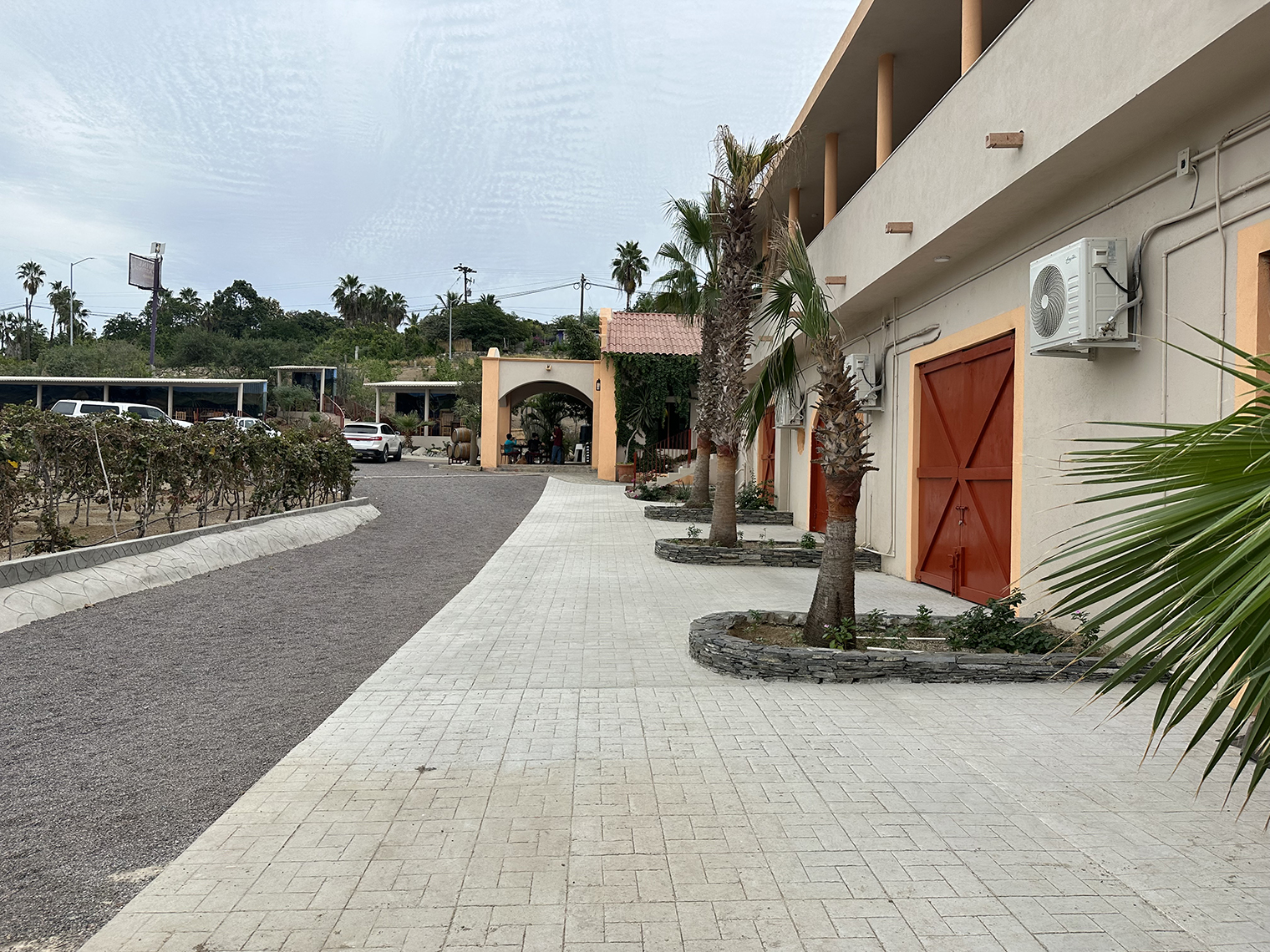
The winery building has a series of different garage doors that open into the rooms designed for the wine making process. The grapes are fermented in stainless steel vats and when ready transferred to oak barrels. Las Tinajas Winery has its own small bottling line with a semi-automated process to fill the bottles and a hand-operating corking machine. Once the wine is bottled, it is stored in another climate-controlled room.
I asked what the production level was for the different wines and Gustavo indicated that about 250 cases of each wine were produced. Currently, their main distribution is through the winery. The tasting room opened formally in September of 2023 and through the Wine Market in Cabo San Lucas.
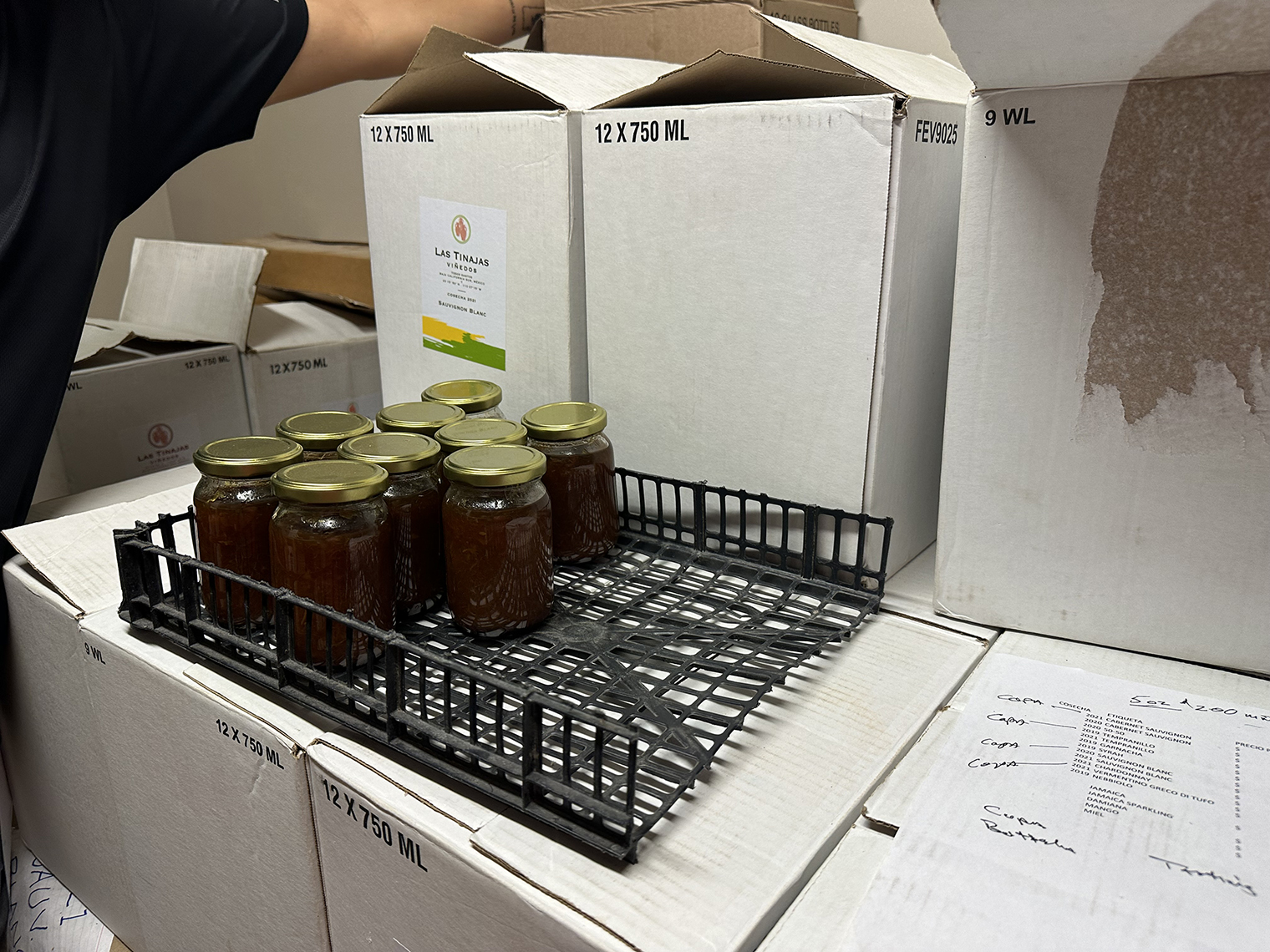
As part of the tour and visiting each of the rooms in the winery, I also discovered that they are making artisanal jams with different flavors and plan a full selection in the near future.
I must say that I was not expecting the quality of wines that I experienced in my brief tasting session with Gustavo. I ended up buying two bottles of Chardonnay, one of Rose and one of the Jamaica wine. I look forward to sharing them with my wife at a dinner in the near future.